Spain · Balearic Islands
Mallorca
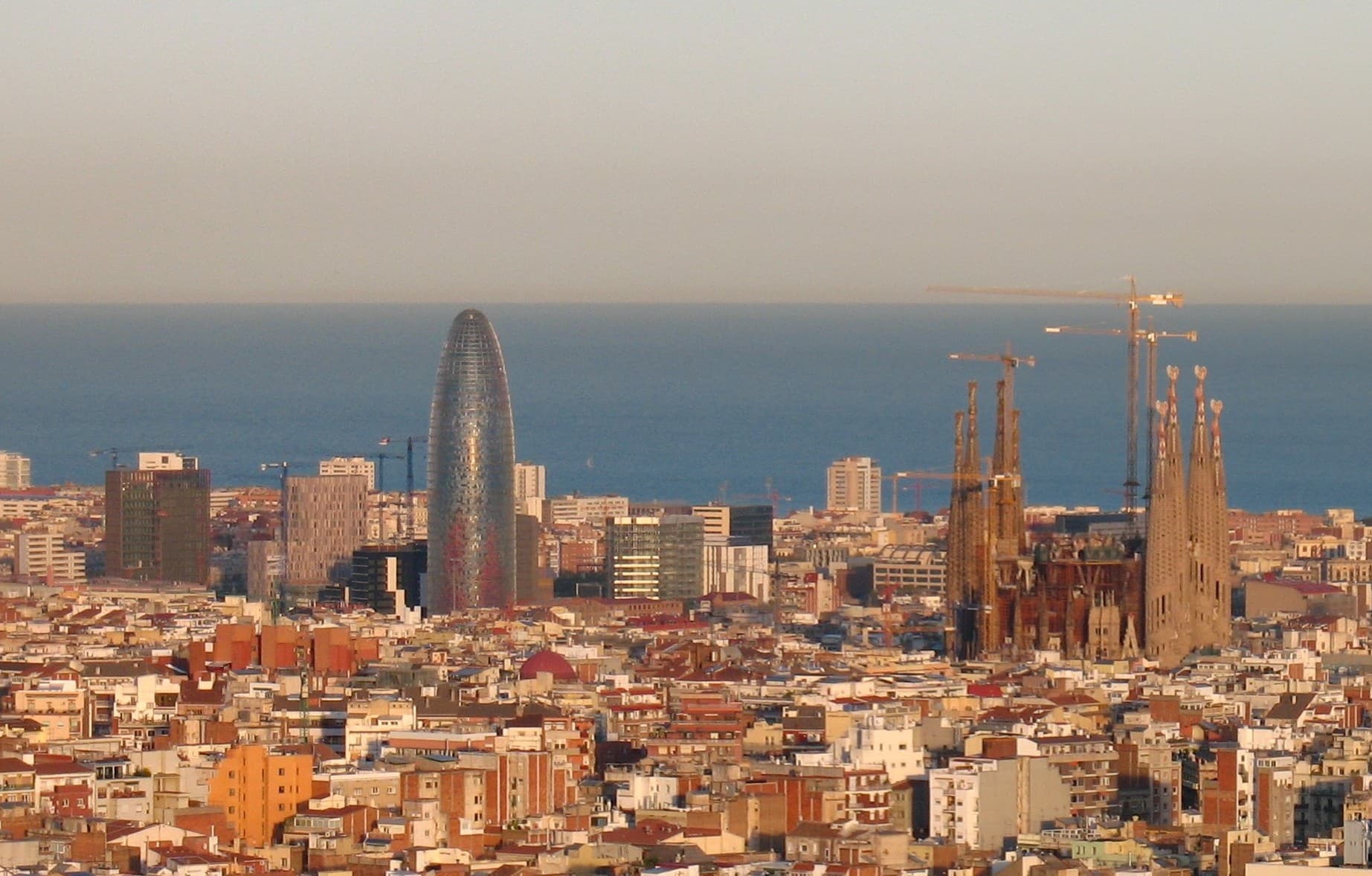
Split the trip in two: Palma for the cathedral, the old town and the food scene, then the Serra de Tramuntana and the north for Sóller, Deià, Valldemossa, Pollença and the Cap de Formentor. Add a day for the southeast calas (Caló des Moro, Cala Mondragó) if the season allows an early start.
 Nils H. / CC BY 2.0 via Wikimedia Commons
Overview
Mallorca is the largest of the Balearic Islands and far more layered than its package-holiday reputation suggests: a Gothic cathedral city, a UNESCO-listed mountain range of stone villages and terraced olive groves, a wild lighthouse peninsula, and dozens of small turquoise calas cut into pine-backed cliffs. It is also one of the easiest Mediterranean islands to reach, with one of Europe’s busiest holiday airports 15 minutes from the capital.
If you only take one thing from this guide: do not judge Mallorca by its party strips, and do not try to see it without leaving the resort. The island’s best days are a mountain village morning, a long lunch, and a small cove in the late afternoon. In July and August, do what the locals do: swim early, hide at midday, and let the shuttle bus handle Formentor.
Best for
Couples · First-time Balearics visitors · Hikers and cyclists · Beach and cala hoppers · Food travelers · Road trips
Daily itinerary
5 to 7 days
Few islands put this much variety this close together: you can walk Palma’s old town in the morning, ride a 1912 wooden train through the mountains after lunch, and swim in a cove that evening. The Serra de Tramuntana gives Mallorca a genuine mountain culture (Deià, Valldemossa, Sóller) that pure beach islands lack, while the south and east keep the long sands and hidden calas.
Best time to visit
May, June, September and early October are the sweet spots: warm enough to swim from late May, cooler than the July and August peak, and with the Tramuntana comfortable for walking. September usually has the warmest sea of the year.
- February: Almond blossom whitens the plain; quiet roads and cool, clear hiking days in the Tramuntana.
- April to May: Prime walking and cycling season; villages in flower; the sea is still cool for most swimmers.
- June: Swimming season proper begins, days are long and the big crowds have not yet arrived.
- July to August: Peak heat and crowds; Formentor access is restricted by day and the famous calas need an early start.
- September: Warmest sea of the year and thinning crowds. Often the single best month.
- October: Mild and quieter; beach services wind down through the month and hiking takes over.
Things worth knowing
- Festes de Sant Sebastià, Palma (mid-January): bonfires, grilling in the squares and free concerts for the city’s patron saint.
- Es Firó, Sóller (second Monday in May): the town re-enacts the 1561 battle between townsfolk and corsairs, Moors-and-Christians style.
- La Patrona, Pollença (late July to 2 August): a week of festivities ending in the town’s own Moors-and-Christians mock battle.
- Nit de l’Art, Palma (a Saturday in late September): galleries and museums across the old town open late for the season’s biggest art night.
Where to stay
 Martin Furtschegger · CC BY 3.0 via Wikimedia Commons
Palma
The Balearic capital and one of the Mediterranean’s most underrated cities: the sandstone cathedral above the bay, a maze of patio-palace lanes, serious restaurants, and the Santa Catalina and La Lonja quarters for evenings. A real city that happens to have a beach.
Best for: First-time visitors · Food · Architecture · City-and-sea weekends
Old-town streets are restricted for non-resident cars (ACIRE zones); skip the car entirely while based here.
 Alexandru MnM · Pexels
Sóller and Port de Sóller
A golden-stone market town in a citrus-growing valley ringed by the Tramuntana’s highest peaks, linked to Palma by the 1912 wooden train and to its bay by a vintage tram. The port curls around a sheltered horseshoe bay with a promenade and two lighthouses.
Best for: Couples · Hikers · A car-light mountain base · Classic train and tram rides
The valley funnels day-trippers off the train from late morning; stay overnight to get the quiet hours.
 Guerrero De la Luz · Pexels
Deià and Valldemossa
The Tramuntana’s poster villages: Deià, a hillside knot of ochre houses above a pebble cove that drew Robert Graves and generations of artists, and Valldemossa, a monastery town of cobbled lanes where Chopin wintered in 1838. Slow, scenic and best after the day-trip buses leave.
Best for: Couples · Art and literary history · Scenery · Slow mornings
Parking is scarce and paid; both villages are steep and cobbled, and nightlife is a handful of restaurants.
 Malopez 21 · CC BY-SA 4.0 via Wikimedia Commons
Pollença and Port de Pollença
The island’s northern corner: Pollença, a handsome inland town with a 365-step Calvari staircase and a Sunday market, and its relaxed bayside port with a pine-shaded promenade. The natural base for the Cap de Formentor and the quieter northern beaches.
Best for: Families · Couples · Formentor access · A quieter beach base
Two separate places 6 km apart: the town has the character, the port has the beach. You will want wheels or the local bus between them.
 Bengt Nyman · CC BY 3.0 via Wikimedia Commons
Alcúdia and the north beaches
A walled medieval old town built over the Roman city of Pollentia, with the long, shallow, family-friendly sands of the Badia d’Alcúdia beginning just beyond the walls. More resort infrastructure than Pollença, but the old town keeps real character.
Best for: Families · Long sandy beaches · Roman and medieval history
The beach strip south of the old town is built-up package territory; stay near the walls for character.
 Guerrero De la Luz · Pexels
Santanyí and the southeast calas
The island’s cala country: honey-stone Santanyí with its Wednesday and Saturday markets, and a coastline of small turquoise coves (Caló des Moro, Cala Llombards, the protected Cala Mondragó) strung between low pine cliffs.
Best for: Cove hopping · Snorkeling · Market mornings · Couples
A car is essential and the famous calas overflow in summer; arrive before 10:00 or come in shoulder season.
Where to sleep
La Residencia, A Belmond Hotel
luxury · Deià
Best for: A special occasion · Art lovers · Tramuntana scenery
- Two historic manor houses in olive and citrus gardens on the edge of Deià
- A serious art collection and resident-artist tradition
- Award-winning spa with views up to the Teix ridge
- Among the most expensive stays on the island
- Deià’s cove is a steep walk or short drive away
- The village empties of evening options outside high season
Four Seasons Resort Mallorca at Formentor
resort · Formentor peninsula
Best for: A landmark stay · Seclusion · Beach and pine forest
- The storied 1929 Hotel Formentor, reopened in August 2024 after a full restoration
- 110 rooms and suites, all with balconies over sea or forest
- Directly on Formentor beach, backed by a protected pine peninsula
- Remote: a winding 20-minute drive from Port de Pollença
- Peninsula road runs under summer daytime traffic restrictions (guest access is managed, but plan arrivals)
- Rates are in the top tier of the island
Cap Rocat
unique · Cala Blava, Bay of Palma
Best for: Couples · Privacy · Architecture
- A 19th-century military fortress converted into a hotel, carved into the cliffs of the Bay of Palma
- Sentinel rooms with private plunge pools in the old gun emplacements
- A protected saltwater sea pool in place of a beach
- Isolated: a car or transfers needed for everything
- No sandy beach on site
- Minimum stays common in high season
Hospes Maricel & Spa
boutique · Cas Català (Calvià), west of Palma
Best for: Couples · Sea-edge breakfasts · A base near Palma without the city
- A 1940s seafront palace directly on the water, 15 minutes from Palma’s old town
- Breakfast terrace at the sea’s edge, one of the island’s best-known
- Spa carved into the rock at sea level
- On the busy coast road; ask for a sea-facing room
- No sandy beach on site (bathing platforms and nearby coves instead)
- Not walkable to Palma’s old town
Hotel Born
value · Palma (old town)
Best for: Old-town location on a budget · First-time Palma visitors · No car
- A 16th-century palace of the Marquès de Ferrandell steps from Passeig del Born
- Breakfast in a palm-shaded interior courtyard
- Rare midrange pricing for this location
- No pool or spa
- Rooms are simple compared with the grand courtyard
- Books out early for peak months
Essential experiences
 Margo Evardson · Pexels
Serra de Tramuntana (UNESCO)
The mountain spine of the island’s northwest, a UNESCO World Heritage cultural landscape since 2011: dry-stone terraces, ancient water channels, olive groves and the villages of Valldemossa, Deià, Sóller and Fornalutx strung along the Ma-10 road.
 Wolfgang Weiser · Pexels
Palma Cathedral (La Seu)
The sandstone Gothic cathedral above Palma’s bay, begun in the 13th century, with one of Europe’s largest rose windows, an interior reworked by Gaudí and a ceramic chapel by Miquel Barceló. Entry around 10 to 14 EUR depending on how you book; closed to visits on Sundays.
 Taxiarchos228 · FAL via Wikimedia Commons
Cap de Formentor and its lighthouse
The wild northern tip of the island: a 13 km peninsula road of cliffs, coves and the Es Colomer viewpoint, ending at the 1863 lighthouse. From 15 May to 18 October 2026 the road is restricted for private cars from 10:00 to 22:00: the stretch to Formentor beach admits only as many cars as the beach car park holds, and the stretch beyond the beach to the lighthouse is closed to private cars entirely. Ride the TIB 334 shuttle, cycle, or come early.
 T.M.L.-KuTV (Transfered by T.M.L.-KuTV/Original uploaded by T.M.L.-KuTV) · CC BY-SA 3.0 via Wikimedia Commons
Sa Calobra and the Torrent de Pareis
A tiny cove at the mouth of a 200-meter-deep limestone gorge, reached by one of Europe’s most famous hairpin roads (the Nus de sa Corbata loop) or by boat from Port de Sóller. The pebble beach sits where the canyon meets the sea.
 Abrget47j · CC BY-SA 3.0 via Wikimedia Commons
Real Cartuja de Valldemossa
The hilltop Carthusian monastery where Chopin and George Sand spent the winter of 1838 to 1839, an episode Sand recorded in A Winter in Majorca. Monastic cells, the old pharmacy and Chopin memorabilia, in the island’s most visited village.
 Taxiarchos228 · FAL via Wikimedia Commons
Castell de Bellver
A rare circular Gothic castle from the early 14th century in pine woods above Palma’s bay, built for King Jaume II of Mallorca; today it houses the city history museum and one of the best panoramas over Palma.
 ILA-boy · Public domain via Wikimedia Commons
Coves del Drac
The island’s most famous cave system, at Porto Cristo on the east coast: a walk through floodlit chambers to Lake Martel, one of the world’s largest underground lakes, where visits end with a short classical concert played from boats. Adult entry 19.50 EUR at the box office, 18.50 EUR online.
 Olaf Tausch · CC BY-SA 3.0 via Wikimedia Commons
Alcúdia old town and Roman Pollentia
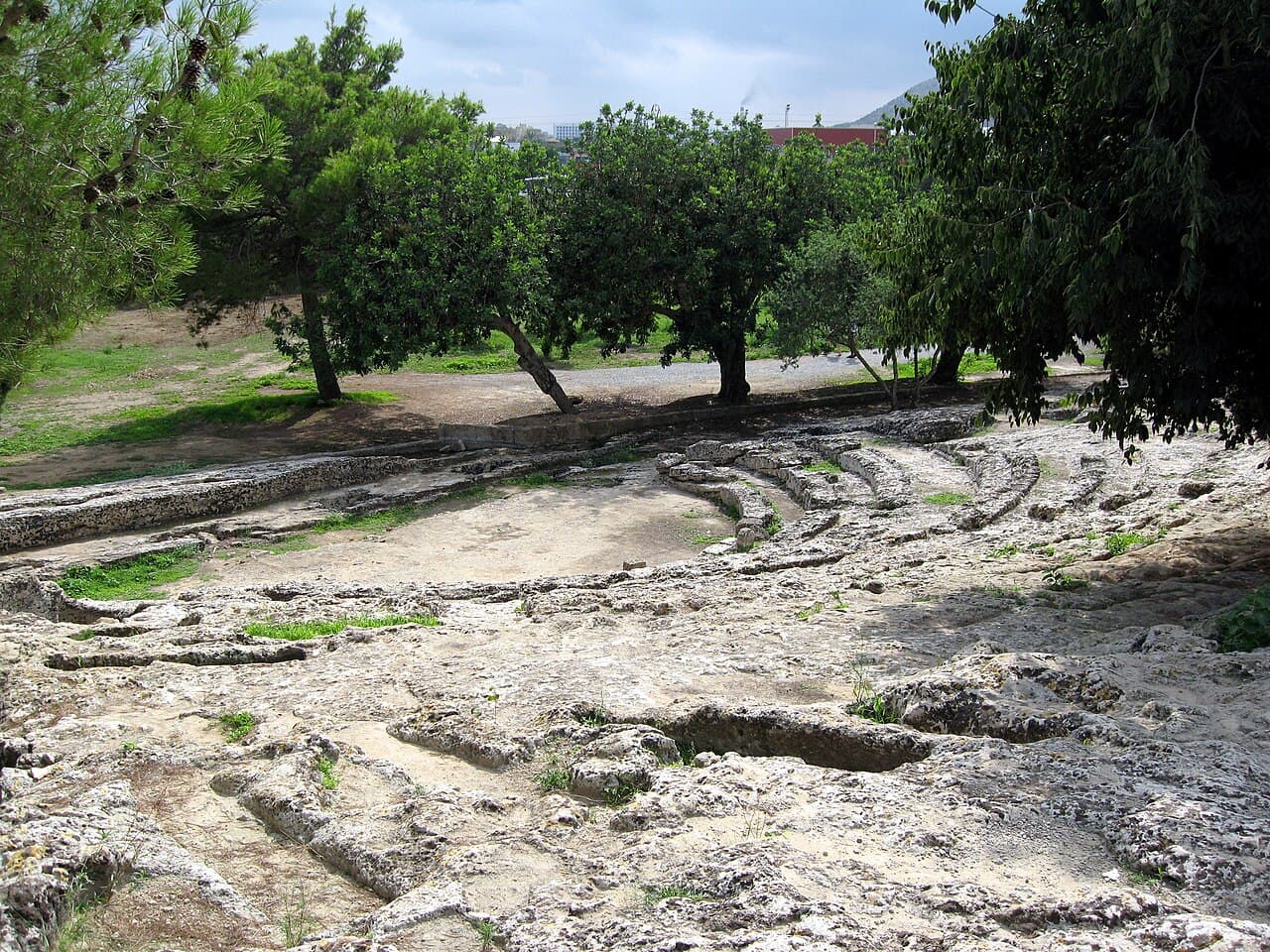
A compact walled town of golden lanes rebuilt in the 14th century, standing beside the excavated Roman city of Pollentia (forum, houses and a small theatre) founded in 123 BC after the Roman conquest of the island.
 No machine-readable author provided. Str / CC BY-SA 3.0 via Wikimedia Commons
 User:Nikater / CC BY-SA 3.0 via Wikimedia Commons
Food & drink
 Slastic · Public domain via Wikimedia Commons
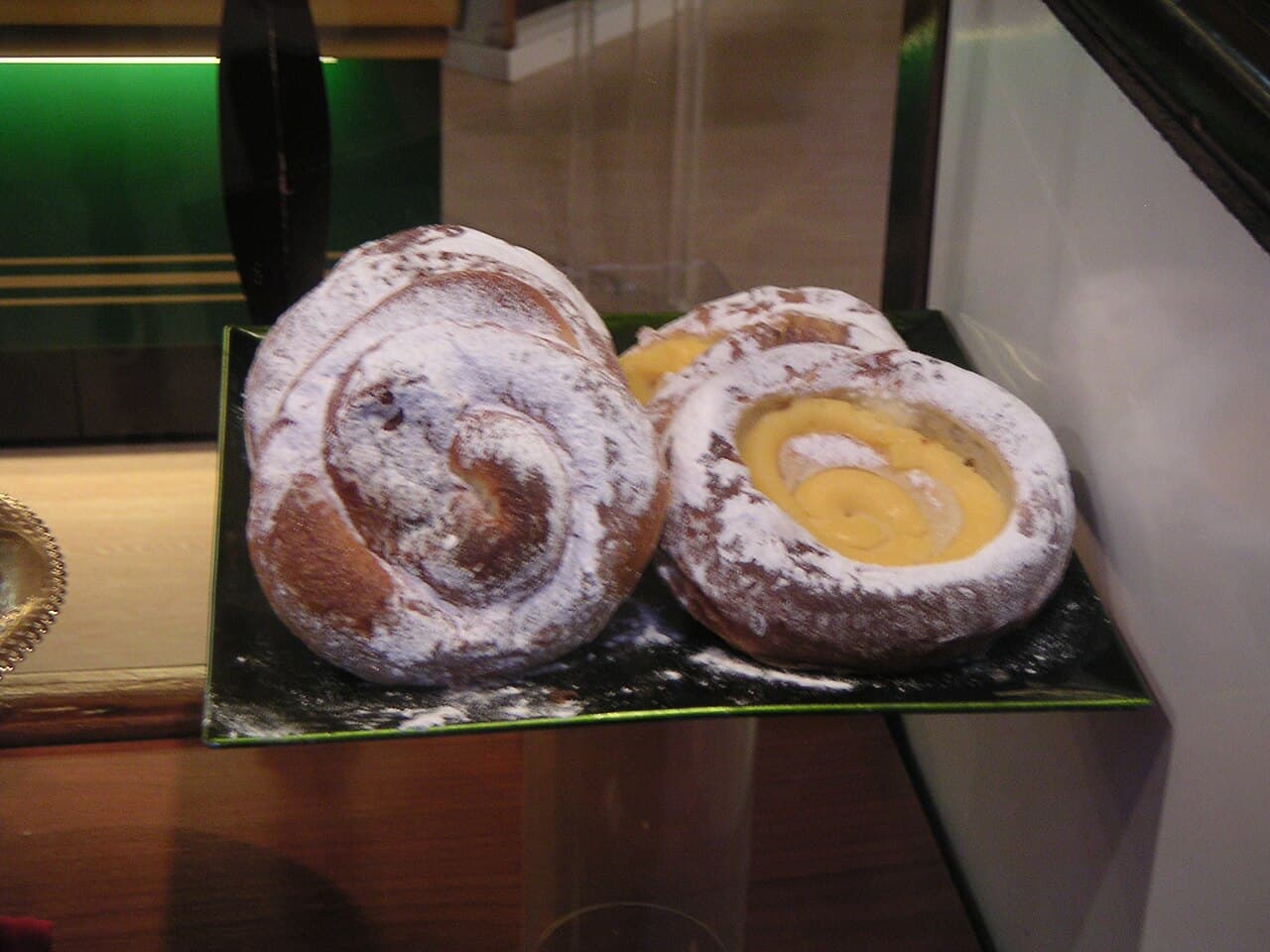
Ensaïmada
The island’s spiral pastry of feather-light, lard-enriched dough, dusted with icing sugar or filled with cabello de ángel pumpkin jam; a protected Mallorcan specialty and the standard airport carry-on.
 Mutari · Public domain via Wikimedia Commons
Pa amb oli
Country bread rubbed with ramallet tomatoes and olive oil, topped with cheese, cured ham or sobrassada; the island’s definitive simple supper.
 Francesc Fort · CC BY-SA 4.0 via Wikimedia Commons
Sobrassada
A soft, spreadable cured pork sausage with paprika, protected by its own IGP label; eaten on bread, fried with honey, or worked into countless local dishes.
 Rashed Paykary · Pexels
Tumbet
Layered fried potato, eggplant and red pepper under tomato sauce; Mallorca’s answer to ratatouille and a reliable vegetarian order.
 EnGuillem · CC BY 2.0 via Wikimedia Commons
Frit mallorquí
A festival-day fry-up of meat or fish with potatoes, peppers and fennel, from the island’s waste-nothing farmhouse kitchen.
 Xavier Caballe · CC BY-SA 2.0 via Wikimedia Commons
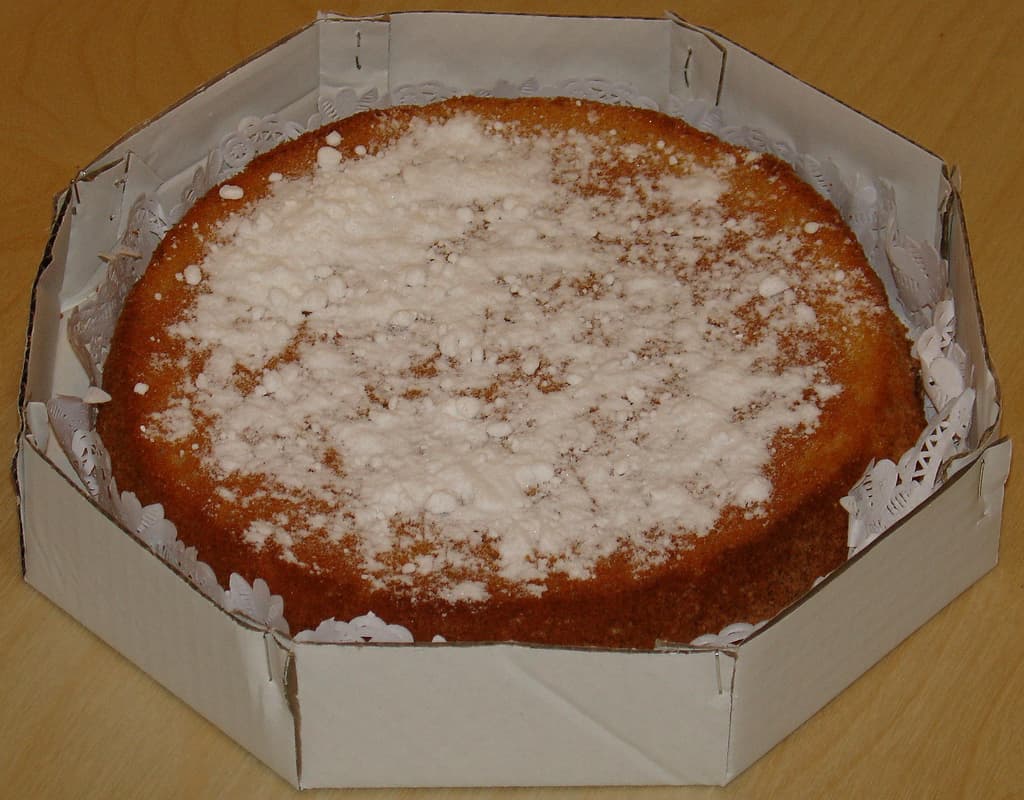
Gató d’ametla
A flourless almond cake, served warm with almond ice cream; the almond groves that blossom each February end up here.
 Crguti03 · CC BY-SA 4.0 via Wikimedia Commons
Coca de trampó
A thin, crisp flatbread topped with the summer trampó salad of tomato, green pepper and onion; bakery counters sell it by the slice.
Lunch around 14:00 and dinner rarely before 21:00 in summer; the weekday menú del día is the best-value way to eat well, and a pre-lunch vermut with olives is a Palma ritual.
Where to eat
 Joan Gené · CC BY-SA 4.0 via Wikimedia Commons
Can Joan de s’Aigo
institutionPalma’s oldest café, in business since 1700 and famous for its thick hot chocolate; the classic order is an ensaïmada with almond ice cream in the chandeliered back room.
Last researched 2026-07-31
 Wikimedia Commons · CC BY-SA 3.0 via Wikimedia Commons
Mercat de l’Olivar
marketPalma’s main covered market: produce, cheese and charcuterie stalls alongside fish bars where the morning’s catch goes straight onto your plate. Mornings only for the full spectacle; closed Sundays.
Last researched 2026-07-31
DINS Santi Taura
fine-diningSanti Taura’s Michelin-starred dining room in the El Llorenç hotel rebuilds historic Mallorcan recipes with modern technique across a single tasting menu; book well ahead.
Last researched 2026-07-31
Sunrises
 Rafael Ortega Díaz · CC BY-SA 4.0 via Wikimedia Commons
Portixol promenade, Palma
The seafront walk east of the cathedral toward the old fishermen’s quarter of Portixol is Palma’s dawn ritual: joggers, coffee kiosks and the first light spreading over the bay.
Year-round
 Margo Evardson · Pexels
Mirador Es Colomer, Formentor
The clifftop balcony on the Formentor road catches first light over the sea and the Colomer rock; before 10:00 the road is open to cars even in summer, which makes sunrise the drivers’ hour.
May to October · Arrive before the 10:00 summer restriction begins; the viewpoint is a short stepped walk from the car park.
Sunsets
 Lucas Martínez Farra… · CC BY-SA 3.0 via Wikimedia Commons
Sant Elm and Sa Dragonera
The island’s southwestern tip looks straight at the uninhabited ridge of Sa Dragonera, which turns to silhouette as the sun drops behind it; beach bars and a small sand cove for the wait.
April to October
 Antonio De Lorenzo -> Kufoleto · CC BY 2.5 via Wikimedia Commons
Son Marroig and Sa Foradada
The Archduke Ludwig Salvador’s clifftop estate near Deià overlooks the pierced rock of Sa Foradada; the terrace and the miradors along the Ma-10 fill for the sun sinking into the sea.
Year-round · The estate keeps opening hours; the roadside miradors just north work at any hour. · The hole in the Foradada rock reads best against the low sun from the estate’s belvedere.
 K. Martens · CC BY-SA 3.0 via Wikimedia Commons
Far del Cap Gros, Port de Sóller
The lighthouse on the western arm of Sóller’s bay gives a high, open horizon for sunset over the sea, with the port’s lights coming on below for the walk down.
Year-round · A 35 to 45 minute uphill walk from the port center or a short drive; the road is narrow but paved.
Day trips
 Lars H Knudsen · Pexels
Sóller by vintage train and tram
The 1912 Ferrocarril de Sóller wooden train climbs from Palma through the mountains in about an hour; connect to the open-sided tram down to Port de Sóller for lunch by the bay and a swim.
About 1 hour each way from Palma by train · Full day
 Sergei Gussev · Pexels
Cap de Formentor by shuttle or early car
The peninsula road past Es Colomer, Formentor beach and the coves to the lighthouse. In summer 2026 the far stretch is car-free by day, so take the TIB 334 shuttle from Alcúdia or Port de Pollença, cycle it, or drive out before 10:00.
About 1 to 1.5 hours from Alcúdia to the lighthouse by bus with stops; shorter from Port de Pollença · Half day
 Guerrero De la Luz · Pexels
Santanyí market and the southeast calas
Combine Santanyí’s Wednesday or Saturday market with the coves: tiny Caló des Moro and Cala Llombards, then the pine-backed beaches of the protected Cala Mondragó natural park for the calmer afternoon swim.
About 1 hour from Palma by car · Full day
After dark
 Foto Fitti · CC BY-SA 3.0 via Wikimedia Commons
Palma old town and Passeig del Born
walkAn evening loop from the floodlit cathedral through the patio-palace lanes to the Born’s cafe terraces, ending with tapas in La Lonja or Santa Catalina.
 Kritzolina · CC BY-SA 4.0 via Wikimedia Commons
Port de Sóller harborfront
foodThe horseshoe bay at dusk: a slow promenade lap as the tram rattles past and the fish restaurants light up along the water.
Daily itinerary
Seven days in Mallorca: Palma, the Tramuntana and the north
Three car-free nights in Palma with a vintage-train day to Sóller, then a rental car through Valldemossa and Deià to a northern base near Pollença for Formentor, Alcúdia and Sa Calobra.
- 1
Palma old town
relaxedArrive, drop bags near the old town and start at the cathedral (book entry online to skip the queue).Menú del día in the old town or market bites at Mercat de l’Olivar.The patio-palace lanes, the Arab baths and the Born.The seafront toward Portixol.Tapas in La Lonja.A slow loop back through the floodlit center.No car: the center is walkable and old-town driving is restricted.Estimate: Swap the Arab baths for the Museu Fundación Juan March if it rains.
- 2
Bellver, Santa Catalina and the sea
moderateCastell de Bellver for the circular courtyard and the bay panorama.Santa Catalina market and its surrounding bars.A swim at Cala Major or an unhurried museum stop (Es Baluard).A terrace along the Passeig Marítim.A modern Mallorcan dining room in Santa Catalina, or DINS Santi Taura if you booked ahead.Cocktails in the old town.City buses or taxis cover Bellver and the beaches; still no car needed.Estimate: Families: swap Es Baluard for the Palma Aquarium.
- 3
Sóller by vintage train
moderateThe wooden train from Plaça d’Espanya through the mountains to Sóller.Orange juice and lunch on Plaça de la Constitució.Tram to Port de Sóller and a swim in the horseshoe bay.Walk up to the Far del Cap Gros lighthouse.Fish on the port promenade.Bus or taxi back to Palma: the last train leaves Sóller in the late afternoon.Train and tram on the way out; the last train back leaves Sóller around 17:00, so plan the TIB bus or a taxi for the return. Buy train tickets in advance in summer.Estimate: Stay overnight in Sóller and fold this into day 4 if you prefer a second base earlier.
- 4
Valldemossa and Deià to the north
fullCollect the rental car and drive to Valldemossa for the Cartuja before the buses build up.In Deià, or a coca stop in Valldemossa.Deià village and, if legs allow, the path down to Cala Deià for a swim.Son Marroig and the Sa Foradada overlooks.Dinner in Pollença after checking in at the northern base.A quiet first night in the north.About 2 to 2.5 hours of total driving on the Ma-10; parking in the villages is paid and scarce, arrive early.Estimate: Skip Cala Deià in peak season if the tiny car park has closed; swim later in the north instead.
- 5
Cap de Formentor and Pollença
moderateBeat the 10:00 restriction with an early drive to the lighthouse, or take the TIB 334 shuttle at leisure.Back in Port de Pollença on the pine walk.Pollença town: the Calvari steps and a slow coffee on the Plaça Major.From the Calvari terrace over the rooftops.Pollença’s restaurant lanes.An easy night; tomorrow is a mountain day.The shuttle spares you the parking problem entirely; cyclists own the road mid-morning.Estimate: Sunday: fold in Pollença’s morning market before Formentor.
- 6
Sa Calobra or the calas
fullDrive the hairpins down to Sa Calobra early, before the coaches.Simple beach-bar lunch at the cove.Walk through the tunnels to the Torrent de Pareis canyon mouth for the swim and the walls of rock.Back over the pass with a pause at the Monestir de Lluc on the way east.Alcúdia old town within the walls.A last walk on the Roman walls side.About 1.25 hours each way from the Pollença area on mountain roads; leave by 08:30 in summer.Estimate: Swap Sa Calobra for the southeast calas (Caló des Moro, Cala Mondragó) if you would rather end on beaches; it is a longer drive.
- 7
Alcúdia and departure
relaxedAlcúdia’s walled old town and the Pollentia ruins, or a final swim on the bay.Light lunch en route south.Drive back to Palma airport and return the car.Departure.About 45 to 60 minutes from Alcúdia to the airport on the Ma-13; leave buffer for the rental return.Estimate: With a late flight, detour to Es Trenc beach on the way south for a last hour of sand.
Getting around
- Palma de Mallorca Airport (PMI), 8 km east of the capital, is Spain’s third-busiest airport with dense European connections; the EMT A1 bus links it to central Palma in about 20 minutes.
- Ferries from Barcelona, Valencia and Dénia (Baleària, GNV, Trasmed) dock at Palma’s port, a short taxi from the old town; useful for bringing a car over.
- The Palma Intermodal station at Plaça d’Espanya concentrates the TIB intercity buses, the metro and the trains, including the vintage Sóller line.
- TIB intercity buses reach most towns from Palma, with sharper frequencies in summer; the 334 shuttle covers Formentor from mid-May to mid-October.
- A rental car remains the practical key to the calas, the Ma-10 mountain road and the island’s pace, but plan around village parking and summer restrictions.
- The Ferrocarril de Sóller heritage train (23 EUR one way, 40 EUR for the round-trip train-and-tram combination) and the Port de Sóller tram are attractions in their own right.
Things worth knowing
- · Driving toward the Formentor lighthouse mid-morning in summer and meeting the 10:00 to 22:00 closure.
- · Arriving at Caló des Moro at midday in August: the cove holds a few dozen towels and the nearest parking fills by breakfast.
- · Reading Tramuntana distances as highway kilometers; the Ma-10 is beautiful and slow.
- · Booking a party-strip hotel expecting a quiet beach holiday; check the map before assuming.
Budget
| Low | Expected | Comfortable | |
|---|---|---|---|
| Accommodation style / per night | €70≈ $81 | €160≈ $184 | €350≈ $403 |
| Food style / per day | €25≈ $29 | €45≈ $52 | €90≈ $104 |
| Local transport / per day | €8≈ $9 | €35≈ $40 | €65≈ $75 |
| Estimate / per day | €4≈ $5 | €14≈ $16 | €30≈ $35 |
Estimate · EUR · 2026-07-31. Accommodation is per room per night (two sharing), shoulder-season; July and August run sharply higher. Transport "expected" assumes a rental car for part of the trip. Add the Balearic tourist tax, up to about 4.40 EUR per person per night in high season. · 1 USD = €1 (17 Sep 2026)
Things worth knowing
Frequently asked questions
How many days do you need in Mallorca?
Five to seven days covers the island well: two or three for Palma and a Sóller day, then the Tramuntana villages, the north and Formentor from a second base. A week adds the southeast calas without rushing.
What is the best area to stay in Mallorca for first-time visitors?
Split the stay: Palma for the city, food and the cathedral, then either the Sóller valley for mountains or the Pollença and Alcúdia corner for beaches plus Formentor. Party strips (Magaluf, Playa de Palma) are separate zones, easy to avoid.
When is the best time to visit Mallorca?
May, June, September and early October: swimmable sea, open services and manageable crowds. September has the warmest water; February is a local secret for almond blossom and empty hiking trails.
Do you need a car in Mallorca?
Not for Palma and the Sóller train day. For the Tramuntana villages, Sa Calobra and the calas, yes, for part of the trip. In summer, note the daytime car ban on the final Formentor stretch and scarce village parking.
Is Mallorca just a party island?
No. The drinking-law zones cover a few resort strips near Palma and Magaluf; the rest is a big island of mountain villages, empty February trails, fishing ports and small coves. Base outside the strips and you will barely notice them.
Sources (4)
- Cultural Landscape of the Serra de Tramuntana is a UNESCO World Heritage site (2011) · unesco · 2026-07-31
- Mallorca overview, towns and practical travel information from the island council · tourism-board · 2026-07-31
- Formentor access restrictions for summer 2026 set by the Consell de Mallorca · government · 2026-07-31
- Balearic Sustainable Tourism Tax rates and rules administered by the Balearic tax agency · government · 2026-07-31