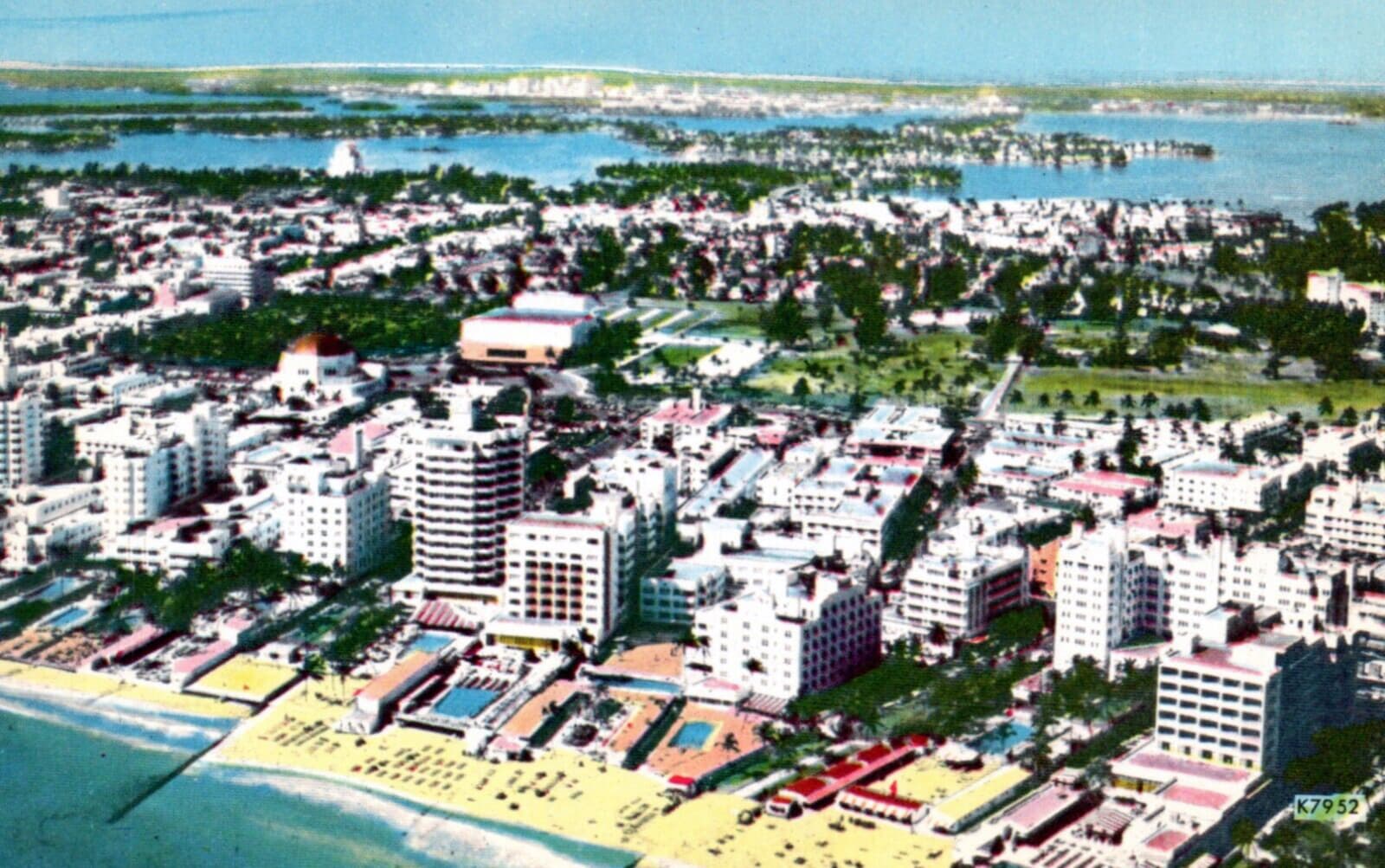
Mexico · Baja California Sur
Los Cabos
Base by your style (San Lucas for energy, San José for charm, the corridor for luxury), take a water taxi to the arch at Land’s End, snorkel Chileno or Santa Maria, give San José del Cabo an evening for the Gallery District, and add a Todos Santos or Cabo Pulmo day trip. From mid-December to April, build in a whale-watching morning.
 Stan Shebs / CC BY-SA 3.0 via Wikimedia Commons
Overview
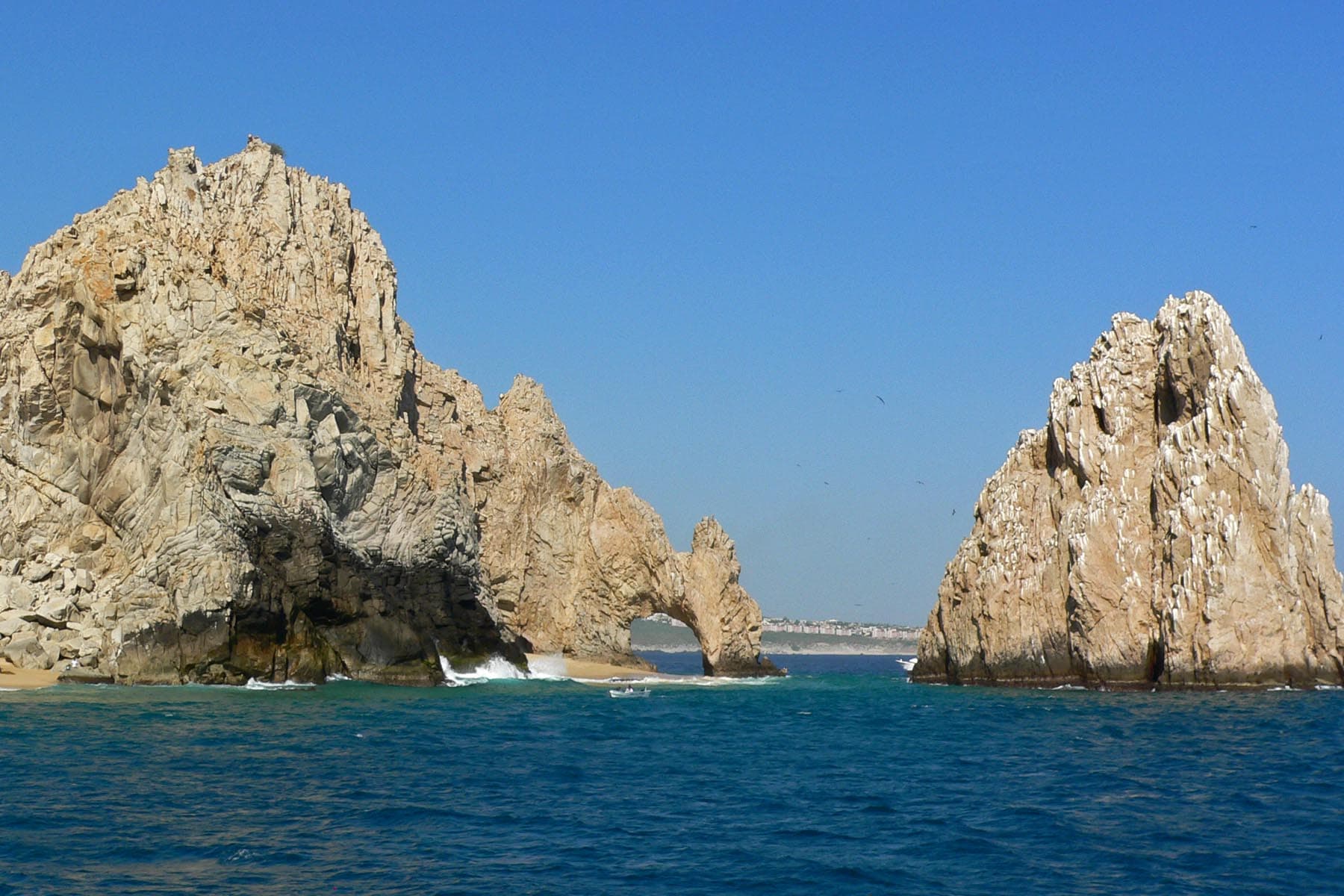
Los Cabos is where the Baja California desert runs into two seas at once: the wild Pacific on one side and the calm Sea of Cortez on the other, meeting at the granite arch of Land’s End. It packs Mexico’s densest strip of luxury resorts, a party-town marina, a colonial art town and some of the best whale watching in North America into one 33-kilometer corridor, two hours by air from Los Angeles.
If you only take one thing from this guide: Los Cabos rewards choosing deliberately, because the two towns feel like different countries. Book the corridor or the Pacific side for a resort cocoon, but do not leave without an evening in San José del Cabo’s old town; skipping it is how people come home thinking Los Cabos is only a party strip.
Best for
Couples and honeymooners · Luxury resort stays · Whale watching (December to April) · Golf and sportfishing · Desert-meets-ocean scenery
Daily itinerary
5 to 7 days
Los Cabos is really two towns and a coastline: Cabo San Lucas brings the marina, nightlife and Land’s End; San José del Cabo keeps a historic plaza and gallery district; and the resort corridor between them strings swimmable coves like Chileno and Santa Maria along the Sea of Cortez. Few beach destinations pair this much desert drama with this much water life: humpbacks breach offshore all winter and the Gulf of California’s only extensive living coral reef sits two hours up the East Cape.
Best time to visit
The sweet spot is November to April: dry, sunny and 25 to 30°C, with humpback and gray whales offshore from mid-December through April. May and June are hot, quiet value months. August to early October is the heart of hurricane season (officially mid-May to November), with September the riskiest and stickiest month, though the Sea of Cortez is at its warmest for diving.
- November to mid-December: Dry season settling in; pleasant heat, calmer prices before the festive peak, Art Walk Thursdays resume in San José del Cabo.
- Mid-December to April: Peak season and whale season: humpbacks calve offshore, January to March is the most reliable window for sightings.
- March: Spring break brings a younger, louder crowd to Cabo San Lucas; the corridor and San José stay calmer.
- May to June: Hot, dry value months; the desert bleaches out but the sea is calm and hotels drop rates.
- July to October: Hurricane season, peaking in September; warmest water of the year in the Sea of Cortez for divers who accept the forecast risk.
Things worth knowing
- Whale-watching season (December 15 to April 30): the officially regulated window when licensed boats run daily from both marinas; February is often the strongest month.
- San José del Cabo Art Walk (Thursday evenings, November to June): the Gallery District opens late with music and open studios.
- Bisbee’s Black & Blue Marlin Tournament (late October): the world’s richest sportfishing tournament fills the Cabo San Lucas marina.
Where to stay
 Israel Torres · Pexels
Cabo San Lucas (marina and Médano Beach)
The action end of Los Cabos: the marina, the water taxis to Land’s End, the bars and clubs, and Médano Beach, the town’s big swimmable strip of sand looking across the bay to the arch. Convenient, social and loud.
Best for: Nightlife · First-time visitors · Swimmable town beach · Sportfishing
Vendors work Médano Beach constantly and the marina strip is a gauntlet of tour and timeshare touts.
 Julio Hernandez · Pexels
The Tourist Corridor
The 33-kilometer resort coastline between the two towns, holding most of the big luxury properties above coves like Chileno Bay and Santa Maria, the region’s two most famous snorkeling beaches. Seclusion and sea views rather than walkable streets.
Best for: Luxury resorts · Snorkeling coves · Golf · Honeymoons
Nothing is walkable; every dinner outside the resort is a taxi or a drive.
 Gabor Dosa · Pexels
San José del Cabo
The cultured half of Los Cabos: a real Mexican town with a shaded plaza, a mission church, the Gallery District’s Thursday Art Walk, and the best restaurant scene in the region, backed by a quieter hotel zone along its long beach.
Best for: Food and galleries · Couples · A calmer pace · Authentic town feel
The hotel-zone beach is beautiful but most of it has strong currents; swim at Palmilla up the road instead.
 Josué Rodríguez · Pexels
The Pacific side (Pedregal, Solmar and Diamante)
The dramatic side: cliffs and wide, wild beaches facing the open Pacific just over the hill from downtown Cabo San Lucas. Home to some of the region’s most spectacular resorts and its most dangerous surf.
Best for: Dramatic sunsets · Cliffside luxury · Quiet close to town
The Pacific beaches here are not swimmable; the undertow is genuinely dangerous, so this is a pool-and-view base.
 Miguel González · Pexels
The East Cape (La Ribera to Cabo Pulmo)
The frontier: an hour-plus northeast of San José del Cabo, where a new luxury enclave at Costa Palmas meets off-grid beach villages and the protected reef of Cabo Pulmo National Park. For second-time visitors and divers.
Best for: Diving and snorkeling · Escaping the crowds · Kitesurfing (Los Barriles)
Long unpaved stretches near Cabo Pulmo; services are sparse and a car is essential.
Where to sleep
Waldorf Astoria Los Cabos Pedregal
luxury · Pedregal (Pacific side, Cabo San Lucas)
Best for: Honeymoons · Dramatic arrival and setting · Cliffside dining
- Reached through a private tunnel bored through the Pedregal cliffs
- Every room has a private plunge pool facing the Pacific
- El Farallón, its cliff-ledge seafood restaurant, is a destination in itself
- The Pacific beach below is not swimmable
- Very expensive year-round
- A hillside layout with lots of steps and buggy rides
Esperanza, Auberge Resorts Collection
luxury · Punta Ballena (Tourist Corridor)
Best for: Couples · A private-cove setting · Spa and wellness
- Set on the bluffs of Punta Ballena over two private coves
- One of the region’s most regarded spas, with a signature stone-grotto ritual
- Cocina del Mar’s clifftop dining and a mezcal-focused bar
- Premium pricing even by Los Cabos standards
- The coves are scenic but swimming depends on conditions
- You will want transport for anything outside the resort
The Cape, a Thompson Hotel
design · Misiones / Playa Monumentos (Corridor, Cabo San Lucas end)
Best for: Design lovers · Sunset views of the arch · A younger luxury crowd
- Mid-century-inflected design with the best straight-on view of El Arco across the bay
- The rooftop bar is one of the region’s best sunset perches
- Manta, its flagship restaurant, ranks among Los Cabos’ top tables
- The beach in front is a surf break, not a swimming beach
- The scene skews lively; light sleepers should ask for rooms away from the rooftop
- Standard rooms are smaller than the villa-style competition
Grand Velas Los Cabos
resort · Tourist Corridor (Cabo San Lucas side)
Best for: All-inclusive done properly · Multi-generation trips · Not wanting to think about bills
- The benchmark for luxury all-inclusive in Los Cabos: suites, spa and a two-Michelin-key level of dining included
- Cocina de Autor, its tasting-menu restaurant, is included in the rate
- Large suites all face the sea
- The beach in front is often flagged unsafe for swimming; pools are the default
- All-inclusive pricing is a poor fit if you want to eat around San Jose
- Big-resort scale, not a boutique feel
Hotel El Ganzo
boutique · Puerto Los Cabos (San José del Cabo)
Best for: Creative travelers · Adults-only calm · An alternative to mega-resorts
- An arts hotel with resident musicians, an underground recording studio and rotating murals
- Rooftop infinity pool overlooking the marina and estuary end of San Jose
- Its own beach club across the marina with swimmable water
- Removed from both town centers; you will taxi or drive everywhere
- Adults-only limits family trips
- Low-key by design: no big-resort facilities
Essential experiences
 Josué Rodríguez · Pexels
El Arco (Land’s End)
The granite arch where the Pacific meets the Sea of Cortez at the very tip of the Baja peninsula, ringed by sea-lion colonies; reached by water taxi or glass-bottom boat from the Cabo San Lucas marina for roughly 20 to 30 USD round trip (agree the price before boarding).
 Josh Fields · Pexels
Playa del Amor (Lover’s Beach)
The double-sided beach at Land’s End: calm Sea of Cortez water on one face and the pounding Pacific (nicknamed Divorce Beach, never swim there) on the other. Boat access only; water taxis drop and collect at agreed times.
 Zachary DeBottis · Pexels
Médano Beach
Cabo San Lucas’ 3-kilometer town beach: bay-protected, genuinely swimmable and lined with beach clubs looking across the water to the arch. The social center of the region’s beach life.
 Josué Rodríguez · Pexels
Chileno Bay and Santa Maria Bay
The corridor’s two Blue Flag snorkeling coves: Chileno’s gradual, family-friendly shelf and Santa Maria’s deeper horseshoe of glassy water. Public access, best before mid-morning when tour boats arrive.
 GeVi GoMo · Pexels
San José del Cabo Gallery District
The blocks behind San Jose’s mission church, where restored adobes hold contemporary galleries, Huichol folk art and design shops. On Thursday evenings from November to June the Art Walk closes the streets for open galleries and music.
 Jules Clark · Pexels
Estero San José
A freshwater estuary and bird sanctuary where San Jose’s palm oasis meets the sea, with a walking path and more than 100 recorded bird species; the reason the mission was founded here in 1730.
 John Markos O'Neill from San Francisco, California · CC BY-SA 2.0 via Wikimedia Commons
Cabo Pulmo National Park
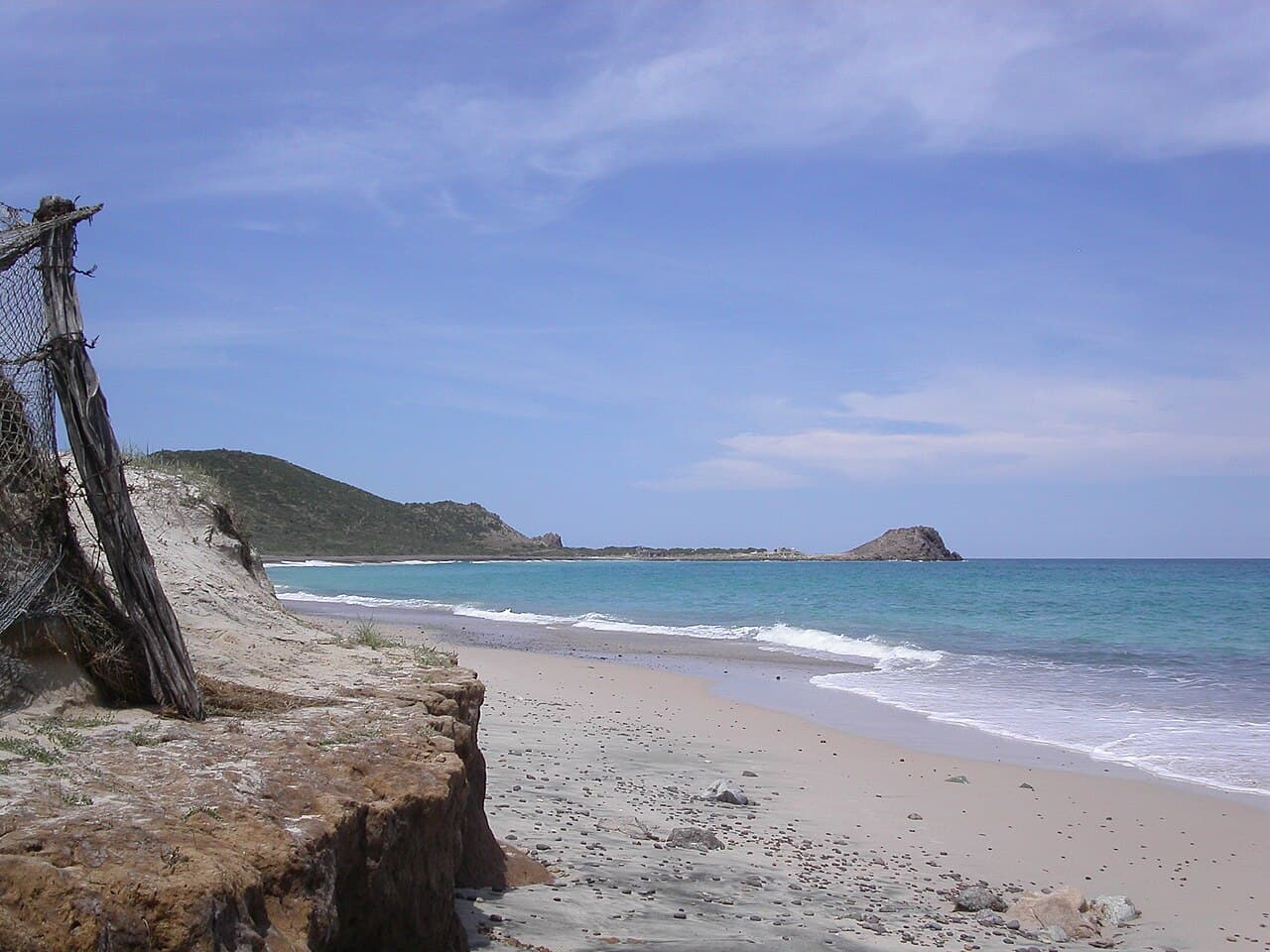
The Gulf of California’s only extensive living hard-coral reef, part of a UNESCO World Heritage marine property since 2005; two decades of protection rebuilt fish biomass by hundreds of percent, and snorkelers regularly meet rays, turtles and huge snapper schools.
UNESCO: Islands and Protected Areas of the Gulf of California ↗View on map ↗
 Diego Delso · CC BY-SA 4.0 via Wikimedia Commons
Whale watching from the marinas
From December 15 to April 30, licensed boats run daily to watch humpbacks that migrate here to calve, with the occasional gray whale passing through; February is the peak. Book a licensed operator with hydrophones and small groups rather than a party boat.
 Clemens Vasters from Viersen, Germany / CC BY 2.0 via Wikimedia Commons
 Los viajes del Cangrejo / CC BY 2.0 via Wikimedia Commons
Food & drink
 U.S. Department of Agriculture · Public domain via Wikimedia Commons
Baja fish tacos
Beer-battered fish in a hot corn tortilla with cabbage, crema and salsas; Baja California’s gift to the world, eaten standing at taquerias.
 Kindel Media · Pexels
Almejas chocolatas (chocolate clams)
The Sea of Cortez’s big native clams, named for their brown shells, served raw with lime or grilled with cheese and salsa.
 T.Tseng · CC BY 2.0 via Wikimedia Commons
Aguachile
Raw shrimp cured in a fiery lime, chile and cucumber bath; sharper and hotter than ceviche, a Baja Sur staple.
 Lucia Barreiros Silva · Pexels
Pescado zarandeado
A whole butterflied fish rubbed with chiles and grilled over wood; order it at beach palapas for a long lunch.
 ROMAN ODINTSOV · Pexels
Damiana margarita
The local twist on the margarita, made with a herbal liqueur from the damiana shrub that grows wild in Baja Sur.
The serious food is split between San José del Cabo’s old town and the farm restaurants in the hills behind it; Cabo San Lucas does beach clubs and steakhouses. Reserve the destination restaurants (Flora’s, the resort tables) well ahead in high season.
Where to eat
Flora’s Field Kitchen (Flora Farms)
institutionA working organic farm whose restaurant built the Los Cabos farm-dining scene; everything is grown or raised on site or nearby. Book weeks ahead in season.
Last researched 2026-07-28
El Farallón
fine-diningSeafood priced by the day’s catch, served on a ledge carved into the Pedregal cliffs with waves breaking below; the champagne terrace before dinner is the move. Book well ahead.
Last researched 2026-07-28
Sunset Monalisa
sunset-venueA Mediterranean cliffside restaurant whose terraces face the arch straight across the bay; come for the sunset seating even if you dine elsewhere. Reserve the early tables far ahead.
Last researched 2026-07-28
Sunrises
Playa Palmilla
The corridor’s calmest swimming cove faces east into the Sea of Cortez; first light comes up over the water with fishing pangas heading out from the point.
Year-round
 Odelon Burgos · Pexels
Estero San José boardwalk
Dawn is the birding hour at the estuary: herons, egrets and ospreys over still water before the day’s heat, with the sun rising over the sea end of the lagoon.
November to April
Sunsets
 Miguel Angel Lopez Rojas · CC BY-SA 4.0 via Wikimedia Commons
Land’s End by boat
The classic Los Cabos sunset: a small-boat cruise past the sea lions to watch the arch go gold from the water, Pacific swell on one side and the calm bay on the other.
Year-round
 Letty Juarez · CC BY-SA 4.0 via Wikimedia Commons
Playa Solmar and the Pacific side
A wide, wild beach five minutes over the hill from downtown Cabo San Lucas, facing the open Pacific; watch from the sand, never from the water.
Year-round · Walk in through the Solmar or Grand Solmar resort access; the undertow makes swimming genuinely dangerous here.
 Fulvio Spada from Torino, Italy · CC BY-SA 2.0 via Wikimedia Commons
The Cape’s rooftop or Sunset Monalisa
The corridor’s cliff edge at km 5 to 6 faces the arch straight on; the rooftop bar at The Cape and the terraces of Sunset Monalisa are the two definitive perches.
Year-round
Day trips
 Bruno Storchi Bergmann · Pexels
Todos Santos and Cerritos Beach
A Pueblo Mágico art town an hour up the Pacific coast on Highway 19: galleries and adobes around the 1723 mission, the Hotel California of the persistent (if unproven) Eagles legend, and surf-and-swim Cerritos Beach twenty minutes south.
About 1 hour from Cabo San Lucas by car on Highway 19 · Full day
 Lars H Knudsen · Pexels
Cabo Pulmo snorkeling or diving
The Gulf of California’s only extensive living hard-coral reef, part of a UNESCO World Heritage marine property, where fishing gave way to ecotourism in 1995; guided snorkel and dive boats leave from the village beach.
About 2 hours from San José del Cabo, last stretch on graded dirt road · Full day
 Josué Rodríguez · Pexels
La Paz and Balandra Bay
The laid-back state capital two-plus hours north, with the shallow turquoise crescent of Balandra, regularly named Mexico’s most beautiful bay, and licensed whale-shark snorkeling on the bay from roughly October to April.
About 2 to 2.5 hours each way by car · Full day (long)
After dark
 GERARDO GONZALEZ PONCE · Pexels
Art Walk Thursday in San José del Cabo
cultureFrom November to June the Gallery District opens late on Thursdays: open studios, music on the closed streets, and dinner afterward in the old town. The single best evening in Los Cabos.
 Negar Touri · Pexels
Sunset cruise past Land’s End
boatSmall boats leave the Cabo San Lucas marina before golden hour to circle the arch and sea-lion colony; in winter the ride doubles as last-light whale spotting.
 Sergio Benitez · Pexels
Médano Beach after dark
nightlifeThe beach clubs turn into open-air bars with the marina lights across the bay; loud, social and unapologetically Cabo San Lucas.
Daily itinerary
Five days in Los Cabos: both towns, the arch and a Pacific day
A corridor or San Lucas base, the water-taxi morning to Land’s End, a snorkeling cove, a San José evening, and a Todos Santos day; whale watching slots in from mid-December to April.
- 1
Arrival and Médano
relaxedLand at SJD, pre-booked transfer to your base.A late beach-club lunch on Médano Beach.Settle in; swim at Médano or the resort pool.First look at the arch from a Médano beach bar.Easy dinner near your base.Early night; the water taxis start young tomorrow.Pre-book the airport transfer; Uber cannot pick up at SJD arrivals.Estimate: If you arrive early, walk the Cabo San Lucas marina to get oriented.
- 2
Land’s End and the Pacific side
moderateWater taxi from the marina to El Arco and Lover’s Beach; land on the Sea of Cortez side.Fish tacos back in town.Cross the hill to the Pacific side: Playa Solmar for the wide-open ocean (from the sand only).Sunset cruise past Land’s End, or the rooftop at The Cape.El Farallón on the Pedregal cliffs if you booked ahead.Marina stroll or Médano’s bars.Everything today orbits Cabo San Lucas; taxis or short drives only.Estimate: In season (December 15 to April 30), swap the morning for a licensed whale-watching boat.
- 3
Snorkel coves and San José evening
moderateEarly snorkel at Chileno Bay or Santa Maria before the tour boats.Casual lunch on the corridor or pack it in.Palmilla for the calmest swimming, then clean up for town.Golden hour in San José del Cabo’s plaza.The old town’s restaurant row.Gallery District wander; on Thursdays (November to June) this is Art Walk night.One car or driver for the day covers corridor coves plus San Jose.Estimate: Aim day 3 at a Thursday for the Art Walk; shuffle days 3 and 4 if needed.
- 4
Todos Santos day
fullDrive Highway 19 up the Pacific coast to Todos Santos; galleries and the mission plaza before the heat.A garden restaurant in town.Cerritos Beach for a swim or a first surf lesson.Pacific sunset from Cerritos or back at your base.Quiet dinner near the hotel.Rest; it was a driving day.A rental car makes this day flexible; tours run it as a package too.Estimate: Divers and snorkelers: swap Todos Santos for a Cabo Pulmo day (book ahead).
- 5
Slow morning and out
relaxedEstero San José boardwalk for the birds, or a last swim at Palmilla.Farm lunch at Flora’s Field Kitchen if your flight allows.Transfer to SJD; take an Uber or hotel car (drop-off at departures is allowed).Departure.SJD is 20 minutes from San José, 45 from Cabo San Lucas; pad accordingly.Estimate: With a late flight, add a final beach-club hour on Médano.
Getting around
- Los Cabos International Airport (SJD) sits north of San José del Cabo: about 20 minutes to San José, 30 to the corridor, and 45 minutes to an hour to Cabo San Lucas.
- Pre-book a shuttle or private transfer, or use the authorized taxi kiosks inside the terminal; ride-share apps are banned from airport pickups (a federal-zone rule the courts upheld), though they may legally drop you off for departures.
- Walk politely past the "information" and "free transfer" booths in the arrivals hall; they are timeshare sales desks.
- Uber operates in and between both towns and along the corridor; it is usually cheaper than street taxis, which do not use meters (agree the fare first).
- A rental car is the best tool for Todos Santos, Cabo Pulmo and La Paz days; Highways 1 and 19 are well maintained, but avoid driving rural roads after dark.
- The Ruta del Desierto public buses link the two towns along the corridor cheaply if you are patient; resorts run their own shuttles too.
Things worth knowing
- · Landing and opening Uber: it cannot pick up at the airport, and the "cheap transfer" booths in arrivals are timeshare pitches.
- · Assuming every beach is swimmable: the Pacific side and much of the corridor have dangerous surf; swim where lifeguard flags and Blue Flag status say you can.
- · Underestimating distances: dinner in San José from a Cabo San Lucas hotel is a 40-minute drive each way.
- · Visiting December to April without booking whale trips and destination restaurants ahead.
Budget
| Low | Expected | Comfortable | |
|---|---|---|---|
| Accommodation style / per night | $90 | $300 | $900 |
| Food style / per day | $25 | $70 | $180 |
| Local transport / per day | $8 | $30 | $90 |
| Estimate / per day | $5 | $30 | $90 |
Estimate · USD · 2026-07-28. Accommodation is per room per night (two sharing). Los Cabos quotes most tourist prices in USD; paying in pesos is often slightly cheaper. Rates peak from mid-December to April and drop hard in the September hurricane trough. Top resorts run far above the "comfortable" tier.
Things worth knowing
Frequently asked questions
Cabo or Cancun: which should you pick?
Los Cabos is desert-meets-Pacific: dramatic scenery, whales, luxury resorts, cool dry winters and mostly non-swimmable surf outside protected coves. Cancun is Caribbean: flat turquoise water, swimmable everywhere, cheaper on average, more humid. Pick Los Cabos for scenery, food and whale season; Cancun for guaranteed swimming and reef-lagoon water.
How many days do you need in Los Cabos?
Five to seven. Five covers Land’s End, the snorkeling coves, both towns and a Todos Santos day; seven adds Cabo Pulmo or La Paz and real resort downtime.
Where should you stay: Cabo San Lucas, San José del Cabo or the corridor?
Cabo San Lucas for nightlife, the marina and a swimmable town beach; San José del Cabo for galleries, food and a calmer, more Mexican feel; the corridor for secluded luxury resorts between the two. First-timers who want a bit of everything do best on the corridor’s San Lucas end.
When can you see whales in Los Cabos?
The regulated season runs December 15 to April 30, when humpbacks calve in these waters and the occasional gray whale passes through; January to March is the most reliable window, often strongest in February.
Do you need a car, and does Uber work?
Uber works well in and between the towns but cannot pick up at the airport, so pre-book that transfer. You can do a corridor-based trip on Uber and tours alone; rent a car for the Todos Santos, Cabo Pulmo or La Paz days.
Is the sea swimmable in Los Cabos?
Only in the right places. Médano Beach in town, Chileno, Santa Maria and Palmilla on the corridor are the dependable swimming and snorkeling beaches; the open Pacific side has dangerous undertow and is for walking and sunsets, not swimming.
Sources (5)
- Los Cabos destination overview, beaches and activities · tourism-board · 2026-07-28
- The regulated whale-watching season runs December 15 to April 30 · tourism-board · 2026-07-28
- Cabo Pulmo is part of the UNESCO Islands and Protected Areas of the Gulf of California (inscribed 2005) · unesco · 2026-07-28
- Ride-share apps cannot pick up arriving passengers at SJD airport; authorized transport only · reputable-local · 2026-07-28
- Esperanza resort details at Punta Ballena · official · 2026-07-28