Vietnam · Red River Delta
Hanoi
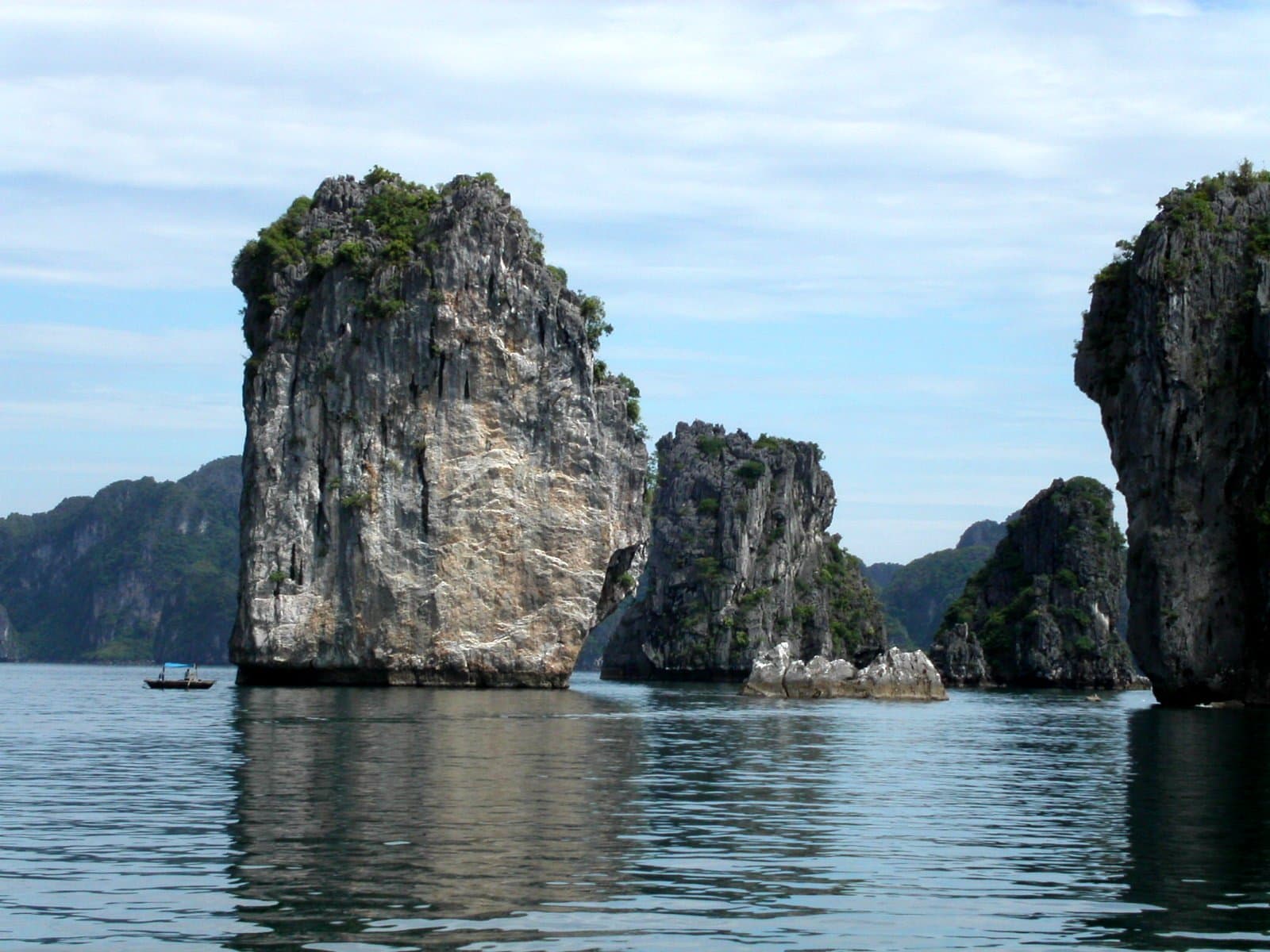
Come in October or November when the air is at its cleanest and the light is gold, sleep in the Old Quarter but a lane back from Ta Hien or Luong Ngoc Quyen, eat pho for breakfast and bun cha for lunch at shops that sell one dish each, give a full day to Ninh Binh and a night to Lan Ha Bay, and be here on a Friday evening when the streets around Hoan Kiem Lake close to traffic.
 Rolf Müller (User:Rolfmueller) / CC BY-SA 3.0 via Wikimedia Commons
Overview
Hanoi has been a capital for a thousand years, and it wears every one of those centuries at once: a lake with a temple on an island in the middle of downtown, a grid of trade streets still named after the goods they sold in the fifteenth century, a French quarter of villas and boulevards laid over the top, and a Soviet-era civic centre where the founding president lies in a granite mausoleum. It is also, by a wide margin, the best eating city in Vietnam, with a food culture built on a handful of dishes each perfected by shops that make nothing else.
Hanoi is the Vietnamese city that rewards patience rather than energy. Two nights and you will have seen the lake, the mausoleum and a water puppet show, and you will leave thinking it was chaotic and fine. Four nights and the pattern emerges: which alley has the good banh cuon, why the trade streets are named what they are, how the whole city moves outdoors at 5am and again at 5pm. Plan the trip for autumn if you can. If your dates are locked into January or February, come anyway, but check the AQI each morning and treat the museums as the plan for the bad days.
Best for
Food travelers · History and architecture travelers · First-time Vietnam visitors · Couples · Photographers · Anyone pairing a city with Ha Long Bay or Ninh Binh
Daily itinerary
3 nights for the city itself; 5 to 6 to add Ninh Binh and an overnight on the bay
Most Hanoi guides send you to the same six sights and tell you to come in winter because it is dry. That advice is half wrong: the dry winter months are also the months when temperature inversions trap the city under some of the worst air in the world, and Hanoi has repeatedly ranked as the single most polluted major city on the planet in January, February and March. This guide is organised around the air, around where in the Old Quarter you can actually sleep, and around the food, which is the real reason to give the city four days instead of two.
Best time to visit
October and November are the answer: warm days around 25 to 29 degrees, cool evenings, little rain and the cleanest air of the year. March and April are the spring alternative, mild but often grey and humid with the drizzle the Vietnamese call mua phun. May to September is hot, sticky and genuinely wet, with August the wettest month of all. December to February is dry and cool, which is why it gets recommended, but it is also the peak of the pollution season, when Hanoi regularly appears in the world top ten for air quality on any given morning.
- October: The best month in Hanoi, and it is not close. Warm days, cool nights, thin rainfall and the clearest skies of the year, with the plane trees turning and the whole city outdoors in the evening.
- November: Cooler than October and just as clear early in the month. The classic Hanoi autumn: sweater weather after dark, com lang Vong (young green rice) in the markets, and the last comfortable weeks before the winter haze settles.
- December and January: Cool, sometimes genuinely cold, with nights in the low teens and the occasional 10-degree snap. Dry and atmospheric, and also the start of the worst air of the year: January 2026 saw Hanoi in the world top ten most polluted cities on multiple days.
- February: Tet dominates the month. In 2027 the Lunar New Year falls on 6 February and the public holiday is expected to run around 3 to 11 February, though Vietnam confirms the exact dates only a few months ahead: the city empties of workers, half the good shops close for a week, and prices and train seats vanish. Beautiful if you plan around it, frustrating if you do not. Air quality is typically at its annual worst.
- March and April: Spring. Mild, humid and often overcast, with fine drizzle that never quite becomes rain. Late April warms up properly and is a fair compromise month; the Reunification and May Day holidays at the end of April crowd everything.
- May and June: Hot and getting hotter, with June among the hottest months and highs pushing into the mid-thirties. Afternoon thunderstorms start arriving. Good value, hard walking.
- July and August: The wettest and stickiest stretch of the year, with August averaging well over 250mm of rain across roughly seventeen wet days. Storms are usually short and violent rather than all-day, but the humidity is constant and typhoon tails can close the bay to cruises.
- September: The turn. Early September is still hot and wet and carries National Day on the 2nd; by the end of the month the rain thins, the humidity drops and autumn begins. The last two weeks are quietly one of the best windows of the year.
Things worth knowing
- Tet (Lunar New Year, late January or February; 6 February in 2027, with the public holiday expected around 3 to 11 February but confirmed only a few months ahead): flower markets on Hang Luoc, kumquat trees on every motorbike, temples full, and most family-run shops closed for several days. Book everything far ahead and expect a quieter, stranger, more ceremonial city.
- Hoan Kiem weekend walking street (every Friday evening from about 7pm through to midnight on Sunday): sixteen streets around the lake close to traffic and fill with buskers, food carts, children on toy cars and impromptu games. Free, and the single best recurring event in the city.
- Mid-Autumn Festival (Tet Trung Thu, eighth lunar month, usually September or early October): Hang Ma street goes scarlet with lanterns and star-shaped toys for a fortnight beforehand, which is the real show.
- National Day (2 September): parades and crowds around Ba Dinh Square, flags on every building, and a long public holiday weekend that fills hotels across the north.
- Perfume Pagoda festival (from the sixth day of the first lunar month through to around the end of the third, so roughly February to April): the largest and longest pilgrimage in Vietnam, best seen on a weekday unless queueing on a boat appeals.
Where to stay
 Richard Mortel from Riyadh, Saudi Arabia · CC BY 2.0 via Wikimedia Commons
Old Quarter
The thousand-year-old trade grid north of Hoan Kiem Lake, where the streets are still named for what they sold: Hang Bac for silver, Hang Gai for silk, Hang Ma for paper goods. Tube houses two metres wide, food on every kerb, and the highest concentration of good cheap eating in Vietnam. Almost everything a first-time visitor wants is inside a fifteen-minute walk.
Best for: First-time visitors · Street food · Walking · Shopping the trade streets
Noise is the whole question. Ta Hien and Luong Ngoc Quyen are the bar streets and stay loud past midnight; the lanes one or two blocks north and west are a different world. Ask for a room away from the street and above the second floor, and read the reviews for the word karaoke.
 Valeria Drozdova · Pexels
French Quarter
South and east of Hoan Kiem Lake: wide boulevards, tamarind trees, the ochre Opera House, embassies behind gates, and the city's grand hotels. This is where colonial Hanoi built itself, and it is still where the city goes quiet and formal. Walkable to the lake and the Old Quarter in ten minutes without living inside the noise.
Best for: Couples · Grand hotels · Architecture · A calm base within walking distance of everything
Street food is thinner on the ground and the evenings are sedate; you will walk north for dinner more often than not. Room rates run well above the Old Quarter for the same square metres.
 Thuan Pham · Pexels
Tay Ho (West Lake)
The lake district north of the centre, five square kilometres of water ringed by a road that takes an hour to cycle. Long the expatriate quarter, so the bakeries, wine bars, brunch places and yoga studios are the best in the city, alongside Tran Quoc Pagoda, the oldest in the city, on its causeway. Air feels measurably better here than in the Old Quarter, and the sunsets are the city's finest.
Best for: Longer stays · Families · Resort-style hotels · Cafes and lakeside evenings
Fifteen to twenty-five minutes by car to the Old Quarter, and the traffic makes that unpredictable at rush hour. You are choosing space and air over immersion; the sights are all elsewhere.
 Hồng Quang Official · Pexels
Ba Dinh
The political quarter west of the Old Quarter: Ho Chi Minh's mausoleum and stilt house, the Presidential Palace, the One Pillar Pagoda, the Imperial Citadel and the Temple of Literature all within a short walk of one another, on wide leafy streets that feel like a different city from the trade lanes.
Best for: Monuments and museums on foot · Quieter mid-range hotels · Travelers who want space without leaving the centre
Evenings are dead by Hanoi standards and the dining is unremarkable; plan to head east for dinner. The area around the mausoleum shuts down to pedestrians during ceremonial hours.
 Valeria Drozdova · Pexels
Truc Bach
The small lake wedged between West Lake and the citadel, separated from its bigger neighbour by the Thanh Nien causeway. A calm, residential pocket with a growing run of good small restaurants and cafes on its eastern shore, close enough to walk into the Old Quarter in twenty minutes and far enough to sleep.
Best for: Value with quiet · Second-time visitors · Sunset walks · Couples
Fewer hotels to choose from, and the walk into the Old Quarter crosses some genuinely unpleasant junctions. Most people end up taking a Grab after dark.
 Toàn Nguyễn Huy · Pexels
Hai Ba Trung
The workaday district south of the French Quarter, where Hanoi lives rather than visits: market streets, university blocks, office towers and the bun cha shop that Barack Obama and Anthony Bourdain ate at. Rooms cost a fraction of the lake prices and the food is priced for residents.
Best for: Value · Everyday Hanoi · Longer stays on a budget
No sights of its own and limited English, and every trip to the Old Quarter is a ride rather than a walk. You are here for price and for eating where nobody is performing for visitors.
Where to sleep
Sofitel Legend Metropole Hanoi
luxury · French Quarter, beside the Opera House
Best for: A hotel that is itself a sight · Couples · Travelers who want the grand version of Hanoi
- Open since 1901 and the most storied address in Indochina, with the original Heritage Wing preserved in colonial detail and the newer Opera Wing in neo-classical style
- The wartime bomb shelter beneath the courtyard was rediscovered in 2011 and is now shown to guests on a short in-house history tour, which is a genuinely rare thing to have under a hotel
- A central French Quarter position that puts Hoan Kiem Lake, the Opera House and the Old Quarter all within a ten-minute walk, plus the Bamboo Bar and a courtyard pool under frangipani trees
- Heritage Wing rooms are atmospheric rather than large, and the two wings differ enough that the wing matters more than the room category
- Priced at the top of the Hanoi market, and the historic-landmark status means a steady flow of non-resident visitors through the public rooms
Capella Hanoi
design · French Quarter, a few minutes from the Opera House
Best for: Design lovers · Couples · A small hotel rather than a grand one
- 47 rooms and suites, each individually designed by Bill Bensley around the theme of a 1920s opera house, with rooms staged as the dressing rooms and studios of invented performers
- Hibana by Koki, the fourteen-seat teppanyaki counter in the basement, holds a Michelin star in the 2026 Michelin Guide Vietnam, so the best meal of the trip can be a lift ride away
- Small enough that the service is genuinely personal, with an indoor pool, spa and the Backstage bar hidden behind the theatrical staging
- The maximalist design is the point and it is relentless; travelers who want calm neutral rooms will find it exhausting
- No grounds and no view to speak of, and the room rate matches the Metropole without the landmark status
InterContinental Hanoi Westlake
resort · Tay Ho, on West Lake
Best for: Families · Couples who want water and air · Resting between a bay cruise and a flight
- Built partly on the water: a main building on the shore plus island pavilions reached by walkways, holding rooms that sit directly above West Lake
- The Sunset Bar on its own pier is the best sundown position in Hanoi, facing the widest stretch of the lake with Tran Quoc Pagoda in the frame
- Lake-side pool, real grounds and noticeably better air than the Old Quarter, which matters more in Hanoi than in most cities
- Fifteen to twenty-five minutes from the Old Quarter and the sights, and Hanoi traffic makes that number unreliable in the evening rush
- A large international property rather than a characterful one; you are buying the setting, not the design
Apricot Hotel
boutique · Hoan Kiem, facing the lake on Hang Trong
Best for: Art lovers · A lake view from the room · Couples who want the centre without the bar streets
- A working gallery as much as a hotel: more than 600 original works by Vietnamese painters through the lobby, corridors and rooms, with the room categories named Sketch, Canvas, Gallery, Masterpiece and Studio
- 123 rooms directly across from Hoan Kiem Lake, so the upper-floor lake views are the best in the city at this price
- Heated rooftop pool and rooftop bar over the lake, which is a rare combination in central Hanoi
- The neo-classical styling is heavy and dates itself quickly in photographs; the art is better than the furniture
- Hang Trong is a busy road and the lake-facing rooms hear it, so the view and the quiet are not available in the same room
La Siesta Premium Hang Be
boutique · Old Quarter, on Hang Be two minutes from the lake
Best for: The Old Quarter with a lift and a spa · Couples · Best value in the centre
- 50 rooms and suites in a well-run Vietnamese boutique group, contemporary rather than themed, with French balconies on everything above the entry category
- The Lighthouse Sky Bar on the roof looks from Long Bien Bridge across to Hoan Kiem Lake, and the in-house La Spa is one of the better hotel spas in the Old Quarter
- A two-minute walk to the lake and the weekend walking street while sitting a block off the loudest bar lanes
- Hang Be is a busy market street and the lower floors get the morning trade noise
- Rooms are comfortable rather than spacious, and the group runs several similarly named properties in the same few blocks, so book the exact one
Essence Hanoi Hotel & Spa
value · Old Quarter, on Ta Hien
Best for: Budget travelers who still want service · Solo travelers · Being in the middle of the noise on purpose
- A 30-room family-run hotel with a spa, an included breakfast and a level of attentiveness that reads as three categories above the price
- A three-minute walk to Hoan Kiem Lake and directly on the Old Quarter's social spine, so nothing needs planning after dark
- Consistently the sort of small hotel where staff arrange the taxi, the tour and the laundry without being asked twice
- Ta Hien is the beer corner and the noise runs late into the night, especially at weekends: this is the trade for the location and it is not negotiable
- Rooms are small and the building is narrow, as almost everything in the Old Quarter is
Essential experiences
 Valeria Drozdova · Pexels
Hoan Kiem Lake and Ngoc Son Temple
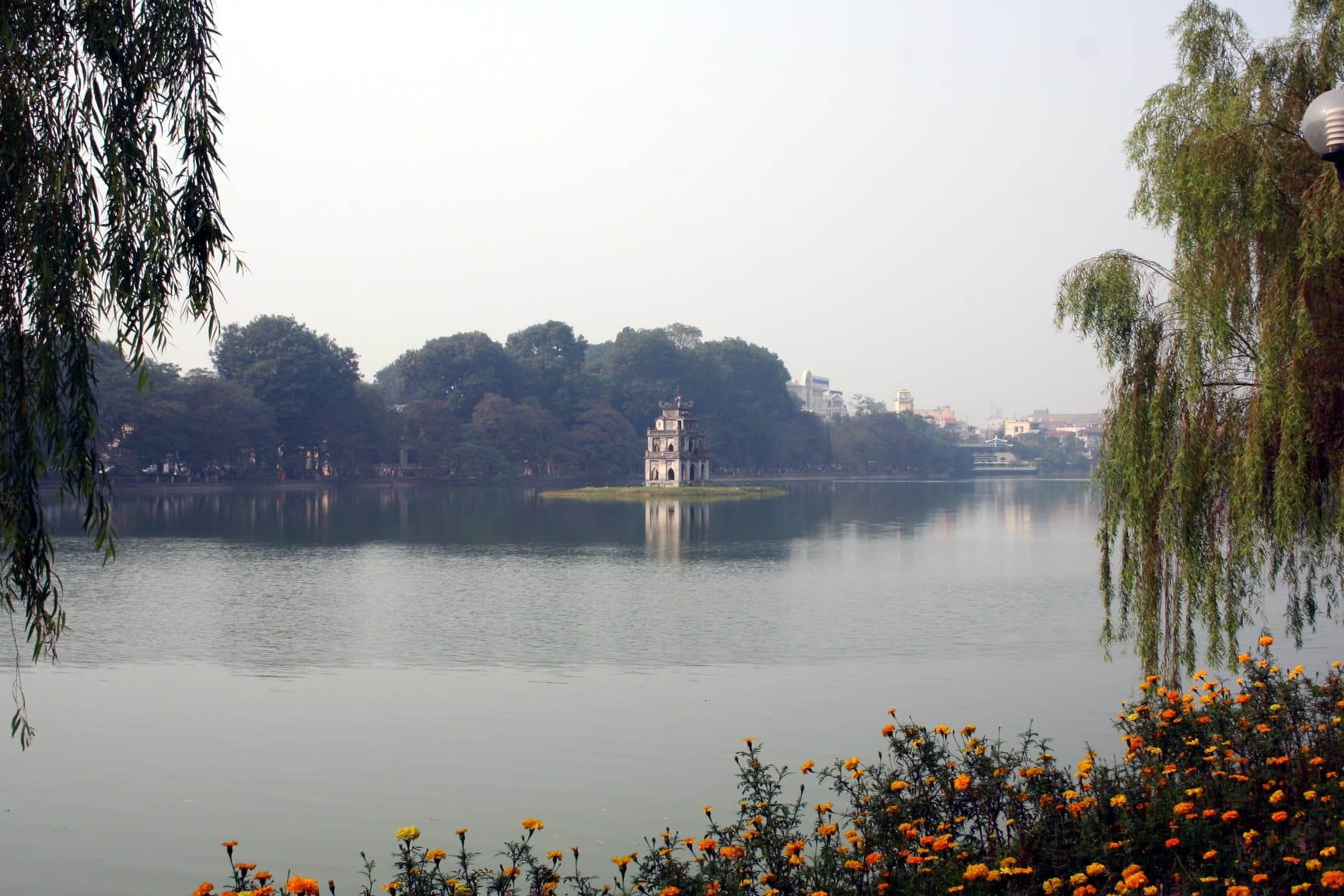
The lake at the centre of everything, small enough to walk around in half an hour and busy from 5am when the tai chi groups arrive. The scarlet Huc Bridge crosses to Ngoc Son Temple on its islet; the Turtle Tower sits alone on a rock in the middle. From Friday evening to Sunday midnight the ring of streets closes to traffic and the whole thing becomes a promenade.
 Tú Chu · Pexels
The Old Quarter trade streets
Thirty-six original guild streets, most still carrying the name of the trade that worked them: Hang Bac for silversmiths, Hang Gai for silk, Hang Ma for votive paper, Hang Thiec for tin. Some have kept the trade and some have not, and the pleasure is in the ones that have, where a whole street sells nothing but doorknobs or funeral flowers. Walk it at 6am and again at 8pm and it is two different cities.
 Valeria Drozdova · Pexels
Temple of Literature (Van Mieu)
A Confucian temple founded in 1070 that six years later took in Vietnam's first national university, the Quoc Tu Giam, and ran as one for seven centuries, laid out as five walled courtyards of increasing calm. The 82 stone stelae in the third courtyard, each carried on a turtle and each listing the doctoral graduates of one examination, are on the UNESCO Memory of the World register. Students still come to them for luck before exams, though the turtles are fenced off now and touching them is no longer allowed. Go at opening; on Wednesday, Saturday and Sunday evenings there is a separate night programme.
 Nguyễn Thanh Quang · CC BY-SA 3.0 via Wikimedia Commons
Imperial Citadel of Thang Long
The UNESCO-listed seat of Vietnamese power for thirteen centuries, layered from a seventh-century Chinese fort through the Ly and Le dynasties to the concrete command bunker where the North Vietnamese leadership ran the American war. The archaeological pit across the road is the best part and the least visited: excavated foundations of successive palaces stacked directly on top of one another.
UNESCO: Central Sector of the Imperial Citadel of Thang Long ↗View on map ↗
 Rungbachduong · CC BY-SA 3.0 via Wikimedia Commons
Ho Chi Minh Mausoleum and Ba Dinh Square
The granite mausoleum on the square where independence was declared in 1945, holding the embalmed body of Ho Chi Minh against his own stated wishes. Free, mornings only, closed two days a week, and closed altogether for weeks at a time when the body goes for maintenance, usually in the autumn. Silence, no bags, no phones and covered shoulders and knees are enforced without discussion. The stilt house, the Presidential Palace grounds and the One Pillar Pagoda are all in the same complex.
 Wikimedia Commons · Public domain via Wikimedia Commons
Hoa Lo Prison
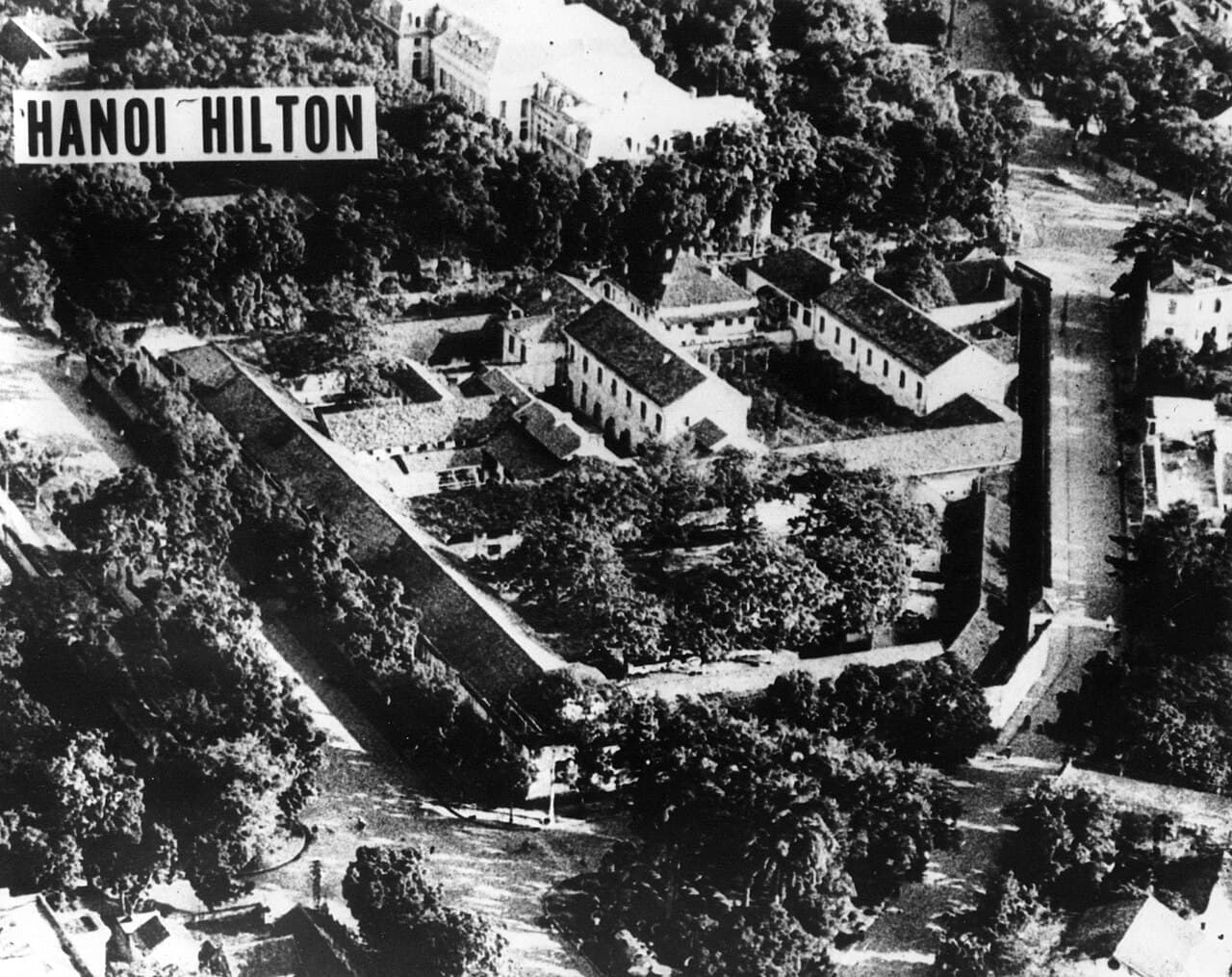
The surviving corner of the French colonial prison that held Vietnamese political prisoners from 1896, later used for American pilots who nicknamed it the Hanoi Hilton. The French-era rooms, with their shackle benches and the guillotine, are the harrowing part and the part the museum handles best; the American section is frankly propagandistic and worth reading as an artefact in its own right. A separate ticketed night programme runs on announced dates, usually weekend evenings, as a scheduled production rather than a standing opening; check the current calendar and book ahead.
 Daderot · CC0 via Wikimedia Commons
Vietnam Museum of Ethnology
The best museum in the country and the one visitors skip because it is 8km out. Indoors, the material culture of all 54 recognised ethnic groups, labelled properly in English; outdoors, a garden of full-scale traditional houses that you climb into, including a Bahnar communal house nearly twenty metres tall and a Ede longhouse. Give it three hours and go on a bad-air day, because most of the indoor space is sealed. It closes on Mondays, which is the single most common way visitors waste a trip out here.
 Esin Üstün from Istanbul, Turkey · CC BY 2.0 via Wikimedia Commons
Train Street
The residential lane where the Hanoi to Lao Cai line runs a metre from the front doors, which became famous, then dangerous, then officially restricted. Organised group tours were banned in March 2025 and the photogenic northern section by Phung Hung is barricaded and policed. What still works, for now, is the Le Duan section by the main station, where cafes on the lane seat customers and walk them in: quieter, less staged, and the train is the same train. Understand what this is, which is a tolerated practice rather than an officially sanctioned one, and it can stop without notice. Check the timetable with the cafe and stand where they tell you.
 Syced · CC0 via Wikimedia Commons
Tran Quoc Pagoda and West Lake
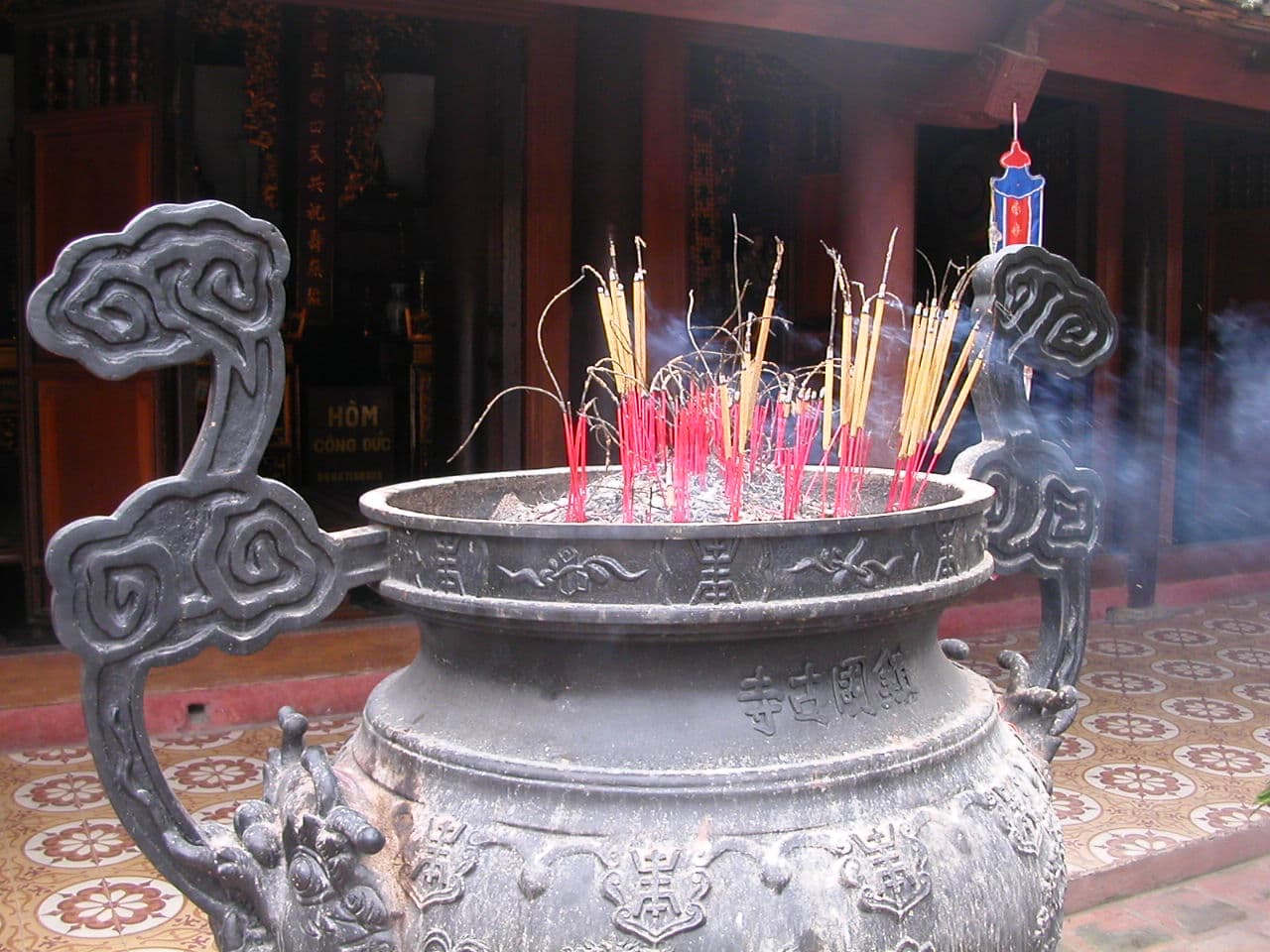
The oldest pagoda in Hanoi, founded in the sixth century and moved to its islet on West Lake in the seventeenth, with a red stupa of eleven tiers rising off the causeway. It is at its best in the last hour of light, when the whole of Thanh Nien road turns into a promenade of couples, joggers and people selling roasted sweet potatoes. Free to enter, shoulders and knees covered.
 calflier001 · CC BY-SA 2.0 via Wikimedia Commons
Long Bien Bridge
The cantilever bridge over the Red River, built between 1899 and 1902 by the Paris firm Dayde et Pille and inaugurated in February 1902, then bombed repeatedly during the American war, its mismatched replacement spans still visible as a record of what was hit. Trains, motorbikes and pedestrians share it; walk out at dawn as the market traffic crosses and the banana fields on the sandbank below come out of the mist.
 Adam · CC BY-SA 2.0 via Wikimedia Commons
Thang Long Water Puppet Theatre
The eleventh-century delta art form in which lacquered puppets are worked on underwater poles by puppeteers standing waist-deep behind a bamboo screen, accompanied by a live band of traditional instruments. Fifty minutes, unashamedly a tourist show, and still genuinely charming; the musicians are the reason to sit close. Five to seven performances a day and it sells out, so book a day ahead.
 Jorge Láscar from Australia · CC BY 2.0 via Wikimedia Commons
Dong Xuan Market and the night market
The city's big covered wholesale market at the top of the Old Quarter, four floors of fabric, hardware and haberdashery that exists for Hanoians rather than for you, with a genuinely good food alley along its northern flank. On Friday, Saturday and Sunday evenings the streets running south from it, Hang Duong through Hang Ngang to Hang Dao, become a pedestrian night market down to the lake.
 The original uploader was Chuoibk at Eng / CC BY-SA 3.0 via Wikimedia Commons
 Jorge Láscar from Australia / CC BY 2.0 via Wikimedia Commons
Food & drink
 Andy Li · CC0 via Wikimedia Commons
Pho (pho bo)
Hanoi's version is the austere one: clear beef broth, flat rice noodles, spring onion, and almost nothing else on the table. No basil mountain, no hoisin, no bean sprouts; that is the Saigon style. Ordered tai for rare beef, chin for well-done, or tai nam for both. It is a breakfast dish and the great shops close mid-morning.
 Larry · CC BY-SA 2.0 via Wikimedia Commons
Bun cha
The dish Hanoi invented and the one to plan a lunch around: charcoal-grilled pork patties and belly slices dropped into a bowl of warm, sweet-sour fish sauce broth, with cold rice vermicelli and a basket of herbs alongside. You assemble each mouthful yourself. Smell the charcoal smoke at 11am and follow it.
 Lionel Ng from Singapore · CC BY-SA 2.0 via Wikimedia Commons
Cha ca
Turmeric-marinated fish fried at the table in a pan of dill and spring onion, served over rice noodles with peanuts and shrimp paste. A single-dish genre with its own street named after it, and one of the few Hanoi specialities that works as a proper sit-down dinner.
 Lưu Ly · Public domain via Wikimedia Commons
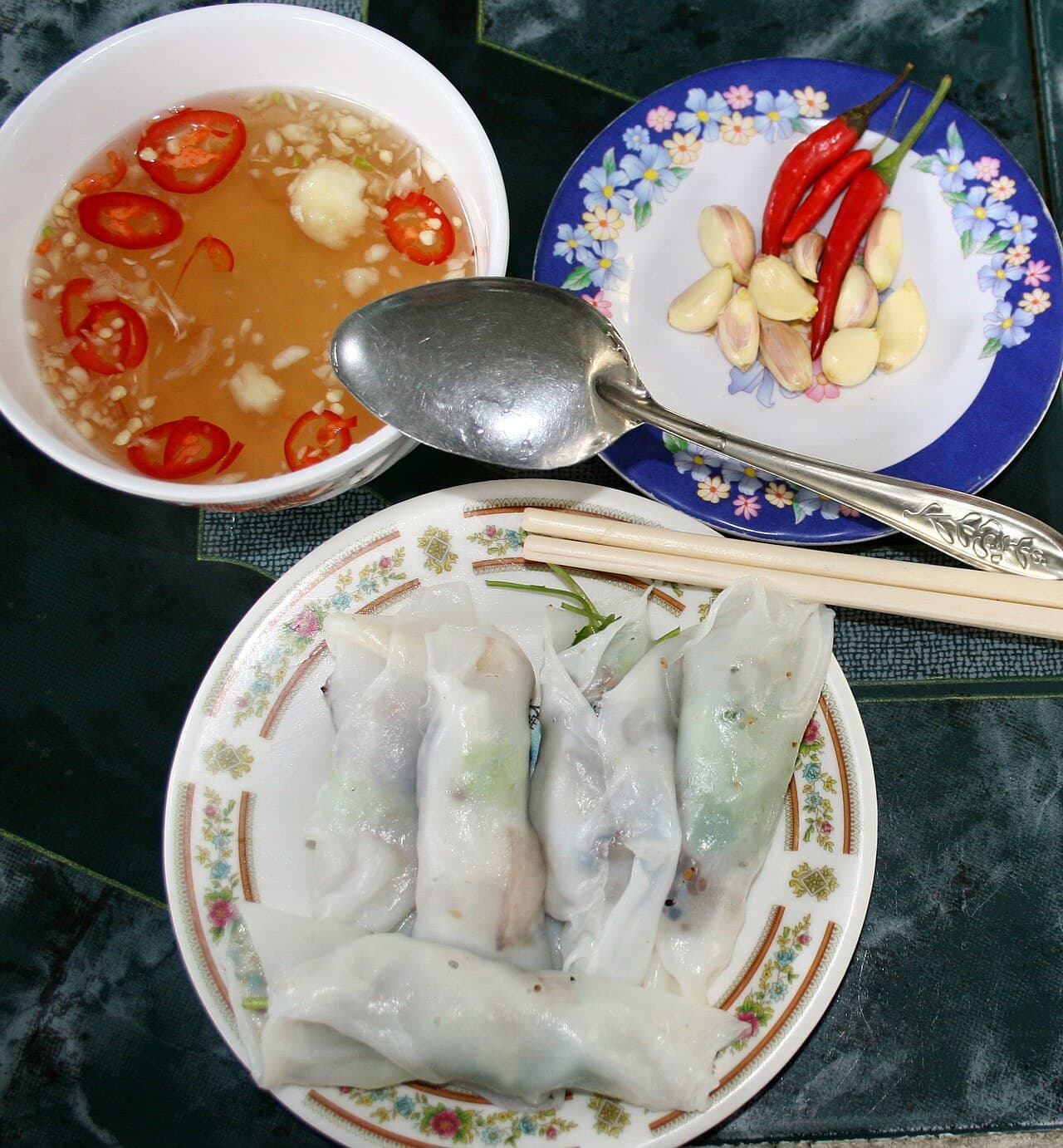
Banh cuon
Rice-flour crepes steamed to order over a cloth stretched across boiling water, rolled around minced pork and wood-ear mushroom, and eaten with fried shallots and dipping sauce. Watching them made is half the point. A breakfast dish that some shops now hold all day.
 Tuan Vy · Pexels
Bun rieu and bun oc
Tomato and freshwater-crab noodle soup, sharp with vinegar and shrimp paste, sometimes with snails instead of crab. The everyday Hanoi lunch that visitors almost never order, and the one locals will tell you about if asked.
 Serg Alesenko · Pexels
Ca phe trung (egg coffee)
Whipped egg yolk and condensed milk beaten into a thick warm meringue and poured over strong Vietnamese coffee. Invented in Hanoi in the 1940s when milk was scarce. It is a dessert, not a drink, and one is enough.
 Flo Dahm · Pexels
Bia hoi
The fresh, unpasteurised draught beer brewed daily and delivered to street corners in kegs, drunk on plastic stools at around 15,000 to 25,000 dong a glass. Not a great beer. A very good ritual, and it stops being sold when the day's barrel runs out.
Hanoi eats by the clock and by the shop. Pho is breakfast and the famous shops sell out by mid-morning; bun cha is lunch and the grills go cold by two; dinner is later and more social, and the beer corners fill from six. Most great places sell exactly one dish, so ordering is a matter of sitting down and holding up fingers. Plastic stools on the pavement are normal and not a lesser option; the kitchen is usually the pavement too. Tea appears free and unasked. Tipping is not expected, though rounding up is increasingly common in tourist-facing places. Cash still rules the small shops even as QR payment has spread everywhere else.
Where to eat
Pho Gia Truyen
institutionA Michelin Bib Gourmand shop where you queue, pay at the counter, carry your own bowl and find a stool. Roughly 50,000 to 60,000 dong depending on the cut. Open early morning and again in the evening, with a long midday gap; the queue at 8am is the correct time to join it.
Last researched 2026-08-03
 Series: Presidential Photographs, 1/20/2009 - 1/20/2017 Collection: Records of the White House Photo Office (Obama Administration), 1/20/2009 - 1/20/2017 · Public domain via Wikimedia Commons
Bun Cha Huong Lien
casualThe shop where Barack Obama and Anthony Bourdain ate in 2016, which the family has monetised with a set "Obama combo" of bun cha, a seafood roll and a beer at around 130,000 dong; the plain bun cha is about 60,000. The fame has not wrecked the grilling. Open through the day, busiest at lunch.
Last researched 2026-08-03
Cha Ca Thang Long
institutionA Bib Gourmand in the 2026 Michelin Guide Vietnam. The pan of turmeric fish arrives already sizzling and you finish it at the table with dill, spring onion, peanuts and noodles. There is effectively one thing on the menu. Open through the day into the evening; go at opening or after eight to avoid the tour groups.
Last researched 2026-08-03
Banh Cuon Gia Truyen Thanh Van
street-foodA new Bib Gourmand in the 2026 Michelin Guide Vietnam, and a shop that has been rolling banh cuon on Hang Ga for generations. Sit where you can see the cloth stretched over the steam pot. Mornings are when it is at its best.
Last researched 2026-08-03
Tam Vi
fine-diningOne Michelin star in the 2026 Michelin Guide Vietnam, in a small house styled like an old tea room. The cooking is northern family food rather than fusion, which is exactly what makes it interesting after three days of street stools. Book several days ahead; the room is small.
Last researched 2026-08-03
 Daderot · CC0 via Wikimedia Commons
Cafe Giang
cafeThe family that claims the invention of ca phe trung in the 1940s, down an alley and up a staircase to a low-ceilinged room of stools. Order it hot the first time. A hundred metres from the water puppet theatre, which makes it the obvious pre-show stop.
Last researched 2026-08-03
Sunrises
 Markus Winkler · Pexels
Hoan Kiem Lake at first light
The lake belongs to Hanoi between 5 and 7am: tai chi in ranks along the eastern path, badminton without a net, running clubs, and old men playing chinese chess on the benches while the mist sits on the water and the Turtle Tower comes out of it. No entry, no ticket, and the best hour in the city.
Year-round; October and November for the clearest air · Any point on the ring road around the lake; the eastern side by Dinh Tien Hoang has the most going on.
 Linh Tran · Pexels
Tran Quoc Pagoda and the Thanh Nien causeway
The causeway between West Lake and Truc Bach at dawn, with the eleven-tier red stupa catching the first light off the water and the lake still enough to hold the reflection. Fishermen on the Truc Bach side, joggers on the West Lake side, and almost no one photographing it before seven.
Autumn and winter mornings, when the mist rises off the lake
 Nguyen Giang · Pexels
Long Bien Bridge over the Red River
Walk out onto the 1902 spans as the market traffic crosses in the half dark: motorbikes stacked with flowers and produce heading for Long Bien market, the train rumbling through the middle, and the banana fields on the sandbank below coming out of the river mist. Industrial, unglamorous and the most photographed dawn in the city for a reason.
Year-round; best on cool misty mornings from November to February
Sunsets
 Christopher Crouzet · CC BY-SA 4.0 via Wikimedia Commons
West Lake from the Thanh Nien causeway
The widest water in Hanoi facing due west, which makes this the city's default sunset and the reason the causeway is full of couples, roasted-sweet-potato sellers and photographers by six. Tran Quoc Pagoda gives the silhouette in the foreground; the far shore does the rest.
Year-round; autumn for the cleanest colour
 Levulinh · CC BY-SA 3.0 via Wikimedia Commons
An Old Quarter rooftop bar
The Old Quarter has no view at street level, so it built one upwards: a run of rooftop bars on the taller hotels looking across the tiled roofs to Hoan Kiem Lake on one side and Long Bien Bridge on the other. Order early, take the rail, and watch the lights come on across a city that is almost entirely low-rise.
Year-round; the terraces are covered or heated in winter · Shoot east towards the river as the sky goes; the lake side blows out against the low sun.
 NKSTTSSHNVN · CC BY-SA 4.0 via Wikimedia Commons
The Sunset Bar over West Lake
The pier bar at the InterContinental, built out over the water on its own jetty so there is nothing between the table and the horizon. Non-residents can walk in for a drink, which makes it the easiest way to buy the best sunset position in Hanoi for the price of one cocktail.
April to October for the warm evenings; it closes down in the coldest weeks · Open to non-guests; a Grab from the Old Quarter takes fifteen to twenty-five minutes depending on traffic.
 Vyacheslav Argenberg · CC BY 4.0 via Wikimedia Commons
Dong Kinh Nghia Thuc square as the walking street starts
On a Friday the square at the lake's northern tip is the moment the weekend begins: the barriers go across at seven, the traffic drains away, and within twenty minutes the tarmac belongs to skateboards, badminton, hip-hop crews and toddlers in electric cars. Less a sunset than a shift change, and better than most sunsets.
Year-round, Friday evenings
Day trips
 Toon Van Dyck · Pexels
Ninh Binh: Trang An, Hang Mua and Hoa Lu
The best day trip in northern Vietnam and the one to protect in the schedule. Trang An is a UNESCO mixed World Heritage site of limestone towers rising out of flooded paddy, toured on small rowing boats that are rowed, remarkably, with the feet, through a chain of water caves. Hang Mua adds roughly 500 steps to a ridge with the classic view down the river valley, and Hoa Lu was the tenth-century capital before Hanoi existed. Around 95km south, comfortably a day.
About 1.5 to 2 hours each way by road · Full day, roughly 12 hours door to door
 Hoàng Hà · Pexels
Lan Ha Bay or Ha Long Bay overnight
Not a day trip and should not be attempted as one: the day-return version means roughly six hours in a van for three hours on the water. The overnight is the whole point, with the bay empty of day boats after four and the karsts at dawn. Lan Ha, off Cat Ba, is the quieter half of the same water and increasingly the better booking. Boats sail from the Ha Long and Haiphong side, and cruise prices generally start around 100 US dollars a head for one night and climb steeply.
About 2.5 to 3 hours each way from the Old Quarter by limousine van, using the expressway · Two days and one night, or three days and two nights
 Nguyễn Viết Minh Lâm · Pexels
Bat Trang ceramic village
The pottery village on the Red River 14km southeast, working clay for six centuries and still doing it commercially rather than as a museum piece. The old lanes are built of the ash-and-clay bricks left over from the kilns, the Van Van ancient house holds a private collection going back to the fifteenth century, and every second workshop will sit you down at a wheel for an hour. The easiest half day out of the city and the best one with children.
About 30 to 40 minutes each way · Half day
 Quangpraha · CC0 via Wikimedia Commons
Duong Lam ancient village
A thousand-year-old village 45km west, built of laterite blocks and mud, with houses that have been in the same families for centuries and two national heroes born within its walls. It is a designated national relic rather than a theme park, so people live in the courtyards you walk through: buy the soy sauce and the peanut candy they make, and accept that the pace is the point.
About 1.5 hours each way · Full day, or a long half day
 Hoàng Việt at vi.wikipedia · Public domain via Wikimedia Commons
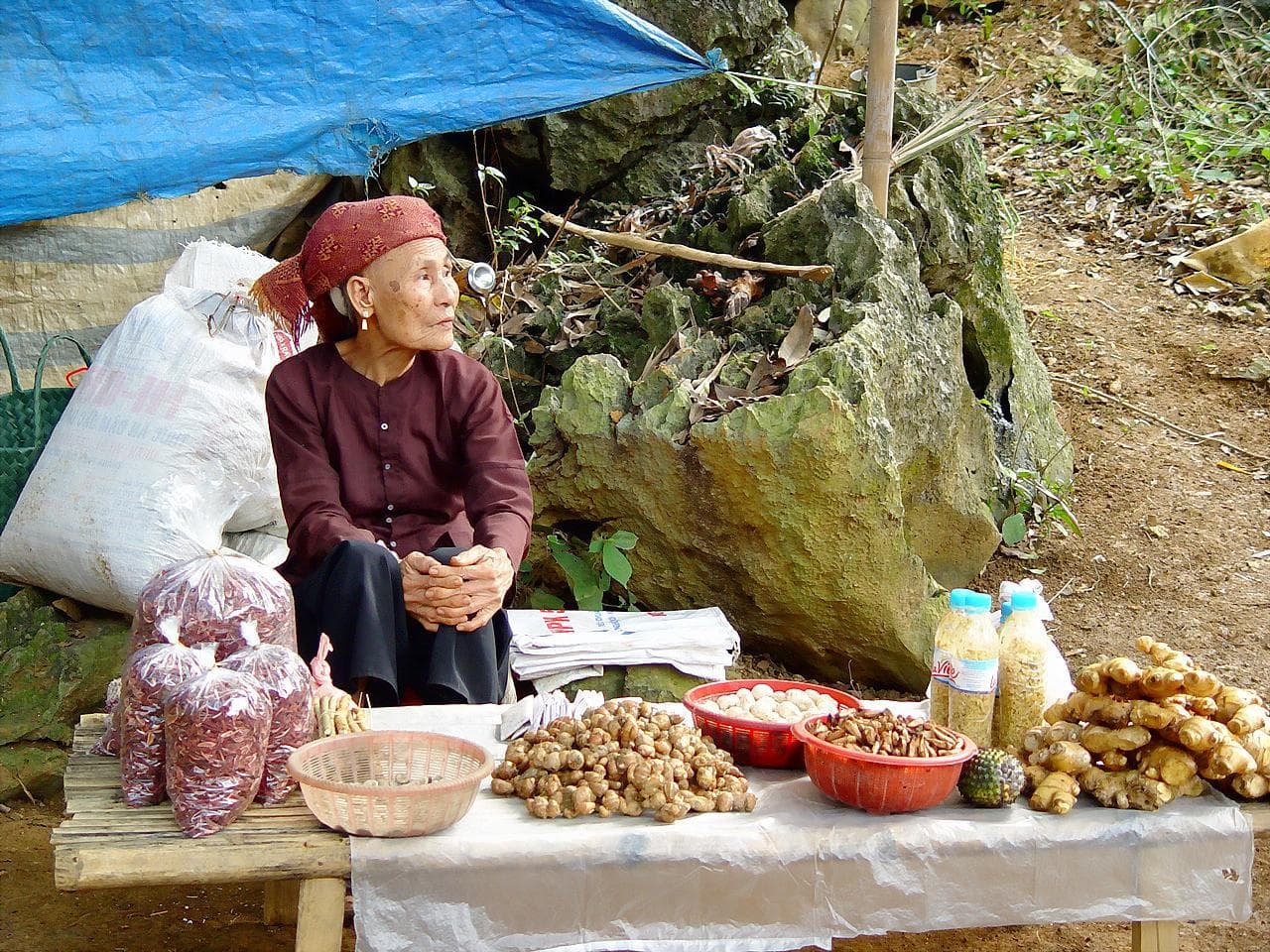
Perfume Pagoda (Chua Huong)
A pagoda complex in the limestone hills 60km southwest, reached by a rowing boat up the Yen stream and then a climb or a cable car to a shrine inside a cave. From the sixth day of the first lunar month it hosts the longest festival in Vietnam and becomes genuinely overwhelming; outside the festival months it is one of the quietest beautiful places within reach of the city. Go on a weekday either way.
About 2 hours each way, plus roughly an hour on the boat · Full day
After dark
 tu nguyen · Pexels
The Hoan Kiem weekend walking street
cultureFrom about seven on Friday evening until midnight on Sunday, sixteen streets around the lake close to traffic and Hanoi comes out to use them: buskers, chess, dance crews, families, food carts, and children driving battery-powered cars into each other. Free, unstaged, and the single best thing to time a trip around.
 Micha Höfer · Pexels
Bia hoi on Ta Hien
barThe corner of Ta Hien and Luong Ngoc Quyen at nine on any evening: plastic stools spilling into the junction, fresh draught at a fraction of a dollar, and grilled skewers arriving from somewhere behind you. It is loud, touristy and completely alive. Go, stay an hour, and sleep somewhere else.
 Dang Hong · Pexels
Water puppets at Thang Long
cultureFifty minutes of lacquered puppets worked on underwater poles by puppeteers behind a bamboo screen, with a live traditional band at the side of the pool. Book a day ahead, sit close enough to watch the musicians, and pair it with egg coffee at Cafe Giang a hundred metres away.
 Đan Thy Nguyễn Mai · Pexels
The Hoa Lo Prison night programme
cultureOn announced evenings, usually at weekends, the prison runs a separate ticketed night programme, lit and narrated, which lands very differently from the daytime walk-through. It is a scheduled production rather than a standing opening, numbers are limited and it books out; check the calendar and arrange it before you arrive.
Daily itinerary
Three days in Hanoi: the lake, the food and the history
The honest minimum for the city itself, built so that day three can extend into Ninh Binh or the bay if the trip allows. Engineer it so one of the evenings is a Friday.
- 1
The Old Quarter on foot
moderateHoan Kiem Lake before seven while the tai chi groups are out, then Ngoc Son Temple as it opens and a first slow lap of the trade streets.Bun cha, wherever the charcoal smoke is coming from around eleven.The rest of the Old Quarter grid: Hang Ma, Hang Thiec, Dong Xuan Market, and a break for egg coffee at Cafe Giang.A rooftop bar over the tiled roofs, looking east towards the river.Cha Ca Thang Long, the one Hanoi dish that is a proper sit-down dinner.Water puppets at Thang Long, booked that morning, then a bia hoi on Ta Hien on the way back.Everything today is walkable inside a kilometre. Watch for the weekend petrol-motorbike restriction if it is a Friday evening; it makes the core quieter, not harder.Estimate: If it is a Friday, hold the evening for the walking street instead and move the puppets to tomorrow.
- 2
Ba Dinh and the museums
fullHo Chi Minh Mausoleum at opening (mornings only, and closed Monday and Friday), then the stilt house, the Presidential Palace grounds and the One Pillar Pagoda in the same complex.Somewhere simple near the Temple of Literature; this is not the eating quarter.The Temple of Literature, then the Imperial Citadel of Thang Long, ending at the archaeological pit across the road that almost nobody crosses to see.Out to the Thanh Nien causeway for Tran Quoc Pagoda against the water.Tam Vi, booked several days ahead, for northern home cooking done seriously.A walk along the West Lake shore, or back to the Old Quarter if the energy is there.Grab between Ba Dinh sites is 30,000 to 50,000 dong a hop; the mausoleum complex itself is all on foot. Check the mausoleum is not in its annual maintenance closure before building the morning around it.Estimate: On a bad-air day, swap the whole afternoon for the Vietnam Museum of Ethnology, which is mostly indoors and better than both, but not on a Monday, when it is closed.
- 3
The other Hanoi
moderatePho Gia Truyen at eight, then Long Bien Bridge on foot and the market underneath it.Banh cuon on Hang Ga, steamed to order in front of you.Hoa Lo Prison, then the Vietnam Museum of Ethnology if it was not done yesterday, or Train Street through a licensed cafe on the Le Duan section.The Sunset Bar out over West Lake, or the causeway again if the budget prefers.Bun Cha Huong Lien, or back into the Old Quarter for whatever the queue is longest for.The walking street if it is a weekend; otherwise a last lap of the lake.One Grab out to the museum and one back is the only real transport cost today. The Museum of Ethnology closes on Mondays, so if today is a Monday do Train Street and Hoa Lo instead and move the museum to another day.Estimate: Trade this whole day for Ninh Binh if the trip has no other spare day; the city can be done in two at a push.
Six days: Hanoi, Ninh Binh and a night on the bay
The city at a sane pace, a full day in the karst landscape at Ninh Binh, and one night on Lan Ha Bay, which is the version of this trip that people come home talking about.
- 1
Arrive and orient
relaxedLand at Noi Bai, about 45 minutes from the Old Quarter, and check in.The nearest pho to the hotel; calibration starts immediately.Hoan Kiem Lake, Ngoc Son Temple and an unhurried first lap of the trade streets.A rooftop bar to see the shape of the city from above before walking it.Bun cha or cha ca, whichever is closer.Early night; tomorrow starts at six.Grab from the airport runs roughly 250,000 to 350,000 dong, the licensed airport taxis a little more, and bus 86 about 45,000 to the Old Quarter.Estimate: Arriving late? Move the lake to tomorrow morning and just eat.
- 2
The Old Quarter properly
moderateThe lake at first light, then the grid street by street with the guild names as the route.Banh cuon on Hang Ga.Dong Xuan Market, the Hang Ma lantern street, and coffee somewhere with a balcony over the traffic.Dong Kinh Nghia Thuc square as the barriers go across, if it is a Friday.Cha Ca Thang Long.Water puppets, then bia hoi on Ta Hien.Entirely on foot.Estimate: A half-day street-food walk with a guide earns its money on this day rather than later.
- 3
Ninh Binh
fullEarly pickup south, then the Trang An boat route through the water caves before the midday boats fill up.Goat and com chay at a local restaurant, the Ninh Binh speciality.Hang Mua and its 500 steps for the valley view, then Hoa Lu if the light holds.On the road back north.Something easy near the hotel; today was long.Rest.Organised tour or private driver both work; the train plus a local driver is the independent version and adds an hour of faff at each end.Estimate: Stay overnight in Tam Coc instead of returning, and rejoin the itinerary tomorrow evening.
- 4
Ba Dinh, then out to the bay
moderateHo Chi Minh Mausoleum at opening, the stilt house and the One Pillar Pagoda, then the Imperial Citadel.Quick and early; the transfer leaves after it.Transfer to the bay, roughly three hours by limousine van, boarding in the late afternoon.On the water, which is the entire argument for the overnight.On board.On deck once the day boats have gone.Cruise operators usually run their own shuttle from the Old Quarter; confirm whether it is included or extra when booking.Estimate: Swap the mausoleum for a slow morning if the transfer time is early.
- 5
The bay and back
relaxedKayaking or a tender into a lagoon before the day boats arrive, then brunch as the boat turns for port.On board or on the road.Transfer back to Hanoi, arriving mid to late afternoon.The Thanh Nien causeway and Tran Quoc Pagoda.Tam Vi, booked before the trip started.A quiet lap of West Lake, or the walking street if it is a weekend.Boats dock late morning and hotels are usually reached by 15:30 to 16:00; do not book anything before five.Estimate: A second night on the bay is the single best upgrade available in this itinerary.
- 6
Museums, markets and out
relaxedPho Gia Truyen, then the Vietnam Museum of Ethnology, which needs three hours and deserves them, on any day but a Monday when it is closed.Bun cha at Huong Lien on the way back in.Hoa Lo Prison, then Bat Trang for pottery if the flight is late, or the silk shops on Hang Gai if it is not.Long Bien Bridge, looking down at the sandbank fields.Last bowl of whatever the trip decided was the best thing.Flight out, or one more night and leave at leisure.Allow 45 minutes to an hour to Noi Bai and more in the evening rush; Grab is the painless version.Estimate: Duong Lam ancient village instead of the museum if rural architecture appeals more than ethnography.
Getting around
- Noi Bai International Airport (HAN) is about 27km north of the centre, 40 to 60 minutes depending on traffic. Grab to the Old Quarter runs roughly 250,000 to 350,000 dong; the licensed airport taxi companies charge a little more on a fixed fare; hotel transfers cost the most and remove all argument. Bus 86 is the cheap option at around 45,000 dong, running roughly every 20 to 30 minutes from about 06:30 to 23:30, ending at Hanoi railway station via several Old Quarter stops, and it is cash only.
- The reunification railway runs south to Hue, Da Nang and Ho Chi Minh City from Hanoi station; the Hue and Da Nang overnight sleepers are the civilised way to start a coast-to-coast trip. Separate northern lines run to Lao Cai for Sapa, again best overnight, and east towards Haiphong from the smaller Long Bien and Gia Lam stations.
- Limousine vans, which are nine-seat minibuses with reclining seats, are the standard intercity option: three hours or so to Ha Long and Cat Ba, five to six to Sapa, four to Mai Chau, booked by phone or app and usually with hotel pickup.
- Long-distance buses use several terminals depending on direction: My Dinh for the north and west, Giap Bat and Nuoc Ngam for the south, Gia Lam for the east. Confirm which terminal before booking, they are not close to each other.
- Grab is the default for everything: 30,000 to 80,000 dong for most rides inside the centre, priced up front, and the app also does motorbike taxis at roughly half that if you are comfortable on the back of a bike in Hanoi traffic. Xanh SM, the electric-taxi fleet, is the main alternative and often cleaner and quieter.
- Walking is the right way to do the Old Quarter and the lake, and a poor way to do anything else. Pavements are parking spaces here, so most walking happens in the road; move predictably and let the traffic flow around you rather than stopping dead.
- The metro has two lines so far. Line 2A (Cat Linh to Ha Dong) opened in 2021 and Line 3's elevated western section (Nhon to Cau Giay) opened in August 2024; the underground continuation to Hanoi station is still under construction and is not expected before 2027. Neither line serves the Old Quarter, so for most visitors the metro is a novelty rather than transport.
- Public buses are extensive, very cheap and hard to use without Vietnamese or a mapping app that speaks the routes. Bus 86 to the airport and bus 47A to Bat Trang are the two that visitors actually use.
- Cyclos still work the Old Quarter and are essentially a photograph rather than transport. Agree the price and the duration in writing before getting in; this is the single most common overcharging complaint in the city.
- Renting a motorbike is legal but demands a Vietnamese licence or a valid International Driving Permit with a motorcycle endorsement, and Hanoi traffic is not the place to learn. Most travel insurance voids on an unlicensed crash.
Things worth knowing
- · Booking December to February because it is the dry season, without checking the air. Those are the months when Hanoi most often appears in the world top ten for pollution, and January to March 2026 saw it hit number one.
- · Sleeping on Ta Hien or Luong Ngoc Quyen and expecting to sleep. The beer corner runs late; one block away is a completely different night.
- · Treating Ha Long Bay as a day trip. Six hours in a van for three hours on the water, arriving in the middle of the day when every other boat is there, is the worst version of a genuinely great thing.
- · Leaving pho for lunch or dinner. The celebrated shops are breakfast operations that sell out by mid-morning and reopen only in the evening, if at all.
- · Arriving at the Ho Chi Minh Mausoleum in the afternoon, on a Monday or Friday, or during the annual maintenance closure. It is mornings only, five days a week, and shut for weeks at a stretch.
- · Getting into a cyclo without agreeing the price and the route first. This is where visitors most reliably lose money in Hanoi.
- · Turning up at the barricaded northern section of Train Street expecting the photograph. Group tours were banned in 2025; the Le Duan section through a licensed cafe is the version that works.
Budget
| Low | Expected | Comfortable | |
|---|---|---|---|
| Accommodation style / per night | ₫500,000≈ $19 | ₫2,000,000≈ $77 | ₫7,000,000≈ $270 |
| Food style / per day | ₫200,000≈ $8 | ₫600,000≈ $23 | ₫1,800,000≈ $69 |
| Local transport / per day | ₫30,000≈ $1 | ₫150,000≈ $6 | ₫600,000≈ $23 |
| Estimate / per day | ₫40,000≈ $2 | ₫200,000≈ $8 | ₫600,000≈ $23 |
Estimate · VND · 2026-08-03. Accommodation is per room per night for two sharing. Hanoi is one of the best-value capitals in Asia and the gap between a 500,000-dong guesthouse and a 2,000,000-dong boutique room buys a lift, a spa and a quieter street rather than a different city. Food is where the value is most extreme: a Michelin Bib Gourmand bowl of pho is 50,000 to 60,000 dong and a glass of bia hoi is under 25,000, so eating well costs almost nothing and eating at a starred restaurant costs a fraction of the European equivalent. The two line items that dominate a real budget are the bay cruise, from roughly 2.5 million dong a head for one night and climbing steeply, and organised day trips to Ninh Binh. Tet and the Christmas and New Year weeks run well above these figures. · 1 USD = ₫25,960 (17 Sep 2026)
Things worth knowing
Frequently asked questions
How many days do you need in Hanoi?
Three nights for the city itself: one for the Old Quarter and the lake, one for Ba Dinh and the museums, one for the food, the bridge and whatever the first two days made you want to go back to. Five or six nights lets you add Ninh Binh as a day trip and one night on the bay, which is the trip most people actually want.
When is the best time to visit Hanoi?
October and November, without much argument: warm days, cool evenings, little rain and the cleanest air of the year. March is the mild, cheap, grey alternative. The dry winter months from December to February get recommended for the weather and are the worst months for pollution, and June to August is hot, humid and the wettest stretch of the year.
Is air pollution in Hanoi really a problem for visitors?
It is a real consideration rather than a reason not to go. Through the winter of 2026 Hanoi repeatedly appeared in the world top ten most polluted major cities and reached number one on 31 March with an AQI above 160, and its annual average PM2.5 is many times the WHO guideline. Healthy adults on a short trip will notice it as haze and a scratchy throat. Anyone with asthma, respiratory conditions or young children should plan for autumn, check an AQI app daily, and keep the Vietnam Museum of Ethnology and Hoa Lo Prison in reserve as indoor days.
Where should you stay in Hanoi for the first time?
The Old Quarter, but a lane or two off the bar streets: everything a first visit wants is within a fifteen-minute walk and the noise is entirely a function of which block you book. The French Quarter is the calmer, grander, more expensive version ten minutes further south, Tay Ho on West Lake trades immersion for space and better air, and Ba Dinh is a quiet middle ground beside the monuments.
What should you eat in Hanoi, and when?
Pho for breakfast, before the good shops sell out mid-morning. Bun cha for lunch, following the charcoal smoke around eleven. Banh cuon in the morning, cha ca as a sit-down dinner, bun rieu when you want what everyone around you is actually eating, and egg coffee once in the afternoon. Shops that sell one dish are the rule; shops with a laminated multi-cuisine menu are the exception you skip.
Is Hanoi Train Street still open?
Partly. Organised group tours were banned in March 2025 and the famous northern section near Phung Hung is barricaded and policed, so walking up to it will get you turned away. The Le Duan section near the main railway station has stayed accessible in practice to individual visitors who go in as a customer of one of the cafes on the lane, which is a tolerated arrangement rather than an officially sanctioned one and could end without notice. It is quieter and less staged, and it is the same railway. Confirm the day's timetable with the cafe rather than trusting a schedule found online.
Can you do Ha Long Bay as a day trip from Hanoi?
You can, and it is the wrong way to see it. The day version means roughly six hours in a van for three hours on the water, arriving in the middle of the day when every other boat is there. One night on board, with the bay after the day boats leave and the karsts at dawn, is a completely different experience for not much more money. Lan Ha Bay off Cat Ba is the quieter half of the same water and is increasingly the better booking.
Do you need a visa for Vietnam?
Twenty-four nationalities, including most of western Europe, Japan and South Korea, enter visa-free for 45 days. Everyone else applies for the e-visa online through the Vietnamese government portal, which now allows stays of up to 90 days on either a single or multiple entry basis, costs a modest official fee and takes a few working days. Apply on the government site itself; the agency lookalikes charge several times the price for the same document.
What is the July 2026 motorbike restriction and does it affect visitors?
Hanoi has started removing fossil-fuel motorbikes from its centre in phases. From 1 July to 31 December 2026 the pilot covers eleven streets in the Hoan Kiem core, restricting petrol motorbikes from 18:00 to midnight on Friday and from 06:00 to midnight on Saturday and Sunday, with wider zones planned for 2027 and the full Ring Road 1 area by 2029. In practice it makes the Old Quarter noticeably calmer to walk at the weekend, and it means a ride-hailing motorbike may not be able to drop you at your door inside the zone on those days. Cars are not part of this phase.
Sources (12)
- Hanoi air quality rankings and PM2.5 levels through the 2026 winter and spring · reputable-local · 2026-08-03
- Hanoi fossil-fuel motorbike restriction phases, zones, streets and hours from 1 July 2026 · reputable-local · 2026-08-03
- Michelin Guide Vietnam 2026 star and Bib Gourmand selections in Hanoi · reputable-local · 2026-08-03
- Central Sector of the Imperial Citadel of Thang Long UNESCO World Heritage inscription and history · unesco · 2026-08-03
- Trang An Landscape Complex UNESCO mixed World Heritage inscription · unesco · 2026-08-03
- Vietnam e-visa 90-day validity and the 45-day unilateral visa exemption list · tourism-board · 2026-08-03
- Hanoi Metro Line 3 elevated section opening and underground section timeline · government · 2026-08-03
- Noi Bai airport to Old Quarter transport options, times and fares including bus 86 · transport-operator · 2026-08-03
- Sofitel Legend Metropole Hanoi history, wings and accommodation · official · 2026-08-03
- Capella Hanoi room count, Bill Bensley design and Hibana by Koki · official · 2026-08-03
- Hoan Kiem weekend walking street streets, days and hours · independent-travel · 2026-08-03
- Hanoi Train Street access restrictions and the 2025 group-tour ban · independent-travel · 2026-08-03