France · Provence-Alpes-Cote d’Azur
French Riviera (Cote d'Azur)
Spend two or three nights in Nice for the Old Town, the museums and the Promenade des Anglais, a night or two around Antibes or Cannes for the coast and the Croisette, and at least a day inland for Eze and Saint-Paul-de-Vence. Add Monaco or the Gorges du Verdon as day trips.
 Patrice Semeria / CC BY-SA 3.0 via Wikimedia Commons
Overview
The French Riviera is the strip of Mediterranean coast between Cassis and Menton. Its central city, Nice, was inscribed on the UNESCO World Heritage List in 2021 as a Winter Resort Town of the Riviera, recognizing two centuries of British, Russian and French aristocrats wintering in a city built to receive them. The same short stretch of coast holds the Cannes Film Festival’s red carpet, Picasso’s old studio in an Antibes castle, Matisse’s and Chagall’s dedicated museums, and medieval hill villages like Eze and Saint-Paul-de-Vence a short drive above the sea.
Do not try to see the whole coast from a single base. The train makes Nice, Cannes, Antibes, Monaco and Menton a single day-trippable network, but the hill villages and the wilder corniche viewpoints reward at least one or two days with a car.
Best for
Couples · Art and museum lovers · First-time visitors to the south of France · Combining beach time with culture · Foodies
Daily itinerary
6 to 8 days
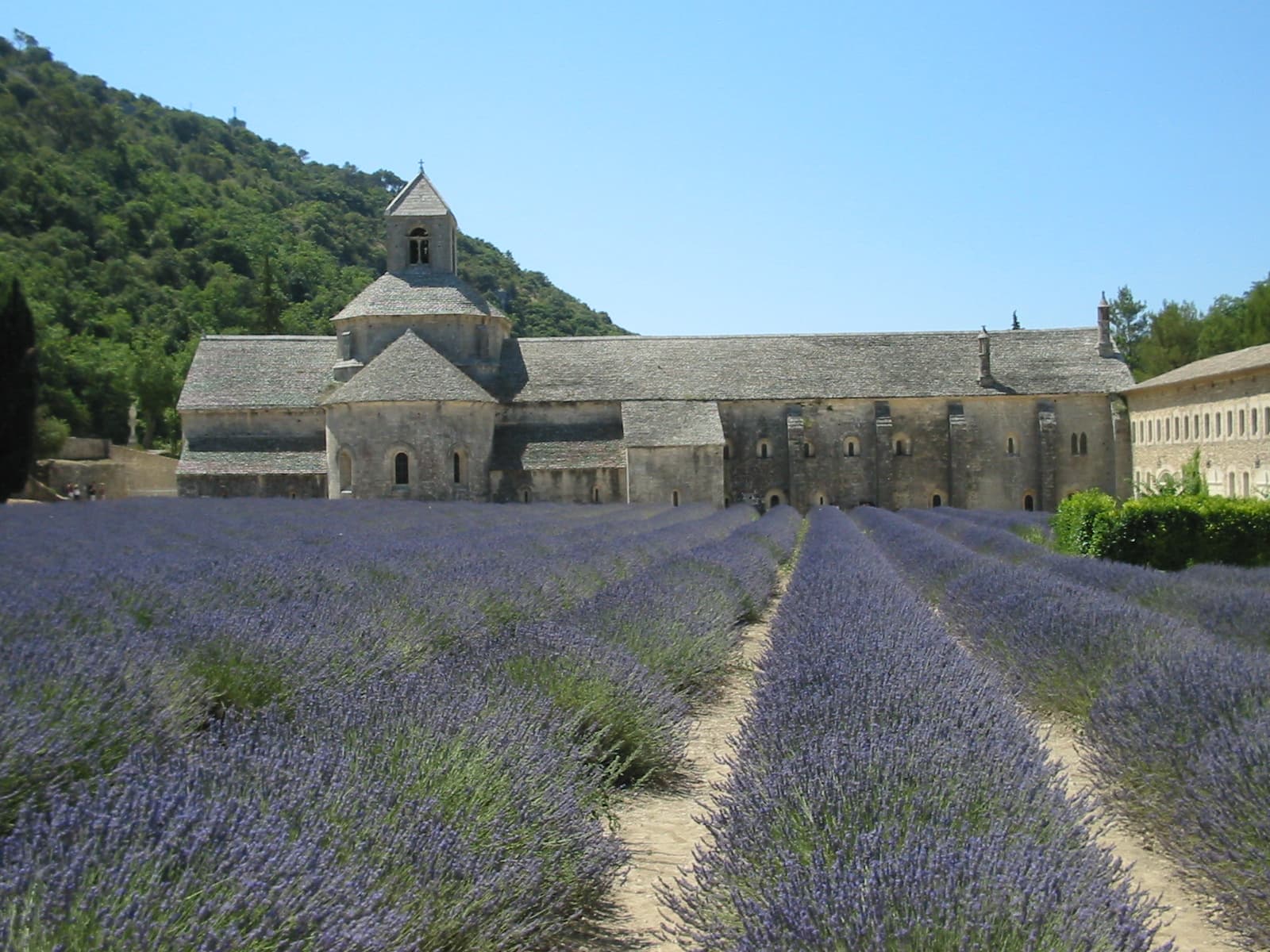
Unlike the lavender fields and hilltop villages of inland Provence, the Riviera is dense and coastal: a 15-minute train ride can take you from a Belle Epoque promenade to a private beach club, and half an hour by road puts you in a medieval hill village.
Best time to visit
May, June, September and early October are the months we would aim for, with the mid-May festival fortnight the one week to avoid. The sea is warm, the light lasts, and both crowds and prices sit below July and August, when the coast is at its busiest and hottest.
- February to March: Nice Carnival and the Fete du Citron in Menton bring crowds and events despite the cool weather; sea too cold to swim.
- May: Good weather and long days, but the Cannes Film Festival (mid-May) fills hotels along the whole coast and pushes up prices even outside Cannes.
- June: Warm sea and long days, before the July price surge.
- July to August: Peak heat, peak crowds, peak prices; book hotels, beach clubs and the Lerins Islands ferries well ahead.
- September to October: Warm sea, softening crowds, and hotel prices below the summer peak.
Things worth knowing
- Nice Carnival (Carnaval de Nice), February: parades and flower battles along the coast.
- Fete du Citron, Menton, mid-February to early March: a citrus-themed festival with sculpted fruit floats.
- Cannes Film Festival, mid-May: hotel prices rise along the whole coast, not only in Cannes.
- Monaco Grand Prix, late May: a Formula 1 street race through Monte-Carlo that also raises prices along the eastern Riviera.
Where to stay
 AXP Photography · Pexels
Nice
The regional hub and the UNESCO-listed heart of the Riviera: the Promenade des Anglais along the Baie des Anges, the Old Town (Vieux Nice) of pastel facades and the Cours Saleya market, and the hilltop Colline du Chateau above it all. A convenient base for train access to the rest of the coast.
Best for: First-time visitors · Museums · Food · Train access to the whole coast
Nice beaches are pebble, not sand; parking in the centre is scarce and expensive.
 Balázs Gábor · Pexels
Cannes
Known for La Croisette, the palm-lined seafront boulevard, and the Palais des Festivals where the film festival is held each May. Away from the seafront are the old fishing quarter of Le Suquet and the Vieux-Port, where the ferry to the Lerins Islands leaves.
Best for: Glamour · Beach clubs · Boat trips to the Lerins Islands
Prices multiply during the film festival (mid-May); private beach clubs dominate the best stretches of sand.
 AXP Photography · Pexels
Antibes and Juan-les-Pins
A walled old town on a small peninsula, home to the Picasso Museum in the seafront Chateau Grimaldi, plus the Cap d’Antibes headland of pine-shaded coastal paths and grand hotels, and the Art Deco resort strip of Juan-les-Pins next door.
Best for: Art history · Coastal walking paths · A quieter alternative to Cannes
The old town is compact and can feel crowded at midday in summer; Juan-les-Pins nightlife is loud in July and August.
 x360o · Pexels
Eze and the corniche villages
A cliffside medieval village between Nice and Monaco, best known for the ramparts and the panoramic Jardin Exotique, plus the harbour town of Villefranche-sur-Mer just below on the coast. The three corniche roads along this stretch are themselves a scenic reason to have a car for a day.
Best for: Viewpoints · A short hill-village visit · Scenic driving
Eze village is steep, cobbled and genuinely crowded at midday; parking is limited and a short walk from the entrance.
 Pom² · CC BY-SA 3.0 via Wikimedia Commons
Saint-Paul-de-Vence
An inland walled hill village above Nice, long associated with 20th-century artists through the Fondation Maeght and the artist-filled inn La Colombe d’Or. Quieter and greener than the coast, with views back down to the sea.
Best for: Art lovers · A calmer, inland alternative to the coast
No train access; a car or taxi from Nice or Antibes is needed, about 30 to 45 minutes each way.
Where to sleep
Le Negresco
luxury · Nice, Promenade des Anglais
Best for: A landmark Belle Epoque stay · Art and history · Central Nice location
- A Nice institution since 1913, right on the Promenade des Anglais
- Rooms and public spaces built around an eclectic private art collection
- Le Chantecler, the hotel’s in-house restaurant
- Traditional decor will not suit travelers wanting minimalist or modern design
- Front-facing rooms hear promenade traffic and pedestrians
- Among the most expensive rooms in Nice
Hotel du Cap-Eden-Roc
luxury · Cap d’Antibes
Best for: A once-in-a-trip splurge · Old-Riviera glamour · Privacy on a private headland
- A nine-hectare private park at the tip of Cap d’Antibes, open since 1870
- Multiple on-site restaurants including the Eden-Roc pavilion over the sea
- Part of the Oetker Collection
- Among the most expensive hotels in Europe, out of reach for most budgets
- Seasonal, generally open only spring through autumn
- Removed from town; a car or taxi is needed for Antibes and beyond
Carlton Cannes, a Regent Hotel
luxury · Cannes, La Croisette
Best for: Film-festival glamour · A Croisette-front address · Classic Cannes
- On La Croisette since 1911
- Private beach and pier directly across from the hotel
- Multiple restaurants, and a long association with the film festival
- Prices spike sharply during the Cannes Film Festival in mid-May
- Busy, touristic stretch of the Croisette right outside
- Formal, traditional style over intimate or boutique character
La Colombe d’Or
unique · Saint-Paul-de-Vence
Best for: Art lovers · A distinctive, non-chain stay · Dining as much as sleeping
- A small inn whose walls and terraces are hung with original works, informally collected from 20th-century artist guests
- A well-regarded restaurant and shaded terrace that draw day visitors as well as guests
- An independent house rather than part of a hotel group
- Rooms are simpler than the art-world reputation might suggest
- No swimming pool of resort scale
- Books out well ahead in high season; no car needed on site but one is needed to get here
Welcome Hotel
boutique · Villefranche-sur-Mer
Best for: A harbourfront base between Nice and Monaco · A quieter, non-Nice coastal stay · Corniche exploring
- A 1710 building on the harbour of Villefranche-sur-Mer, with past guests including Jean Cocteau and Winston Churchill
- Rooms with balconies over the bay
- Well placed for the corniche roads toward Eze and Monaco
- Small property with limited room count
- No pool or resort facilities; the setting is the harbour
- Villefranche-sur-Mer station is on the coastal TER line but sits above the harbour, so arriving with luggage means a steep walk down or a taxi
Essential experiences
 W. M. Connolley · CC BY-SA 3.0 via Wikimedia Commons
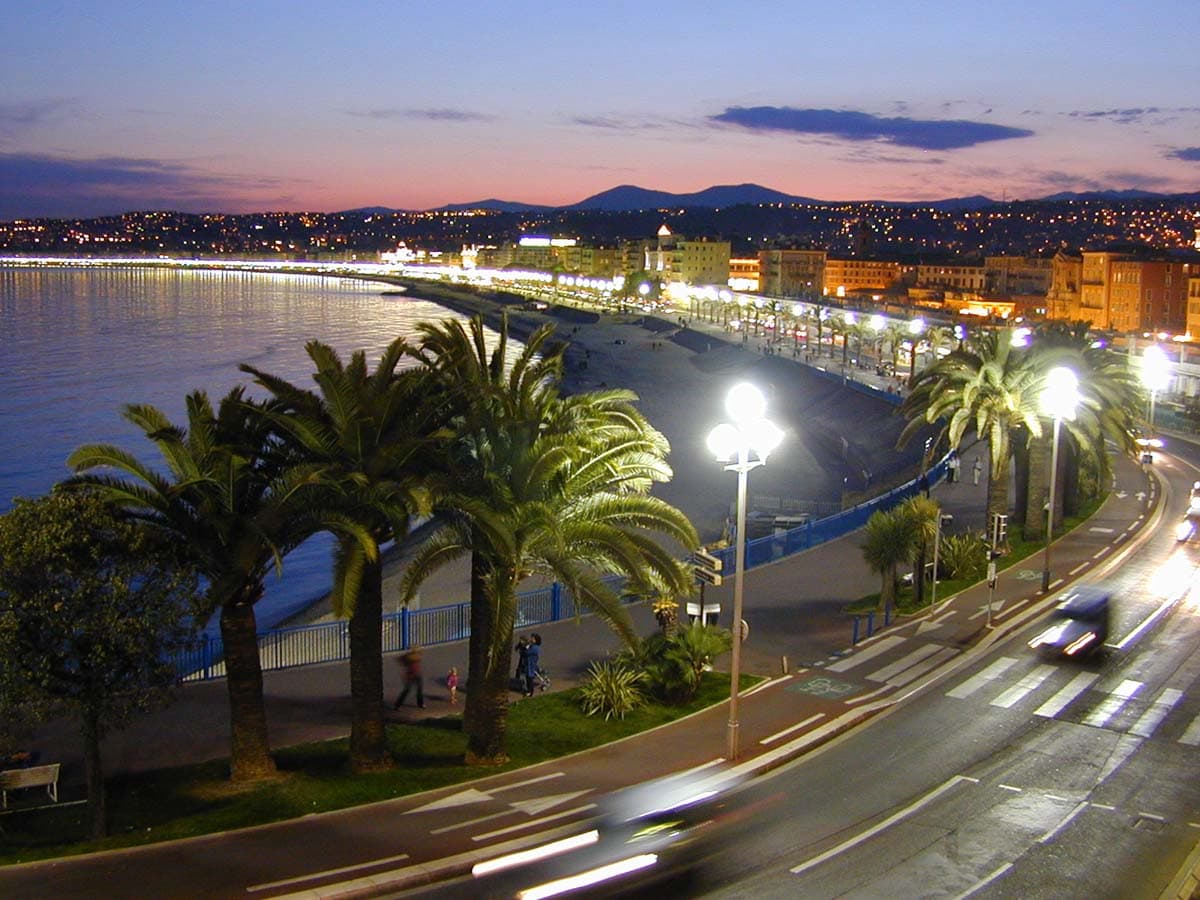
Promenade des Anglais and the Baie des Anges
Nice’s seven-kilometre seafront walkway, laid out from 1824 and named for the British residents who funded it, and a centrepiece of the city’s 2021 UNESCO inscription as a Winter Resort Town of the Riviera.
 CHRIS BONTEMPS from NICE, FRANCE · CC BY-SA 2.0 via Wikimedia Commons
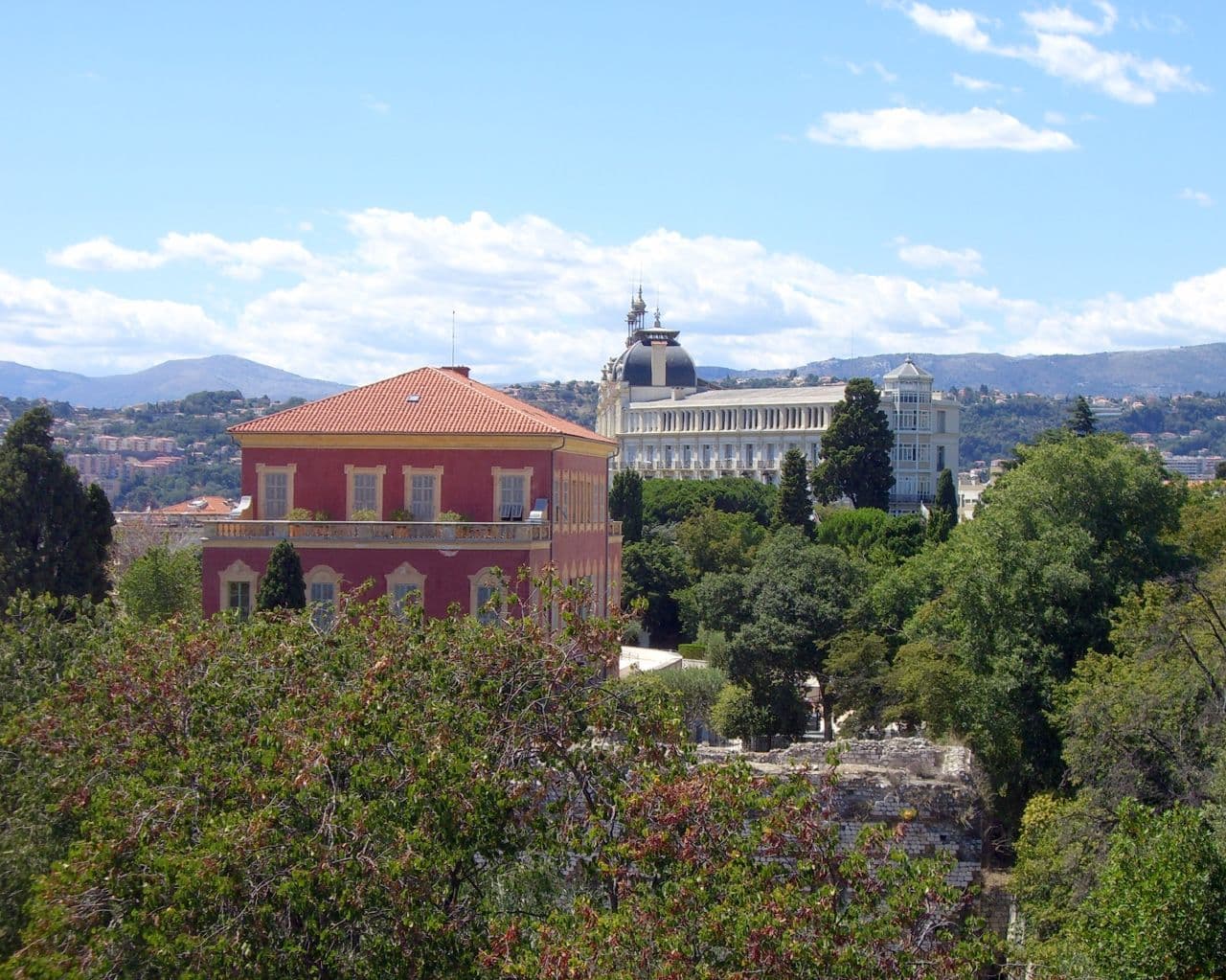
Musee Matisse
A collection of nearly 600 Matisse works spanning his career, housed in a restored Genoese villa in the olive-grove setting of the Cimiez gardens above Nice.
 Derbrauni · CC BY-SA 4.0 via Wikimedia Commons
Musee National Marc Chagall
Opened in 1973 with Chagall’s own involvement, the first national museum in France dedicated to a living artist, holding nearly 1,000 works across painting, drawing, ceramics and sculpture.
 x360o · Pexels
Musee Picasso, Chateau Grimaldi
A seafront medieval castle in Antibes' old town where Picasso worked in 1946, leaving behind the paintings and sketches that became the founding collection of the museum that opened in his name in 1966.
 Laura Paredis · Pexels
Fondation Maeght
A hillside modern-art foundation above Saint-Paul-de-Vence, established in 1964 as the first independent modern-art foundation in France, with more than 13,000 works across its collection.
 Balázs Gábor · Pexels
La Croisette and the Palais des Festivals
Cannes' palm-lined seafront boulevard, and the Palais des Festivals et des Congres, which hosts the Festival de Cannes each May.
Jardin Exotique d’Eze
A botanical garden of succulents set in the ruins of Eze’s medieval fortress, 429 metres above the sea, with a panorama that stretches from Italy toward Saint-Tropez on a clear day.
 SlimMars 13 · Pexels
Iles de Lerins
Two small islands a 15 to 20 minute ferry ride from Cannes' Vieux-Port: pine-forested Sainte-Marguerite with its Man in the Iron Mask fortress, and the quieter monastic island of Saint-Honorat.
 Ioan Sameli / CC BY-SA 2.0 via Wikimedia Commons
 Wikimedia Commons / CC BY-SA 3.0 via Wikimedia Commons
Food & drink
 Tjkawa · CC BY-SA 3.0 via Wikimedia Commons
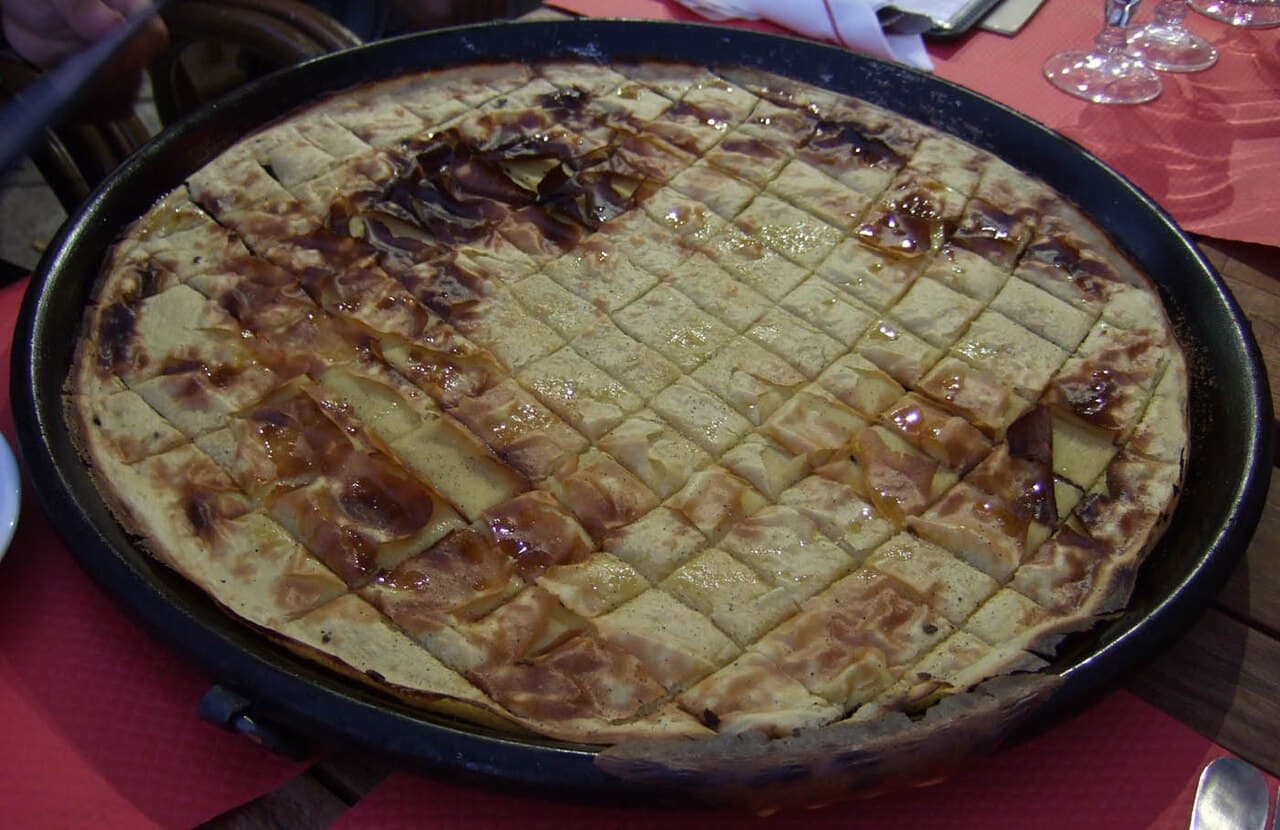
Socca
A chickpea-flour galette cooked in a wood-fired oven until crisp at the edges, eaten hot with the fingers and a grind of pepper.
 Nadine Ginzel · Pexels
Pissaladiere
A bread-dough tart topped with slow-cooked onions, anchovies and black olives, named for pissalat, an older salted-fish preparation.
 Alejandra Montenegro · Pexels
Salade Nicoise
The genuine Nice version skips potatoes, rice and mayonnaise, built instead around tomatoes, olives, anchovies or tuna, and hard-boiled egg.
 Yasin Onuş · Pexels
Pan Bagnat
The ingredients of a salade nicoise pressed into a round bread roll moistened with tomato and olive oil, a portable version of the same salad.
 Edita Brus · Pexels
Ratatouille
A slow-cooked vegetable stew of aubergine, courgette, pepper and tomato, associated with Nice and the wider Provencal coast.
Nice is one of only two French cities, alongside Lyon, whose local cooking is officially recognized under the city’s own name (cuisine nicoise). Restaurants away from the seafront and the Croisette tend to take the classics more seriously than tourist-facing terraces.
Where to eat
La Merenda
institutionRun by chef Dominique Le Stanc, a former head chef at Le Negresco’s Chantecler; more than sixty years of Nicoise cooking, no phone, no card payments, cash and a queue.
Last researched 2026-07-15
Chez Pipo
institutionFounded in 1933 and cooking socca on one of the city’s oldest ovens; a straightforward, no-frills place built entirely around the dish.
Last researched 2026-07-15
La Petite Maison
fine-diningA long-established Old Town address for Mediterranean and Nicoise dishes; reviews on service are mixed, book ahead regardless.
Last researched 2026-07-15
Sunrises
 Heino Ruiso · CC BY-SA 3.0 via Wikimedia Commons
Promenade des Anglais, Baie des Anges
The bay curves east to west, so early light comes in low and gold across the water along the full length of the promenade, best experienced before the joggers and cyclists arrive.
Year-round
Phare de la Garoupe, Cap d’Antibes
A lighthouse and chapel on the wooded spine of Cap d’Antibes, with an open panorama across the bay toward Nice and the Alps that catches the first light well before the headland’s beaches fill up.
April to October
Sunsets
 Huy Phan · Pexels
Colline du Chateau, Nice
The hilltop park above the Old Town, on the site of Nice’s former castle, looks straight down the Baie des Anges and catches the sunset over the Promenade des Anglais and the Alps behind it.
Year-round
Jardin Exotique d’Eze
The garden’s western terraces face the sea toward Cap Ferrat and Cap d’Antibes.
April to October
 Funda D. · Pexels
La Croisette, Cannes
The seafront boulevard faces roughly southwest across the Bay of Cannes toward the Esterel massif and the Lerins Islands, giving long, warm sunsets over water in view of the Palais des Festivals.
Year-round
Day trips
 Unknown authorUnknown author · Public domain via Wikimedia Commons
Monaco and Monte-Carlo
The Principality of Monaco, a short train ride east: the Prince’s Palace on the Rock, the Monte-Carlo Casino quarter, and the Oceanographic Museum.
About 20-30 minutes by TER train from Nice · Full day
 Benh LIEU SONG · CC BY-SA 3.0 via Wikimedia Commons
Gorges du Verdon and Lac de Sainte-Croix
Europe’s largest canyon, roughly two hours inland by road, with the turquoise Lac de Sainte-Croix at its foot and the pottery village of Moustiers-Sainte-Marie nearby.
About 2 to 2.5 hours by car each way from Nice · Full day
 Tranmautritam · Pexels
Iles de Lerins boat day
A short ferry from Cannes to Sainte-Marguerite and Saint-Honorat: pine forests, the Man in the Iron Mask’s fortress, and a working monastery on the smaller island.
15 to 20 minutes by ferry from Cannes · Half to full day
After dark
 Jakub Zerdzicki · Pexels
Cours Saleya night market and Vieux Nice
walkThe flower-and-produce market square in the Old Town shifts to restaurant terraces after dark; a slow walk through the lanes around it is the classic Nice evening.
 Gaetan THURIN · Pexels
Sunset apero on La Croisette, dinner in Le Suquet
foodA drink facing the Bay of Cannes as the light fades, then dinner up in Le Suquet, Cannes' old hilltop quarter, away from the Croisette crowds.
Daily itinerary
Six days on the French Riviera: Nice, the coast and the hill villages
Three nights based in Nice using the train for day trips, then two nights toward Antibes and Cannes, with the hill villages inland visited by day. A car is useful from day 4 onward.
- 1
Arrival and Vieux Nice
relaxedArrive and settle into Nice; a first walk along the Promenade des Anglais.Socca at Chez Pipo.Wander Vieux Nice and the Cours Saleya market.Colline du Chateau for the view over the bay.Nicoise classics at La Merenda (arrive early, no reservations taken by phone).A slow walk back through the Old Town.No car needed; central Nice is entirely walkable.Estimate: Swap the market for the Musee Massena on the Promenade if it is a Monday (many food markets close, and Nice's museums close on Tuesdays rather than Mondays).
- 2
Nice museums
moderateMusee Matisse in the Cimiez gardens.A cafe near Cimiez or back in the centre.Musee National Marc Chagall.Promenade des Anglais.La Petite Maison (book ahead).Quiet night before the day trip.Bus or a short taxi ride to Cimiez; otherwise walkable from the centre.Estimate: Skip one Cimiez museum and add the Musee Massena downtown instead.
- 3
Monaco day trip
moderateTrain to Monaco; the Rock and the old town.Lunch in Monaco-Ville.Prince’s Palace (seasonal opening) or the Oceanographic Museum.Back on the coast near Eze if timing allows, or in Monaco itself.Dinner back in Nice.Return train to Nice.SNCF TER train both ways; no car needed.Estimate: Break the trip at Eze on the way back if travelling by car instead of train.
- 4
Antibes and the Cap
moderateCollect a rental car; drive to Antibes for the Musee Picasso in the Chateau Grimaldi.Lunch in the Antibes old town.Walk part of the Cap d’Antibes coastal path.Phare de la Garoupe or a Juan-les-Pins beach.Dinner in Antibes or Juan-les-Pins.Overnight near Antibes or Cannes.Car from today; Antibes is also reachable by train if you prefer to stay based in Nice.Estimate: Base the whole day in Cannes instead and take the Lerins Islands ferry.
- 5
Cannes and the Lerins Islands
fullDrive or train to Cannes; La Croisette and the Palais des Festivals.Lunch near the Vieux-Port before the ferry.Ferry to Sainte-Marguerite for a walk and a swim.La Croisette on the way back.Dinner in Le Suquet, the old town above the port.Evening in Cannes.Ferry booking recommended in summer; car or train to reach Cannes.Estimate: Swap the islands for a slower afternoon in Le Suquet if the ferry is fully booked.
- 6
Saint-Paul-de-Vence and departure
relaxedDrive inland to Saint-Paul-de-Vence; the Fondation Maeght.Lunch at or near La Colombe d’Or.Wander the walled village; last souvenir shopping.Return the car and depart via Nice Cote d’Azur Airport.Leave buffer time for returning the rental car near the airport.Estimate: If flying out later, add a final swim at a Nice beach before the airport.
Getting around
- Nice Cote d’Azur Airport (NCE) is the main international gateway to the region, with tram line 2 connecting the airport directly to the city centre and the port.
- TGV high-speed trains connect Nice and Marseille/Paris; the regional coast is then covered by SNCF TER trains.
- SNCF TER regional trains run frequently along the coast between Cannes and Menton via Nice and Monaco, making a car unnecessary for the main coastal towns.
- Nice has a tram network covering the city centre and the airport; buses reach further suburbs.
- A rental car is the practical way to reach Eze, Saint-Paul-de-Vence, the Gorges du Verdon, and the corniche viewpoints between Nice and Monaco.
Things worth knowing
- · Planning a visit to the MAMAC modern-art museum: it closed on 7 January 2024 for the Promenade du Paillon works and is not due to reopen until 2028.
- · Renting a car for the whole trip when the coastal train covers Nice, Cannes, Antibes, Monaco and Menton more easily and cheaply.
- · Underestimating Cannes Film Festival week (mid-May) pricing on hotels across the whole coast, not just in Cannes.
- · Visiting Eze village at midday in summer, when tour-bus crowds peak on the narrow lanes.
Budget
| Low | Expected | Comfortable | |
|---|---|---|---|
| Accommodation style / per night | €100≈ $112 | €200≈ $224 | €500≈ $560 |
| Food style / per day | €30≈ $34 | €55≈ $62 | €110≈ $123 |
| Local transport / per day | €10≈ $11 | €30≈ $34 | €70≈ $78 |
| Estimate / per day | €8≈ $9 | €20≈ $22 | €45≈ $50 |
Estimate · EUR · 2026-07-15. Accommodation is per room per night (two sharing). Local transport "expected" assumes a mix of TER trains and occasional taxis. Shoulder-season figures; July/August and Cannes Film Festival week run considerably higher. · 1 USD = €1 (14 Oct 2026)
Things worth knowing
Frequently asked questions
How many days do you need for the French Riviera?
Six to eight days works well: enough for two or three nights in Nice, a night or two toward Cannes or Antibes, time inland at Saint-Paul-de-Vence, and a day trip to Monaco or the Gorges du Verdon.
Is Nice or Cannes the better base?
Nice, for most visitors: it has more museums, a wider choice of hotels and restaurants, and sits in the middle of the coastal train line, making Cannes, Antibes, Monaco and Menton all straightforward day trips.
When is the best time to visit the French Riviera?
May, June, September and early October offer warm sea and thinner crowds than July and August. Avoid mid-May if budget matters, as the Cannes Film Festival pushes prices up across the whole coast.
Do you need a car on the French Riviera?
Not for the coast itself: SNCF TER trains connect Nice, Cannes, Antibes, Monaco and Menton frequently. A car (or a day tour) is genuinely useful for Eze, Saint-Paul-de-Vence, the corniche roads and the Gorges du Verdon.
Can you visit Monaco as a day trip from Nice?
Yes; Monaco is roughly 20 to 30 minutes from Nice by SNCF TER train, making it an easy half-day or full-day trip without a car.
Sources (5)
- The MAMAC modern-art museum in Nice closed on 7 January 2024 for renovation as part of the Promenade du Paillon 2 project and is scheduled to reopen in 2028 · museum · 2026-07-15
- Nice was inscribed on the UNESCO World Heritage List in 2021 as "Nice, Winter Resort Town of the Riviera" · unesco · 2026-07-15
- Official France tourism board overview of the Cote d’Azur / French Riviera region · tourism-board · 2026-07-15
- Nice is one of only two French cities, alongside Lyon, whose cuisine may officially carry the city’s own name · tourism-board · 2026-07-15
- The Festival de Cannes is held annually in May at the Palais des Festivals et des Congres · event-organizer · 2026-07-15