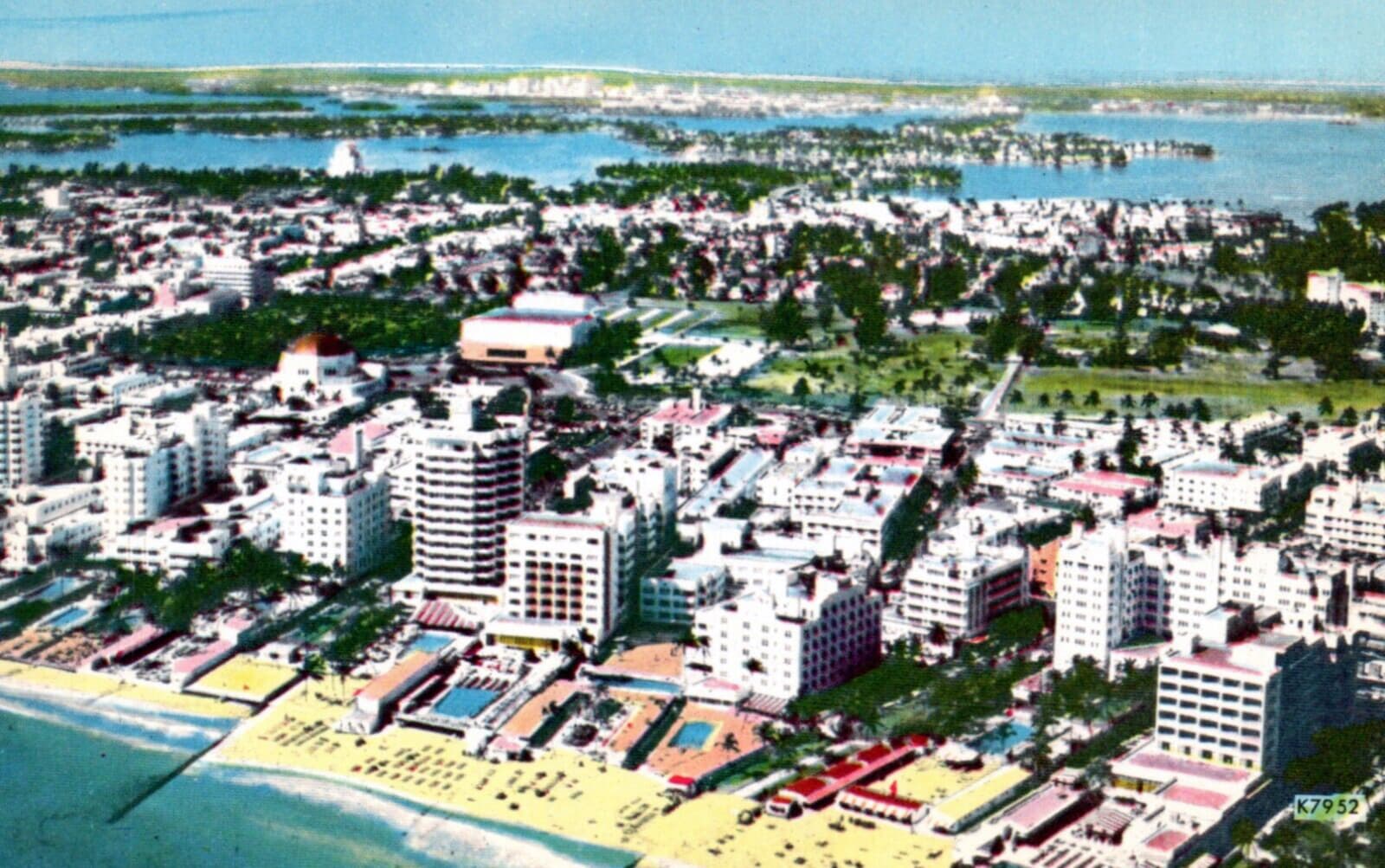
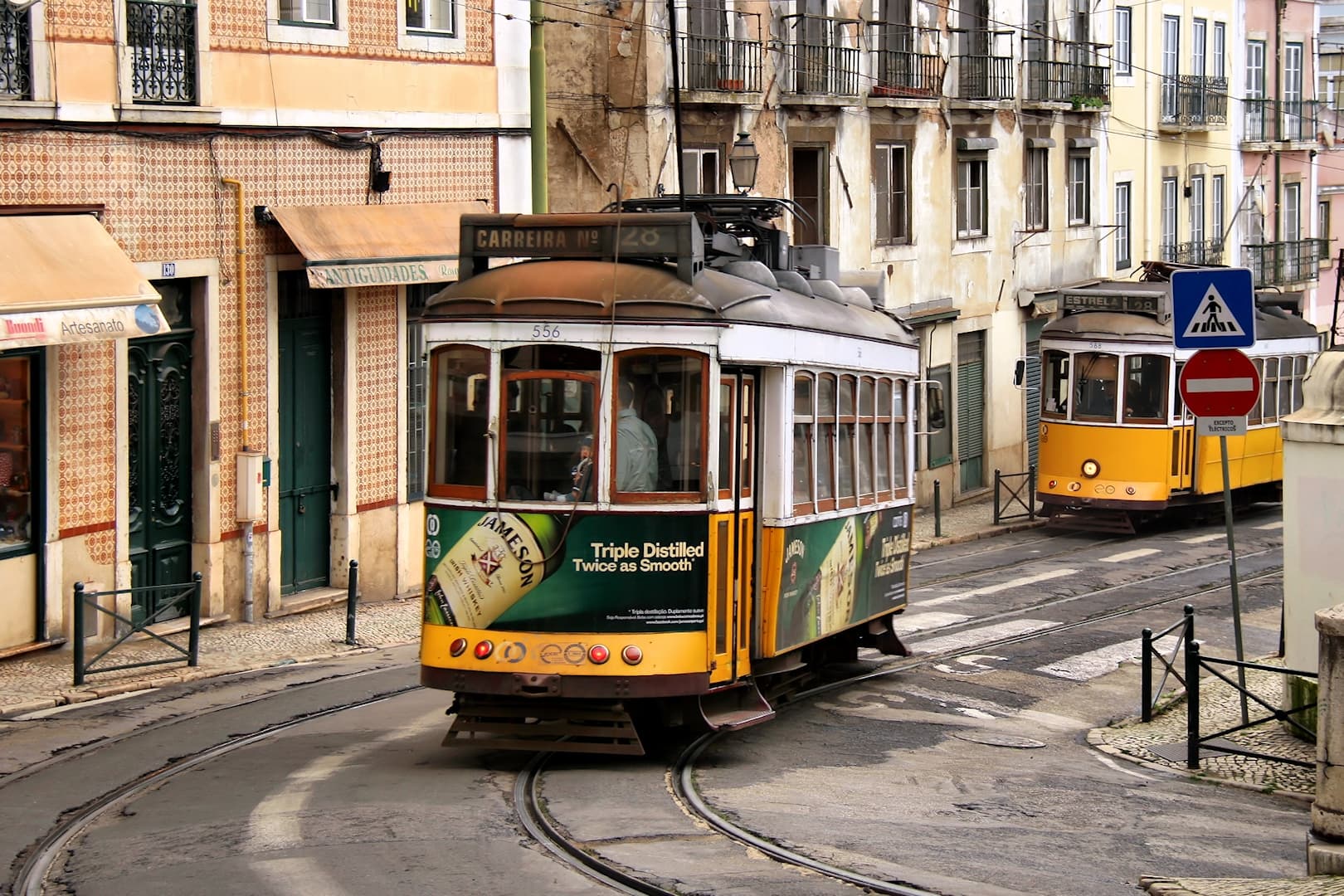
Brazil · Rio de Janeiro state, Atlantic coast
Rio de Janeiro
Come between September and November or April and May, stay in Ipanema or Leblon if the budget allows and Copacabana if it does not, do Christ the Redeemer on the first clear morning and Sugarloaf for a sunset, give a full day to Santa Teresa, Lapa and the old Centro, eat feijoada on Saturday, and treat safety as a set of habits rather than a reason to stay in.
 Acediscovery / CC BY 4.0 via Wikimedia Commons
Overview
Rio de Janeiro is a great city where the geography does the talking. Granite domes rise straight out of the sea, rainforest runs down to the back streets, and a 30-metre statue watches all of it from 700 metres up. Few places pair a city of six million with beaches this good, and the beach is not an amenity here: it is the town square, the gym, the office and the bar. The reason to come now is that the city is having a quieter, more grown-up year. Christ the Redeemer turns 95 on 12 October 2026 and the sanctuary has begun a public countdown to the 2031 centenary; a federal court stopped the zipline that would have hung off Sugarloaf, so the postcard stays intact; the Copacabana Palace has its pool wing, spa and Cipriani closed until 8 October; and the real is trading around 5.1 to the dollar, which makes a serious Rio trip cost roughly what a modest one costs on the Mediterranean. Add a spring that runs September to November, warm but not yet steaming, and this is one of the better value-for-drama trips we plan.
We would come in October 2026, with our eyes open on three things. First, timing inside the month: 12 October is both a national holiday and the statue's 95th birthday, so the Corcovado will be a pilgrimage that day and a normal queue the day after; Sunday 4 October and, if there is a runoff, Sunday 25 October are election days, which in Rio means schools become polling stations, the beach stays open and the city is calmer than usual. Second, the seafront hotels: with the Copacabana Palace's pool wing and Cipriani closed until 8 October and the Fairmont into a renovation from 30 August, we would book Ipanema or Leblon this season and give Copacabana its turn in 2027. Third, the sea itself: after heavy rain the state water-quality bulletin has marked stretches of Ipanema and Copacabana unfit, so we would check INEA's map on the morning we swim and walk to a clean post. Beyond that, the plan is simple: a room a block back from the sand, a bike, one Michelin table, a Saturday feijoada, one night in Lapa, and the discipline to carry nothing worth stealing.
Best for
Beach city breaks · Couples · Food and bar culture · Hikers and viewpoint chasers · Music and samba · A first trip to South America
Daily itinerary
5 nights: three for the city and its hills, one for the west-coast beaches or Niteroi, one to recover on the sand. A week lets you add Petropolis or an overnight on Ilha Grande.
Most cities with a famous skyline make you pay to see it from one tower. Rio hands you a dozen free vantage points and then keeps changing the light: the same Sugarloaf looks different from the Arpoador rock at seven in the morning, from the Urca sea wall with a beer at six in the evening, and from the Vista Chinesa in the forest at noon. The other difference is the beach code. Copacabana and Ipanema are divided into numbered lifeguard posts, and each post has its own crowd, its own kiosk and its own unspoken rules, so choosing a stretch of sand is choosing a social circle. The hard part is not finding things to do but accepting that Rio makes you slow down: the day starts early, stops for the heat, and starts again at dusk. Visitors who fight that and try to see everything by taxi see the traffic. Visitors who pick a neighborhood, learn its posto and walk from there get the city.
Best time to visit
Rio is warm all year and wet in summer. December to March is the hot, humid, stormy peak, with 30 degree afternoons, tropical downpours and the two mega-events, New Year on Copacabana and Carnival, that fill every bed at triple the price. April and May are the sweet spot for warm sea and clearer skies. June to August is the Carioca winter: 25 degree days, cool nights around 18, the driest and clearest air of the year for the viewpoints, and a sea around 21 degrees that locals call cold and northern Europeans call fine. September to November is spring, our other window: the sea warms back past 22, hotel rates sit below the summer peak, and the rain builds only toward the end of November.
- December to March: Summer proper: 30 degree afternoons, 24 degree nights, humidity and afternoon storms. The sea peaks near 26 degrees in March. New Year on Copacabana and Carnival define the calendar and the prices; outside those weeks, this is when the city lives on the beach from six in the morning.
- April to May: The best autumn on the coast: the storms fade, the sea is still 24 to 25 degrees, the light sharpens and the crowds thin. A strong second choice to spring and often a little cheaper.
- June to August: The Carioca winter: 25 degree days, 18 degree nights, the driest months and the clearest views from the Christ and Sugarloaf. The sea bottoms out around 21 degrees in August. July brings Brazilian school holidays and the winter festival calendar; June has the Festa Junina parties.
- September to November: Spring, and our favourite: 26 to 28 degree days, the sea climbing from 22 to 24, jacaranda and ipe trees flowering, and hotel rates well under summer. In 2026 the month of October also carries the statue's 95th anniversary on the 12th and the elections on the 4th and 25th. Rain builds through late November.
Things worth knowing
- Christ the Redeemer 95th anniversary, 12 October 2026: the statue was dedicated on 12 October 1931 and the Archdiocesan Sanctuary has launched a "Towards 100 Years" countdown with a programme of masses and events on the mountain. 12 October is also the national holiday of Our Lady of Aparecida, so expect a full Corcovado that day.
- Brazilian general elections, Sunday 4 October 2026 and runoff Sunday 25 October: polling runs 8am to 5pm in schools and public buildings. Rio state has not applied an election-day alcohol ban in recent elections, so for a visitor it is a quiet Sunday with more police on the streets; give political rallies a wide berth.
- Reveillon on Copacabana, 31 December: one of the world's largest New Year parties, recognised by Guinness World Records for the 2025/26 edition, with an estimated two million plus people in white on the sand, a fireworks show from barges offshore and stages along the beach. The city has contracted the same producer through the 2026/27 edition. Book by September and expect three to five night minimums.
- Carnival 2027: the Special Group parades at the Sambadrome run Sunday 7 to Tuesday 9 February 2027, with the Serie Ouro on 5 and 6 February and the champions' parade on Saturday 13 February; Ash Wednesday is 10 February. Street blocos start weeks earlier. Sambadrome tickets are sold through LIESA and its official partners.
- Samba school rehearsals, roughly September to February: the big schools (Mangueira, Salgueiro, Portela and others) open their quadras to the public for weekend rehearsals ahead of Carnival, a far cheaper and looser way to see the drums than the Sambadrome.
- Rio Marathon (June) and the Festa Junina parties (June): the marathon closes the seafront for a morning; June's countryside-themed festas fill squares and clubs with forro, corn cakes and mulled wine.
Where to stay
 Rafaelkatz · CC BY-SA 4.0 via Wikimedia Commons
Ipanema
The neighborhood that wrote the song and still deserves it: a flat grid of leafy streets between the lagoon and a two-kilometre beach, with the Arpoador rock at one end, the Dois Irmaos peaks at the other, and Rio's best concentration of cafes, bookshops, boutiques and juice bars in between. Posto 9 is the famous stretch of sand, Farme de Amoedo the LGBTQ corner, and the Sunday hippie fair in Praca General Osorio the market. Metro stations at General Osorio and Nossa Senhora da Paz connect it to everything.
Best for: First-time visitors · Couples · Beach and cafe life · Walking to everything
Rio's most expensive sleep after Leblon, and seafront rooms on Vieira Souto cost a premium that the streets one block back do not. Weekend nights on the bar streets run late.
 Mariordo Mario Roberto Duran Ortiz · CC BY-SA 3.0 via Wikimedia Commons
Leblon
Ipanema's quieter, richer neighbor across the canal: the same beach, calmer water at the Dois Irmaos end, family kiosks, tree-lined streets of delis, wine bars and the city's best neighborhood restaurants, with the Baixo Leblon bar corners around Rua Dias Ferreira. The Mirante do Leblon at the western end is the free seat for watching the light go off the whole beach.
Best for: Food-first trips · Families · A polished, calm base · Sunset views
The priciest postcode in the city with the fewest hotels, so rooms book out first. The nearest metro is Antero de Quental at the neighborhood's edge, and Centro is a 40 minute ride.
 Wilfredor · CC0 via Wikimedia Commons
Copacabana and Leme
The four-kilometre crescent with the black-and-white wave pavement, the densest hotel strip in South America and a beach that still belongs to everyone: pensioners at Posto 6 by the fort, footvolley courts at Posto 4, families toward Leme where the mountain closes the bay. Three metro stations, a huge choice of rooms at every price and the best street-level eating of the beach neighborhoods, from juice counters to the Cervantes sandwich.
Best for: Value beachfront rooms · Transit access · Old-Rio atmosphere · Reveillon
Busier, scruffier and more hustled than Ipanema, with more petty theft on the sand and a visible sex trade around some beachfront bars at night. Both grand hotels have works under way this season, the Palace's pool wing, spa and Cipriani until 8 October. Pick a side street and walk Avenida Atlantica rather than sleep on it.
 Adam Jones, Ph.D. · CC BY-SA 3.0 via Wikimedia Commons
Santa Teresa
The hill village above Lapa: a bohemian quarter of cobbled lanes, faded mansions, artists' studios and the last yellow bonde tram in the city, with sudden views over the bay from bar terraces. It has some of the best boutique hotels in Rio and the slowest mornings, and it sits ten minutes above the samba clubs of Lapa and the museums of the old Centro.
Best for: Couples · Boutique stays · Atmosphere over beach · Photographers
No beach, steep streets, thin street lighting and a patchwork of safe and less safe lanes; take an app car rather than walk after dark, and expect a 25 to 40 minute ride to the sand.
 Wilfredor · CC0 via Wikimedia Commons
Botafogo and Urca
The middle-class bay neighborhoods under Sugarloaf: Botafogo is the city's current food-and-bar hotspot, with two of Rio's Michelin-starred rooms, a metro hub and rooftop views of the mountain; Urca, on the peninsula beneath the cable car, is a leafy, almost car-free village of Portuguese-tiled houses, the Praia Vermelha cove and the sea wall where the city drinks beer at sunset.
Best for: Foodies · A local, less touristed base · Sugarloaf at the front door · Metro access
Botafogo beach is for looking at, not swimming in. Urca has almost no hotels. Both are a metro or bike ride from Copacabana and Ipanema rather than a stroll.
 Wilfredor · CC0 via Wikimedia Commons
Lapa and the old Centro
Where the city was founded and where it goes out: Lapa's white aqueduct arches, the Selaron steps and a strip of samba halls and street bars that peak on Friday and Saturday nights, with the old commercial Centro beside it, all baroque churches, the Real Gabinete library, the Confeitaria Colombo and the two Praca Maua museums on the rebuilt port. Cheap hotels and hostels here, and the VLT tram runs through it.
Best for: Nightlife and samba · History and architecture · Budget stays · The port museums
Centro empties after office hours and on weekends and feels unsafe when empty; Lapa's street party comes with pickpockets. Sleep here for price and nights out, not for the beach, which is a 30 minute metro ride.
 chensiyuan · CC BY-SA 4.0 via Wikimedia Commons
Jardim Botanico and Gavea
The green, wealthy interior behind Ipanema: the botanical garden, Parque Lage at the foot of the Corcovado forest, the Lagoa Rodrigo de Freitas with its 7.5 km running and cycling loop, the Jockey Club and the student bars of Baixo Gavea. A neighborhood of good restaurants and quiet streets that is a 15 minute bike ride from the beach.
Best for: Runners and cyclists · Nature inside the city · Quiet upscale stays · Restaurant evenings
Few hotels and no metro; you will use bikes and app cars. The Lagoa loop is safe by day and busy at dusk, but the quieter stretches empty out at night.
Where to sleep
 Charles J. Sharp · CC BY-SA 3.0 via Wikimedia Commons
Copacabana Palace, A Belmond Hotel
luxury · Avenida Atlantica, Copacabana
Best for: The grand-hotel Rio · A once-in-a-lifetime splurge · Reveillon on the beach
- The 1923 white palace facing the sand is Brazil's grand hotel, and the Mee pan-Asian room and the Pergula terrace are destinations in their own right
- Service, breakfast and the beach set-up are the reference point for the whole strip
- Placed directly in front of the Reveillon fireworks
- The Pool Wing, the spa and the Cipriani restaurant are closed for renovation until 8 October 2026, with a temporary sixth-floor pool as the stand-in; if the famous pool is the point, wait until it reopens
- The rates are the highest in the city, and Copacabana around it is busier and rougher than Ipanema
Hotel Fasano Rio de Janeiro
luxury · Avenida Vieira Souto, Ipanema beachfront
Best for: Design and the bossa nova era · One of the city's best rooftop pools · Couples
- Philippe Starck's first Brazilian project, styled after 1950s and 60s Ipanema, with 89 rooms on the beachfront
- The rooftop infinity pool looks along the whole of Ipanema to the Dois Irmaos and Corcovado, and is the view most people picture when they picture Rio hotels
- Gero Rio downstairs is a serious Italian room, and the Bar da Piscina is guests-only
- Sea-view rooms face a six-lane avenue; ask for a high floor
- Priced at the very top of Ipanema and booked far ahead in the spring and summer months
Santa Teresa Hotel RJ, MGallery
boutique · Santa Teresa hilltop
Best for: Couples · A hill village stay · Travelers who want the old Rio rather than the beach
- A restored coffee-era mansion with 44 individually styled rooms, a pool, a spa built around Brazilian rituals and the Tereze restaurant
- Santa Teresa's lanes, bars and bonde tram are outside the door, and Lapa's samba is ten minutes downhill
- The most atmospheric address in the city for anyone who rates character over sand
- No beach: Ipanema is 25 to 40 minutes by car depending on traffic
- You will take app cars after dark; the walk down to Lapa is not one to do at night
Hotel Emiliano Rio de Janeiro
design · Avenida Atlantica, Copacabana, near Posto 5
Best for: Contemporary design on the seafront · A quiet luxury alternative to the Palace · Spa time
- The Sao Paulo design hotel's Rio outpost, a modern slab on the beachfront with a plant-screened facade, a rooftop pool and the Santapele spa
- Small enough that the service feels personal, and the restaurant and lounge bar keep evenings in-house
- Directly on the beach at the calmer southern end of Copacabana, a short walk to Ipanema via Arpoador
- The rooftop and the pool are compact rather than resort-scale
- Copacabana's beachfront avenue is loud at night; ask for a high floor
Janeiro Hotel
boutique · Leblon beachfront
Best for: Leblon at the front door · A smaller, calmer luxury stay · Sea views from every room
- 51 sea-facing rooms on the Leblon beachfront, with the Dois Irmaos on one side and the Cagarras islands on the horizon
- A rooftop pool and bar, the Janeiro restaurant and the Cedilha bar keep it self-sufficient
- Leblon's restaurant streets and the Mirante do Leblon sunset are a short walk
- Leblon prices, and the smaller room categories are compact for the money
- Farther from Centro and the port museums than the Copacabana or Botafogo options
Hotel Arpoador
value · Rua Francisco Otaviano, Arpoador, between Ipanema and Copacabana
Best for: The sunset rock outside the door · Surfers and early swimmers · A well-priced sea view
- Sits on the short street that joins Ipanema to Copacabana, beside the Arpoador rock and a two-minute walk from both beaches
- Sea-facing rooms look straight down Ipanema to the Dois Irmaos, the view the city's most expensive hotels charge triple for
- The rebranded former Arpoador Inn, with a rooftop and the Arp bar
- A simple hotel in a good spot rather than a luxury one: rooms are small and the fit-out is plain
- The corner is busy with surfers and sunset crowds from late afternoon
Yoo2 Rio de Janeiro, Tapestry Collection by Hilton
design · Praia de Botafogo
Best for: Sugarloaf from the rooftop · A base in the Botafogo food scene · Value with a view
- A Philippe Starck-styled tower on the Botafogo bay whose rooftop pool and bar face Sugarloaf across the water, among the best hotel views of the mountain in the city
- Botafogo metro and the neighborhood's bars and Michelin rooms are a short walk
- Priced well under the beach neighborhoods
- Botafogo beach is not for swimming; Copacabana is a metro ride or a 30 minute bike ride away
- The busy avenue outside and a corporate feel in the public areas
Ipanema Inn
value · Rua Maria Quiteria, Ipanema, one block from the beach
Best for: Ipanema on a sensible budget · Beach-first days · Solo travelers and couples
- A well-run small hotel one block from Posto 9, with free beach chairs, umbrellas and towels and house bicycles
- The location puts the cafes of Rua Maria Quiteria and the Sunday hippie fair on the doorstep
- Honest mid-range pricing in the neighborhood where that is rare
- No pool and no sea view
- Compact rooms and street noise on the lower floors
Essential experiences
 Donatas Dabravolskas · CC BY-SA 4.0 via Wikimedia Commons
Christ the Redeemer and the Corcovado railway
The 30 metre art deco Christ on the 710 metre Corcovado summit, dedicated on 12 October 1931 and turning 95 in October 2026. The classic approach is the cog railway from Cosme Velho station, running since 1884, 20 minutes up through the Tijuca forest with trains daily from 8am about every 20 minutes; an adult ticket is 134 reais with the monument entry included, children 7 to 11 pay 107. The official Paineiras vans from Largo do Machado, Copacabana and the Paineiras visitor centre are the alternative; hikers can climb the free Parque Lage trail (steep, up to four hours, gate closes 3pm) and buy the monument ticket at the top. Go on the first clear morning of the trip, book the earliest train, and skip it entirely when the summit is in cloud.
 Bruno Ticianelli · Pexels
Sugarloaf Mountain cable car (Parque Bondinho)
Two glass cable cars, Praia Vermelha up to Morro da Urca and Morro da Urca on to the 396 metre Sugarloaf summit, running since 1912 and now the anchor of a park with trails, a cultural circuit and a sunset DJ programme. The full-price foreign visitor ticket is 205 reais, half price 102.50 for children and over-60s, Brazilian residents pay a promotional rate. The park now posts a single daily schedule, 7.30am to 9pm with last boarding at 7.30pm, which puts sunset on the summit within reach every day of the year; its own FAQ page still carries an older Monday-to-Thursday and Friday-to-Sunday split, so check the hours on the day you go, as the operator asks. The zipline the operator planned between the two peaks was blocked by a federal court in April 2026, so the skyline stays as it was.
 Rcastro creative · Pexels
Ipanema beach and the Arpoador rock
Two kilometres of sand under the Dois Irmaos, divided into lifeguard posts that double as social addresses: Posto 9 for the young and fashionable, Farme de Amoedo for the LGBTQ crowd, Posto 10 for families and footvolley, the Leblon end for calm. At the eastern tip the Arpoador rock is where the city gathers to applaud the sun going down behind the mountains, and the surf break beside it is Rio's most reliable. The beach is free; a chair and umbrella from a kiosk run roughly 15 to 50 reais depending on the post and the day, and the kiosk brings beer, coconuts and Globo biscuits to your chair.
 en:User:Edurcastro28 · Public domain via Wikimedia Commons
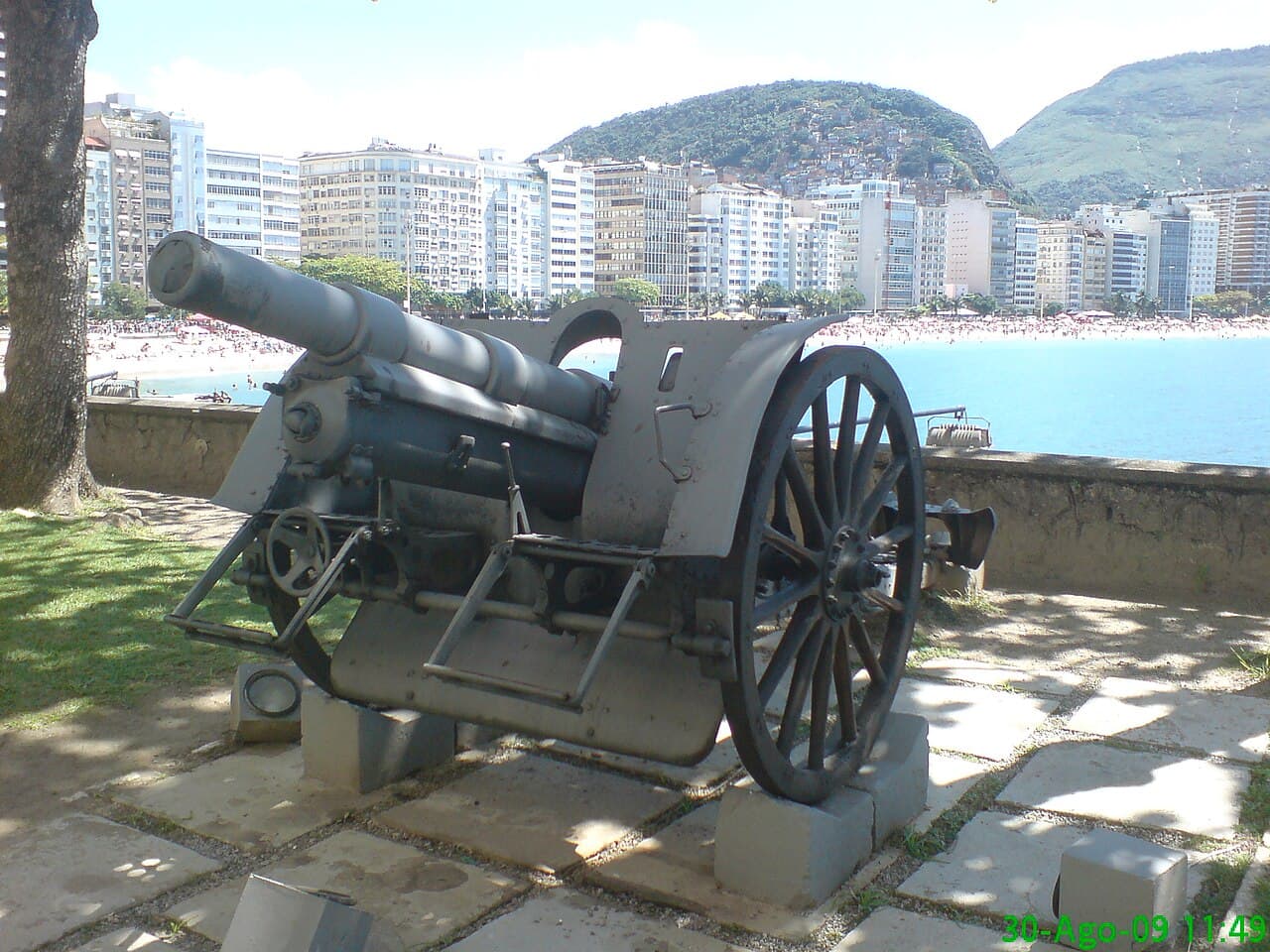
Copacabana beach and the Copacabana Fort
The four-kilometre crescent from Leme to the fort, with the Burle Marx wave mosaic on the promenade, footvolley and beach football at every post, and the seafront lane closed to cars on Sundays and holidays from 7am to 5pm, with a leisure cycle lane running 8am to 4pm. At the Posto 6 end the 1914 Copacabana Fort holds the Army history museum and the best view back along the bay; entry is a small fee of under 10 reais at the time of writing (reported free on Tuesdays; confirm at the gate), open Tuesday to Sunday from 10am with the museum closing before the grounds, and the Confeitaria Colombo's Cafe do Forte branch serves breakfast on the ramparts Tuesday to Sunday 10am to 7pm.
Museu Historico do Exercito e Forte de Copacabana ↗View on map ↗
 Marinelson Almeida · CC BY 2.0 via Wikimedia Commons
Jardim Botanico
The 1808 botanical garden at the foot of the Corcovado: the avenue of 134 imperial palms, the giant Amazon water lilies, the orchid house and a research forest that runs into Tijuca. Foreign visitors pay 80 reais, Brazilians 40, half price for students and over-60s, under-5s free; the arboretum opens Thursday to Tuesday 8am to 5pm and on Wednesdays from 11am. Buy online at the garden's ticket site or pay by Pix or cash at the gate; running is allowed only 8 to 9am and from 4pm to closing.
 Wilfredor · CC0 via Wikimedia Commons
Parque Lage
A 1920s Italianate mansion with a courtyard pool, set in a landscaped park where the Tijuca forest begins, now the visual arts school and one of the city's most photographed corners; the Christ looks straight down into the courtyard. Free and open daily through the day, with a cafe in the mansion courtyard when it is trading. The Corcovado hiking trail starts at the back of the park.
 Vinícius Vieira ft · Pexels
Museu do Amanha and the Praca Maua port
Santiago Calatrava's white science museum on the pier at Praca Maua, opened in December 2015 for the Olympic-era rebuild of the port, with exhibitions on the planet's future. Adult entry 40 reais, half 20, and on the 10th of every month everyone pays 10 to mark the tenth anniversary; open Thursday to Tuesday 10am to 6pm with last entry at 5pm, closed Wednesdays. The square outside, the Olympic Boulevard murals along the old warehouses, the AquaRio aquarium and the Museu de Arte do Rio make this a full half day, reached by the VLT tram.
 Rafael Deminicis · CC0 via Wikimedia Commons
Museu de Arte do Rio (MAR)
The other Praca Maua museum, a palace and a former bus station joined by a wave-shaped roof, with the best rotating shows on Brazilian art and on Rio itself, and a rooftop terrace over the port. Adult 20 reais, half 10, free every Tuesday; open 11am to 6pm with last entry at 5pm, closed Wednesdays, so plan the port for a Tuesday if you want the free entry, or any other day but Wednesday.
 Donatas Dabravolskas · CC BY-SA 4.0 via Wikimedia Commons
Escadaria Selaron and the Lapa arches
The 215 tiled steps that Chilean artist Jorge Selaron covered in more than 2,000 tiles from over 60 countries between 1990 and his death in 2013, climbing from Lapa toward Santa Teresa. Free, always open, and busiest between 10am and 4pm when the tour groups come; early morning is the time to photograph it. The white 18th-century Carioca Aqueduct, the Lapa arches, stands two blocks away and carries the Santa Teresa tram over the street.
 Felipe Restrepo Acosta · CC BY-SA 4.0 via Wikimedia Commons
The old Centro: Real Gabinete, Confeitaria Colombo and the churches
A compact walk through the imperial city: the Real Gabinete Portugues de Leitura, an 1880s neo-Manueline reading room stacked to the ceiling with 350,000 volumes, free and open Monday to Friday 10am to 5pm; the Confeitaria Colombo's 1894 belle epoque mirrors and pastries on Rua Goncalves Dias; the Candelaria church, the Sao Bento monastery's gilded interior, the Paco Imperial on Praca XV, and the Theatro Municipal at Cinelandia. Do it on a weekday morning, when the streets are full and the library is open, and be out by mid-afternoon.
 Jonathan Borba · Pexels
Santa Teresa and the bonde tram
The hill quarter reached by the yellow bonde, the tram that crosses the Lapa arches from the Centro terminal and rattles up through Largo dos Guimaraes, the village square with the bars. The draw is the walk: the studios and antique shops on Rua Almirante Alexandrino, the Parque das Ruinas viewing terrace, the Chacara do Ceu museum garden, and lunch at Bar do Mineiro or dinner at Aprazivel. Come up in daylight, ride the tram one way if the queue is short, and take an app car back down after dark.
 Donatas Dabravolskas · CC BY-SA 4.0 via Wikimedia Commons
Tijuca National Park and the Vista Chinesa
One of the largest urban forests in the world, replanted in the 19th century after coffee cleared it, and the green wall behind every Rio photograph. The park is free and open daily 8am to 5pm; the Corcovado sector holds the Christ, the forest sector holds waterfalls and picnic trails, and the Vista Chinesa pagoda on the Estrada Dona Castorina above the botanical garden is the drive-up viewpoint over the lagoon and Ipanema, with the Christ on its ridge above. The Pedra Bonita ramp above Sao Conrado is where the tandem hang-gliders launch, at roughly 850 to 1,150 reais a flight depending on operator and payment method.
 Victor Barbosa · Pexels
Maracana stadium
The 1950 World Cup temple, rebuilt for 2014, home to Flamengo and Fluminense and to the final of the 2016 Olympics. The self-guided tour costs 115 reais, 57.50 half price, from the Gate A box office 8.30am to 4.30pm daily, with the last tour ending five hours before the gates open on match days. Better still is a match: buy through the clubs' official ticket portals or the stadium box office rather than the street, sit in the upper tiers away from the organised fan sections, and take the metro to Maracana station with the crowd.
 xiquinhosilva · CC BY 4.0 via Wikimedia Commons
Sitio Roberto Burle Marx
The landscape architect's 40-hectare home and nursery at Barra de Guaratiba in the far west, inscribed by UNESCO in 2021, with 3,500 plant species, his house and studio, and the tile panels and gardens he designed for himself. Visits are guided only, Tuesday to Saturday at 9.30am and 1.30pm, about 90 minutes on foot, 10 reais full and 5 half, cash only, with advance booking mandatory through the site's reservation system and a cap of 140 visitors a day. Pair it with Prainha and Grumari for the best day outside the city limits.
 VinnyWiki · CC BY-SA 4.0 via Wikimedia Commons
Praia Vermelha and the Pista Claudio Coutinho
The small red-sand cove at the foot of Sugarloaf where the cable car starts, calmer than the ocean beaches and framed by the two granite peaks. From its far end the Pista Claudio Coutinho is a flat, paved path around the base of the Urca hill through forest full of marmosets, free and popular with morning walkers; a marked trail off it climbs Morro da Urca in well under an hour for the same view as the first cable car stage without the ticket.
 Jorge Láscar from Australia / CC BY 2.0 via Wikimedia Commons
 Breogan67 / CC BY-SA 3.0 via Wikimedia Commons
Food & drink
 Bradleyzm · CC BY-SA 4.0 via Wikimedia Commons
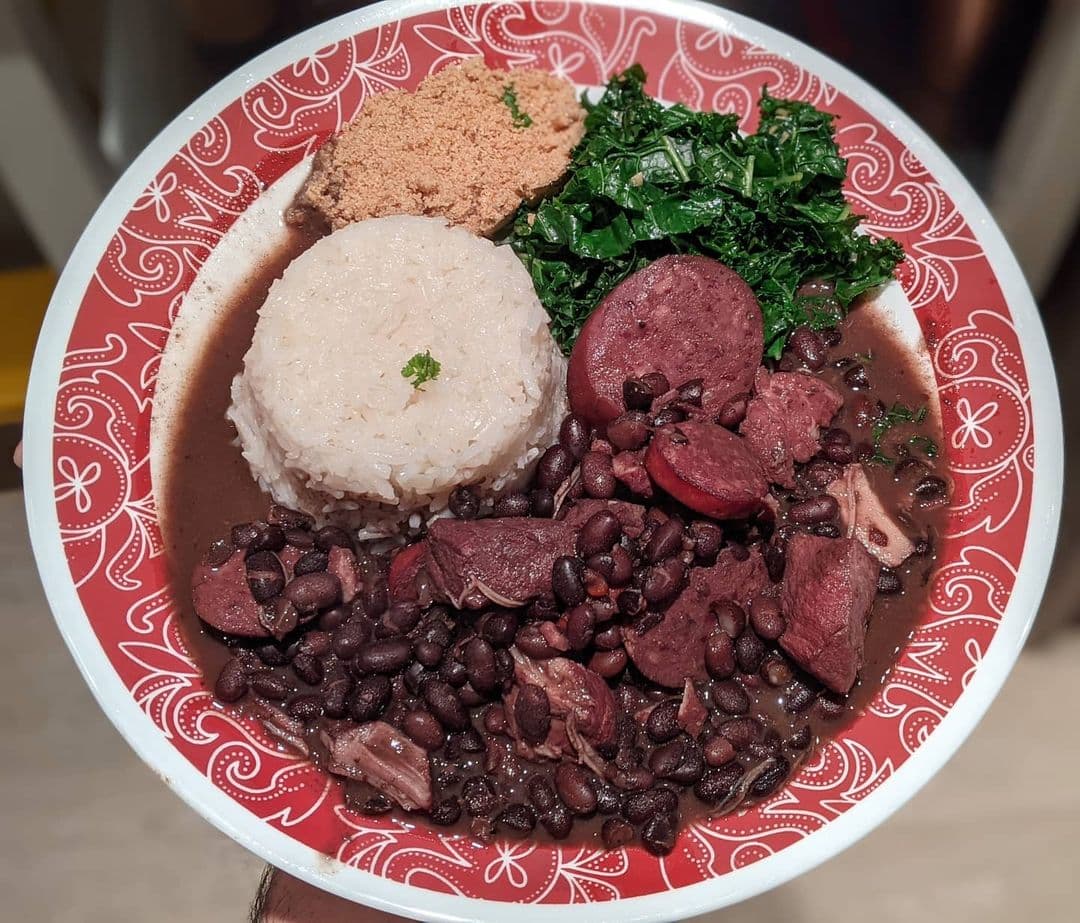
Feijoada
Black beans stewed with pork cuts, served with rice, farofa, collard greens, orange slices and a shot of cachaca, and eaten as a long Saturday lunch by the whole city. Botecos serve a portion for two from about 60 to 80 reais; the samba halls and hotels do buffet versions for more. Do not plan anything for the afternoon after.
 Leonardo "Leguas" Carvalho · CC BY-SA 2.5 via Wikimedia Commons
Picanha and churrasco
The rump cap grilled over coals and sliced at the table is the Rio steak, whether in an all-you-can-eat rodizio churrascaria with the little green and red cards or as a boteco plate to share with farofa and vinaigrette. The Braseiro da Gavea has served it to the neighborhood for decades.
 Nascimento Jr. · Pexels
Pao de queijo and the padaria breakfast
Cheese bread from Minas Gerais, eaten warm with a cafezinho or a pingado at the counter of any padaria, which is also where the city gets its fresh juice, its misto quente toasted sandwich and its pastel de nata heritage from Portugal.
 Hiure Gomes Fernandes · Pexels
Acai na tigela
The Amazon berry blended thick and frozen, served in a bowl with granola and banana, and consumed by surfers and gym-goers along the beachfront from morning on. Rio's version is sweeter than the north's; ask for it without the syrup if you mind.
 Sandy Rondón · Pexels
Biscoito Globo and mate on the beach
The two beach staples sold by walking vendors: the hollow, crisp manioc-flour rings in sweet or salted versions, and iced mate tea with lemon poured from a steel barrel. Cheap, sold from the vendor's bag or barrel, and the truest Rio snack there is.
 Schermann · CC BY-SA 3.0 via Wikimedia Commons
Caipirinha
Cachaca, lime, sugar and ice, muddled fresh. The beach kiosks make them strong and cheap; the good bars make them with aged cachaca and other fruits (passion fruit, cashew fruit, strawberry). Order a caipiroska for vodka or a caipirissima for rum.
 Natan Machado Fotografia Gastronômica · Pexels
Pastel and caldo de cana
The deep-fried square pastry, filled with cheese, beef or shrimp, served at markets and street counters with a glass of sugar-cane juice pressed on the spot. The Bar Urca sea wall and the Sunday markets are where to have it.
 Eduardo P · CC BY-SA 3.0 via Wikimedia Commons
Bolinho de bacalhau and the boteco snacks
The Portuguese salt-cod fritter is the classic beer snack, alongside coxinha (shredded chicken in a teardrop of fried dough), kibe and pastel. Botecos, the neighborhood bars with metal tables on the pavement, are the social unit of the city, and a chopp, the draft beer, comes small and very cold.
 Rafael Rodrigues · Pexels
Brigadeiro
Condensed milk and cocoa rolled in chocolate sprinkles, the national sweet, at every party and in every confeitaria. The Colombo does an elegant one; the padaria one is the honest one.
Lunch is the main meal and runs from around noon to 3pm; the quilo (pay-by-weight) buffet is how the city eats it on weekdays, at roughly 6 reais per 100 grams, and the prato feito, a fixed plate of rice, beans, a protein and salad, sits around 30 to 40 reais. Dinner is late, from 8pm, and later still on weekends. A 10 percent service charge (servico) appears on almost every bill and is expected, with no further tip; some live-music venues add a couvert artistico. In bars you often get a paper comanda card that records your orders and is settled at the till on the way out; losing it is expensive. Feijoada is a Saturday institution, Sunday is family lunch, and many restaurants close on Monday. Card acceptance is near universal, contactless works, and Pix, the instant transfer system, is how locals pay small vendors; foreigners without a Brazilian account still use cards or cash for those.
Where to eat
Confeitaria Colombo
institutionThe 1894 tearoom with Belgian mirrors, Portuguese tiles and a stained-glass ceiling, the city's grandest surviving cafe. Pastries, savoury pastels and a lunch buffet upstairs; open Monday to Saturday 11am to 6pm and closed Sunday. Its Cafe do Forte branch inside the Copacabana Fort opens Tuesday to Sunday 10am to 7pm with the bay for a backdrop.
Last researched 2026-09-08
Bar do Mineiro
institutionThe corner boteco of the hill since 1992, with cachaca bottles up the wall and Minas Gerais food: feijoada on Saturdays, Sundays and holidays in full or light versions, feijao tropeiro, the feijoada pastel as the house snack. Open Tuesday to Saturday 11am to 11pm and Sunday to 10pm; arrive before one on a Saturday or queue.
Last researched 2026-09-08
Aprazivel
modernChef Ana Castilho's treehouse restaurant on the Santa Teresa hillside, tables scattered through gardens and wooden pavilions over the city, with a Michelin Guide listing three years running. Palm-heart dishes, fish from the coast, the Minas and Bahia repertoire done with care, and a cachaca list to match. Book, and ask for a terrace table before sunset.
Last researched 2026-09-08
Oro
fine-diningFelipe Bronze's two-Michelin-star room, retained in the 2026 guide, where avant-garde Brazilian cooking is built around live fire. Two tasting formats, the long Criatividade and the shorter Afetividade; open Tuesday to Friday 7 to 11pm and Saturday for lunch 1 to 3pm as well as dinner. Reservations required.
Last researched 2026-09-08
Lasai
fine-diningRafa Costa e Silva's counter restaurant in Humaita, two Michelin stars in the 2026 guide, cooking from the restaurant's own farms with seafood and meat in supporting roles. Dinner only, Tuesday to Friday at 8pm and two Saturday seatings at 7pm and 10.30pm; reservations are mandatory and open online, and the tables go fast.
Last researched 2026-09-08
Oteque
fine-diningAlberto Landgraf's Rio restaurant in a converted Botafogo house, one Michelin star in 2025 and 2026 after two in earlier years, with a fish-and-vegetable tasting menu of real precision. Tuesday to Saturday 7 to 11.30pm, prepaid bookings only through the site, with strict cancellation terms.
Last researched 2026-09-08
Bar Urca
barThe 1939 bar where the city buys a cold beer and a pastel at the counter and sits on the mureta, the sea wall across the road, to watch the boats in Botafogo bay and the sun drop behind the Christ. The upstairs restaurant does proper Portuguese-Brazilian seafood; the wall is the reason to come. The counter opens in the morning and the restaurant at lunchtime, but check the day's hours before making the trip.
Last researched 2026-09-08
Braseiro da Gavea
institutionThe corner grill on the Gavea square that has fed the neighborhood since the 1970s: picanha sliced at the table, galeto (spring chicken) with polenta, farofa and cold chopp, and tables that spill across the pavement into the student bar crowd of Baixo Gavea. Open from 11am until well past midnight, later on Fridays and Saturdays. No frills, usually full.
Last researched 2026-09-08
Cervantes
casualThe Copacabana corner that has been serving sandwiches since 1955 and made the roast pork with pineapple its signature; it closed in the pandemic and reopened in November 2022 to citywide relief, and the city listed it as carioca cultural heritage in 2013. Stand at the counter, order the pernil com abacaxi and a chopp, and expect a queue after midnight on weekends.
Last researched 2026-09-08
Jobi
barThe Leblon bar that has poured the neighborhood's draft beer since 1956, with a tiny room, waiters who have been there for decades and a menu of boteco classics, the bolinho de bacalhau above all. Open daily from 11am to 3am, to 4am on Fridays and Saturdays, which makes it the last stop of most Leblon evenings.
Last researched 2026-09-08
Adega Perola
barA 1957 Portuguese-Spanish tavern lined with jars of pickled everything, where you point at the counter (sardines, octopus, salt cod, olives, quail eggs) and drink beer or vinho verde at a marble table. Listed as city cultural heritage in 2013, and a reminder that Copacabana was a village of Iberian immigrants before it was a beach resort.
Last researched 2026-09-08
Sud, o Passaro Verde
modernRoberta Sudbrack's relaxed cafe-restaurant on a leafy Jardim Botanico street, a Michelin Guide listing and a short, produce-driven menu that changes with the market. No reservations: arrive early for lunch, especially at weekends, and combine it with Parque Lage or the botanical garden next door.
Last researched 2026-09-08
Sunrises
 Flávio Amieiro · CC BY-SA 3.0 via Wikimedia Commons
Arpoador rock at dawn
The same rock the crowds use at sunset is empty at six in the morning, and faces the other way: the sun comes up out of the sea off the Copacabana side, the light climbs the beach toward Leme and the surfers are already in the water below. The Ipanema side stays in shadow for another hour, which is when to photograph the Dois Irmaos.
All year; the driest and clearest dawns are June to September · A two-minute walk from the end of Ipanema or Copacabana; the beachfront is busy with runners from first light, which is the reassuring part. · Shoot east toward the fort for the sun, then turn west for the pink on the Dois Irmaos.
 Rodrigosilvestri · CC BY-SA 3.0 via Wikimedia Commons
Mirante Dona Marta in the first hour
The drive-up viewing platform at 360 metres on the Corcovado road, below the Christ and above Botafogo, is the picture-postcard of Sugarloaf, the bay and the beaches beyond. Morning is the time: the light comes up on the Sugarloaf side of the panorama, the air is clearest and the buses have not arrived. It is also the view the helicopter tours sell.
Winter and spring for the cleanest air · By road only, on the Estrada das Paineiras. Do not walk up from Botafogo or the Dona Marta community below. · A long lens compresses the Sugarloaf and the bay; a wide one gets the Christ over your shoulder.
Sunsets
 Deniltonlima · CC BY-SA 3.0 via Wikimedia Commons
The Arpoador applause
Rio's sunset ritual: hundreds gather on the Arpoador rock at the eastern end of Ipanema, the sun drops behind the Dois Irmaos and the Pedra da Gavea, and when it goes the crowd applauds. It is free, it happens on most clear evenings, and it is a strong reason to sleep in Ipanema.
All year; the sun goes down behind the Dois Irmaos around the equinoxes, swings north over Leblon in midwinter and out over the open sea in midsummer · Walk. Leave the phone in a zipped pocket on the way back through Copacabana or Ipanema after dark and take the busy beachfront streets. · Turn around: the light on Copacabana and the fort behind you is as good as the sun in front.
 Adam Jones, Ph.D. · CC BY-SA 3.0 via Wikimedia Commons
Sugarloaf summit at sunset
The summit cable car faces west over the whole city: the Christ silhouetted on its ridge, the lights coming on in Botafogo and Copacabana, planes sliding into Santos Dumont below. With last boarding posted at 7.30pm every day, the sunset is reachable year-round, and the park runs a DJ sunset session on Morro da Urca.
Winter and spring for clear skies; summer storms can close the summit · Cable car from Praia Vermelha, Avenida Pasteur 520; bus 513 from Botafogo metro, or a short app car from Copacabana. · The glass of the cable car reflects; shoot from the summit terraces, and bring a small tripod for the blue hour.
 Fernando Francatto · CC BY-SA 3.0 via Wikimedia Commons
Mureta da Urca with a beer
The sea wall opposite Bar Urca, where the city sits with a cold beer and a pastel from the counter and watches the sun go down behind the Christ, the fishing boats swinging on Botafogo bay in front. Less a viewpoint than a habit, and the one we would adopt first.
All year · Bus 513 or an app car to Urca; the neighborhood is quiet and walkable but a dead end at night, so ride back. · The Christ is small and far; this is a photo of people and boats, not of monuments.
 Rafaela Santos · CC BY-SA 3.0 via Wikimedia Commons
Mirante do Leblon
The small terrace at the western end of Leblon beach, above the rocks where the Niemeyer road begins, looking back east along the whole length of Leblon and Ipanema to the Arpoador. A quieter sunset than the rock at the other end and the classic angle for the beach with the lights coming on.
All year · At the Leblon end of Avenida Niemeyer; well lit and busy with runners until about 8pm, then take a car. · A telephoto along the beach compresses the Copacabana Fort and the Arpoador into one frame.
Day trips
 Rusny Rezende Teixeira · CC BY-SA 4.0 via Wikimedia Commons
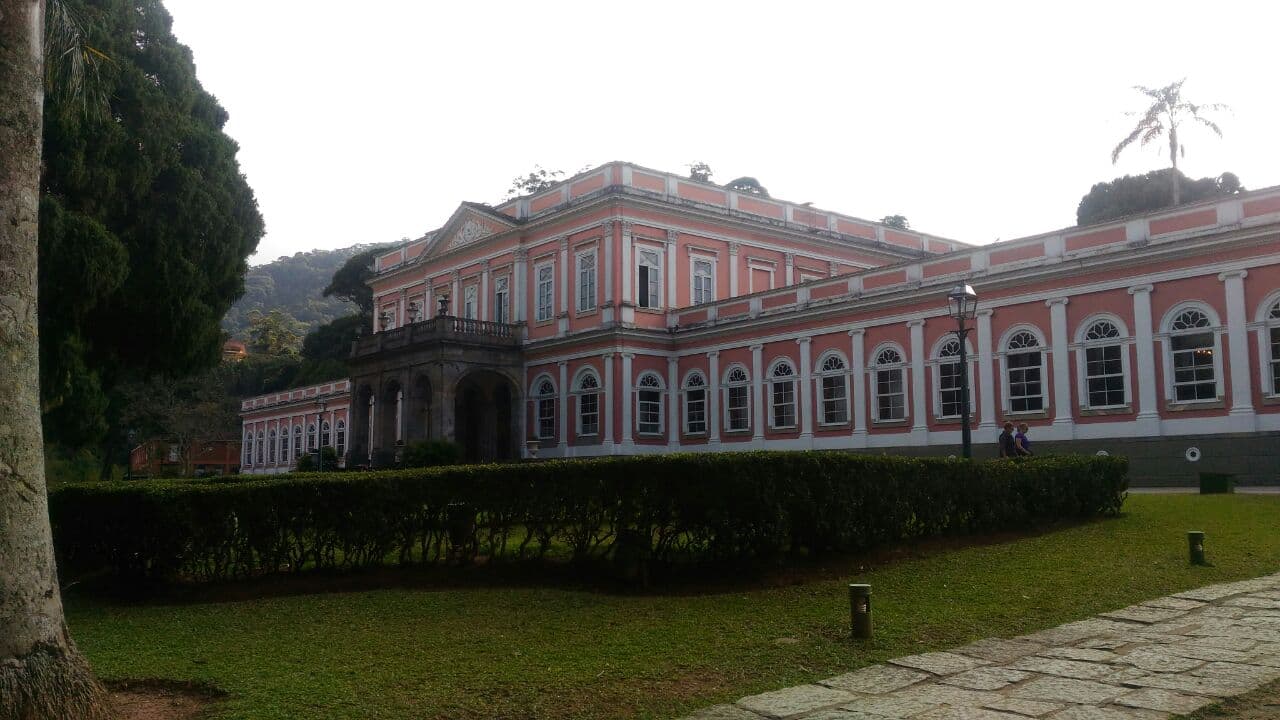
Petropolis and the Imperial Museum
The mountain summer town of the Brazilian emperors, 65 km and 800 metres up into the Serra dos Orgaos: the Imperial Palace with the crown jewels and Dom Pedro II's study, the Crystal Palace, the cathedral with the imperial tombs, and a cooler, damper, more European air. The palace charges 10 reais, 5 half price, free on Sundays, open 10am to 6pm with last entry 5.15pm and closed Mondays; the Unica Facil bus from the Rodoviaria Novo Rio takes roughly 70 to 90 minutes for around 40 to 50 reais each way.
1h10 to 1h30 by bus each way, depending on traffic on the serra road · Full day
 Carlos Frederico Netto Telles de Menezes · Pexels
Niteroi: the MAC, the Parque da Cidade and Itacoatiara
Across the bay by ferry from Praca XV, 20 minutes for 4.70 reais, Niteroi is where you go to look back at Rio. Oscar Niemeyer's saucer-shaped Museum of Contemporary Art (20 reais, 10 half, free on Wednesdays, Tuesday to Sunday 10am to 6pm) sits on a rock over the bay; the Parque da Cidade viewpoint on the Morro da Viracao gives the whole skyline from Sugarloaf to the Christ; and Itacoatiara, on the ocean side, is a wild surf beach between granite peaks that Cariocas consider the most beautiful in the metropolitan area.
20 minutes by ferry; 45 minutes to Itacoatiara by car from the ferry · Full day, or a half day for the MAC and the viewpoint
 Alvaro.acosta.fo · CC BY-SA 4.0 via Wikimedia Commons
Prainha, Grumari and the Sitio Burle Marx
The wild west of the municipality: past Barra da Tijuca the coast road climbs over headlands to Prainha, a horseshoe surf beach inside a protected reserve, and Grumari, a long, undeveloped strand with kiosks and no buildings behind it; from the Pedra do Telegrafo above Barra de Guaratiba the famous cliff-edge photograph is a two-kilometre walk from the road. Book the 9.30am or 1.30pm guided visit at the Sitio Roberto Burle Marx (Tuesday to Saturday, 10 reais, cash) to anchor the day, and eat fish in Barra de Guaratiba.
1h to 1h30 by car from the Zona Sul, more on weekends · Full day
 Pedro Slinger · Pexels
Ilha Grande
A car-free rainforest island of white beaches two and a half hours down the coast, reached by a 20 minute fast boat from Conceicao de Jacarei; the village of Vila do Abraao is the base, Lopes Mendes the beach everyone comes for, and the boat trips and trails fill the rest. It is a stretch as a day trip and a joy as one or two nights; the transfer companies run door-to-door minibuses from the Zona Sul to the pier.
2h30 by road to Conceicao de Jacarei plus 20 minutes by boat · One or two nights, or a very long day
 Miguel Diaz · Pexels
Buzios and Arraial do Cabo
The Lake Region peninsula three hours east: Buzios is the Brigitte Bardot fishing village turned resort with 20-odd beaches around a peninsula, boutique pousadas and a cobbled main street; Arraial do Cabo, 40 minutes further, has the clearest water in the state and the boat trips to prove it. Both are two-night destinations rather than day trips, and the Auto Viacao 1001 buses from the Novo Rio terminal run all day for roughly 70 reais and up.
3 to 3h30 by bus to Buzios · Two nights
After dark
 Grupo Scenarium · CC BY-SA 4.0 via Wikimedia Commons
Samba in Lapa
musicFriday and Saturday nights the streets around the arches fill with bars, street vendors and music from every door. Rio Scenarium on Rua do Lavradio is the three-floor antique-shop samba hall (Wednesday to Saturday, with a Saturday feijoada from noon), Carioca da Gema the more traditional room, Circo Voador and Fundicao Progresso the concert venues. Go in a group, take an app car both ways and keep the wallet in a front pocket.
 Teresacmatta · CC BY-SA 4.0 via Wikimedia Commons
The Monday roda de samba at Pedra do Sal
musicThe rock in the old port quarter where samba was born, and where a free open-air roda gathers every Monday from about 7pm, beer from the bars around the square and the crowd singing every chorus. A free, informal samba night with few tourists; the port area is well policed on the night but empty around it, so ride there and back.
 Circuito Fora do Eixo · CC BY-SA 2.0 via Wikimedia Commons
A samba school rehearsal
musicBetween roughly September and Carnival the big schools rehearse in their quadras in the north and west of the city: Mangueira on Saturday nights, Portela on Wednesdays and Fridays, Salgueiro on Thursdays in the street, each with a bateria of two or three hundred drums. Tickets are cheap (free to about 20 to 50 reais), the crowds are local, and it beats the Sambadrome for closeness. Go with a tour or a Carioca friend; the schools sit in neighborhoods you should not wander alone.
 Danilo Borges/copa2014.gov.br Licença Creative Commons Atribuição 3.0 Brasil · CC BY 3.0 via Wikimedia Commons
A match at the Maracana
sportFlamengo, the country's biggest club, and Fluminense share the stadium, with Vasco and Botafogo across town. Buy through the clubs' official portals (foreign cards sometimes fail, so the box office is the fallback), sit in the upper tiers, wear no colours, and ride the metro to Maracana station with everyone else. The noise is the point.
 Rodrigo Menezes · Pexels
The Botafogo and Baixo Gavea bar nights
nightlifeBotafogo's side streets around Rua Nelson Mandela and Voluntarios da Patria are where the city under 40 drinks now, with craft beer, natural wine and the two Michelin rooms a block away; the Baixo Gavea corner by the Braseiro is the student version, tables in the square until the small hours. Both are a car ride from the beach hotels and worth it.
Daily itinerary
Three days: the icons and the beach
A long weekend that does the two mountains, the two beaches and the old city, sleeping in Ipanema or Copacabana and moving on foot, by bike and by metro.
- 1
Christ in the morning, Ipanema in the afternoon
moderateTake the first Corcovado train you can book, 8 or 8.20am from Cosme Velho, and be on the platform under the Christ before the cloud and the coaches. If the summit is in cloud when you wake, swap this with day 2 and come back. Down by 10.30, then an app car to Parque Lage for a late breakfast in the mansion courtyard with the statue looking in.Sud, o Passaro Verde around the corner in Jardim Botanico, walk-in only, so arrive by 12.30; or the botanical garden itself, then a quilo lunch on Rua Jardim Botanico.Jardim Botanico for the imperial palms and the lily ponds (80 reais for foreign visitors), then a Bike Itau ride down the Lagoa loop to Ipanema and the first swim at Posto 9 or 10. Rent a chair and umbrella, order a coconut, and stay until the light softens.Walk to the Arpoador rock for the applause.Ipanema at street level: a boteco on Rua Garcia d'Avila or the Leblon deli-restaurants on Rua Dias Ferreira.Jobi in Leblon for the bolinho de bacalhau and a last chopp; it runs until 3am.App car to Cosme Velho (25 minutes from Ipanema), then Parque Lage, then bikes and feet for the rest. No car needed.Estimate: If the summit is cloudy: keep the garden and the beach as written and move the Christ to the next clear morning; only if no clear morning is left take the 4 to 5pm slot, which costs you the Arpoador sunset · Swap the Parque Lage breakfast for the Copacabana Fort and the Colombo branch on the ramparts
- 2
The old city, Santa Teresa and Lapa
fullMetro to Carioca or Cinelandia by 9.30 and walk the imperial Centro: the Theatro Municipal, the Real Gabinete reading room (free, weekdays only), the Candelaria church and Praca XV, then the Confeitaria Colombo for a coffee under the mirrors once it opens at 11.The Colombo's upstairs lunch, or a Portuguese-style seafood plate in one of the old restaurants behind Praca XV.The VLT to Praca Maua for the Museu do Amanha and the Olympic Boulevard murals (skip the museums on a Wednesday, both close), then an app car up to Santa Teresa for the Parque das Ruinas terrace, the studios of Rua Almirante Alexandrino and a ride on the bonde if the queue is short.A terrace table at Aprazivel, booked ahead, with the bay below going gold.Aprazivel, or Bar do Mineiro on the square for the boteco version.Down the hill to Lapa: Rio Scenarium or Carioca da Gema for live samba, the Selaron steps lit at the top of the street. App car back to the hotel.Metro out, VLT within Centro, app cars for the hill and for the ride home. Do not walk between Lapa and Santa Teresa after dark. Thursday or Friday is the day this runs in full: the Real Gabinete needs a weekday, the two port museums close on Wednesday, and Rio Scenarium opens Wednesday to Saturday.Estimate: On a weekend the Centro is empty: do Praca Maua and Santa Teresa in the morning and the Pedra do Sal Monday roda instead of Lapa if the dates line up · Museum lovers can add the MAR (free on Tuesdays) before the Museu do Amanha
- 3
Copacabana, Urca and Sugarloaf at sunset
moderateEarly swim and a walk of the full Copacabana crescent from the fort to Leme on the wave mosaic; on a Sunday the seafront lane is closed to cars and the whole city is out on bikes. Breakfast at the Cafe do Forte on the ramparts and a look at the fort museum (both closed Monday; on a Monday breakfast at a padaria instead).Cervantes for the pernil-and-pineapple sandwich, or Adega Perola for pickled sardines and vinho verde, both in Copacabana.App car or bus 513 to Urca. Walk the Pista Claudio Coutinho around the base of the mountain, swim at Praia Vermelha, then a beer and a pastel at Bar Urca on the sea wall.Sugarloaf. Board the cable car about 90 minutes before sunset (last boarding currently posted at 7.30pm daily; confirm on the day), see the city in daylight from the summit, then the lights.Botafogo: a table at Oteque or Lasai booked weeks ahead, or the neighborhood bars around Rua Nelson Mandela.A last drink on a Botafogo rooftop facing the mountain you just came down from, or the Copacabana kiosks with the waves.On foot in Copacabana, one car to Urca, metro from Botafogo back to the beach hotels.Estimate: Hikers can climb Morro da Urca from the Pista Claudio Coutinho (about 40 minutes) and buy the summit-only cable car at the top · If the departure flight is in the evening, do Copacabana and Urca and leave Sugarloaf for the next visit rather than rushing it
Five days: the city, the forest and the bay
The three-day plan with the pace eased: a slower first day, the botanical garden and the lagoon added to the Christ, a day across the bay in Niteroi, and Urca and Sugarloaf as the finale. Sleep in Ipanema, Leblon or Copacabana throughout.
- 1
Arrive, walk the beach, learn the posts
relaxedLand at Galeao, official taxi or app car to the Zona Sul (30 to 60 minutes, roughly 80 to 140 reais), check in and get into the sea by late morning. The first hour on the sand is the orientation: find your post, learn the kiosk, buy a mate and a Globo biscuit from a vendor.A quilo buffet a block off the beach, the best 60 reais lunch in the city.Walk Ipanema end to end on the sand, then the Leblon half, and back along the shops of Rua Visconde de Piraja. Buy a Bike Itau day pass in the app.Arpoador, with the applause.Something easy in Ipanema; an early night if the flight was overnight.Feet only after the airport.Estimate: Late arrivals: go straight to the Arpoador sunset and eat in Ipanema
- 2
Christ, Parque Lage and the botanical garden
moderateThe first Corcovado train of the morning from Cosme Velho, an hour on the summit, then Parque Lage for breakfast and the courtyard.Sud, o Passaro Verde, walk-in, or the garden cafe.Jardim Botanico for two unhurried hours, then bikes around the Lagoa loop (7.5 km, flat, with the rowing clubs and the Christ over everything) and an end-of-day swim.Mirante do Leblon at the far end of the beach.Oro in Leblon (booked ahead) for the fire-cooked tasting menu, or the Baixo Leblon botecos.Jobi for the nightcap.App car to Cosme Velho and to Parque Lage; bikes and feet from there.Estimate: Hikers: swap the train for the Parque Lage trail up to the Christ (steep, up to four hours, gate closes 3pm), buy the monument ticket at the top and ride the train down
- 3
Centro, the port museums, Santa Teresa and Lapa
fullThe imperial Centro on foot from Cinelandia: Theatro Municipal, Real Gabinete, Colombo, Candelaria, Praca XV. Weekday, not weekend.Confeitaria Colombo upstairs, or a seafood lunch behind Praca XV.VLT to Praca Maua for the Museu do Amanha and the MAR (not a Wednesday), the Olympic Boulevard murals and, if the timing allows, the Pedra do Sal square for the story of samba. App car up to Santa Teresa for the late afternoon.Parque das Ruinas terrace, then a table at Aprazivel.Aprazivel or Bar do Mineiro.Lapa: samba at Rio Scenarium or Carioca da Gema, and the Selaron steps under the lights.Metro, VLT and app cars; nothing on foot between neighborhoods after dark.Estimate: If day 3 falls on a Monday, Aprazivel and Bar do Mineiro are closed: eat early in the Centro or the port and end at the free Pedra do Sal roda from 7pm instead of the Lapa clubs · If it falls on a Saturday, drop the imperial Centro (the Real Gabinete is shut and the streets are empty) and give the day to Bar do Mineiro's feijoada, Santa Teresa and the port museums
- 4
Niteroi across the bay
moderateFerry from Praca XV to Arariboia (20 minutes, 4.70 reais), then a car or the bus along the bay to Niemeyer's MAC on its rock, the best building on either shore, free on Wednesdays and closed on Mondays.A seafood restaurant on the Niteroi bayside, or the Parque da Cidade kiosks.Up to the Parque da Cidade viewpoint for the whole Rio skyline from Sugarloaf to the Christ, then over the hill to Itacoatiara for a wild ocean beach between granite peaks. Back on the ferry as the lights come on.From the ferry deck, with the city in front of you.Botafogo and Humaita: Lasai or Oteque if you have the reservation, the neighborhood bars if not.Metro to Carioca, ferry, app cars on the Niteroi side (arrange the return from Itacoatiara before you go), ferry, metro.Estimate: Monday: the MAC and the Petropolis palace are both closed, so either swap this day with day 3 or 5 or keep Niteroi for the Parque da Cidade viewpoint and Itacoatiara alone · Rainy day (except Monday, when the palace is closed): Petropolis and the Imperial Museum instead, by bus from the Rodoviaria · Beach purists: skip the MAC and give the whole day to Itacoatiara and the Piratininga lagoon
- 5
Urca, Sugarloaf and the last swim
moderateA late start. Copacabana beach and the fort, breakfast at the Cafe do Forte and a look at the fort museum (closed Monday), then a walk to Leme and back.Cervantes or Adega Perola in Copacabana.Urca: the Pista Claudio Coutinho walk, Praia Vermelha, the sea wall at Bar Urca.Sugarloaf, boarding about 90 minutes before the sun goes.Braseiro da Gavea for picanha on the square, or a last Ipanema boteco.Pack; the departure morning at Galeao needs two and a half hours before an international flight and the ride can be an hour in traffic.On foot and one car to Urca; metro from Botafogo.Estimate: Football fans: check the Maracana fixture list for a night match on day 4 or 5 and buy through the club portal or the box office
One week: city plus the west coast and an island
The five-day city plan with Niteroi traded away, the west-coast beaches and the Burle Marx garden on day 5 and a night on Ilha Grande to end. Sleep five nights in Ipanema or Leblon and the sixth on Ilha Grande, and fly out on day 7; with an eighth day, give the island a second night.
- 1
Arrive and settle into the beach
relaxedGaleao to the Zona Sul, check in, and straight into the sea. Learn your post and your kiosk.Quilo buffet a block back from the sand.Ipanema and Leblon on foot, the Bike Itau app set up, an early evening swim.Arpoador.Ipanema botecos, then bed.Feet after the airport transfer.Estimate: Late arrival: sunset and dinner only
- 2
Christ, Parque Lage, the garden and the lagoon
moderateFirst train up the Corcovado, then Parque Lage for breakfast.Sud, o Passaro Verde or the garden cafe.Jardim Botanico, then the Lagoa loop by bike and a swim.Mirante do Leblon.Oro, booked ahead, or Baixo Leblon.Jobi.App cars to the mountain and the park, bikes after.Estimate: Hike the Parque Lage trail instead of the train if the legs are willing; gate closes 3pm
- 3
Centro, the port and Santa Teresa
fullThe imperial Centro on foot on a weekday.Colombo.Praca Maua museums and murals (not a Wednesday, when both close), then Santa Teresa.Parque das Ruinas, then Aprazivel.Aprazivel or Bar do Mineiro.Lapa samba.Metro, VLT, app cars.Estimate: Monday: Aprazivel and Bar do Mineiro are closed, so dine in the port quarter and do the Pedra do Sal roda instead of Lapa · Saturday: drop the imperial Centro, which is shut and empty, and give the day to Bar do Mineiro's feijoada, Santa Teresa and the port
- 4
Copacabana, Urca and Sugarloaf
moderateThe Copacabana crescent and the fort (closed Monday).Cervantes or Adega Perola.Urca: Pista Claudio Coutinho, Praia Vermelha, Bar Urca.Sugarloaf summit.Lasai in Humaita or Oteque in Botafogo, booked long ahead (both closed Sunday and Monday; the Botafogo bars otherwise).On foot, one car, metro home.Estimate: A Maracana match if the fixtures fall right
- 5
Prainha, Grumari and the Burle Marx garden
fullA hire car or driver west along the coast past Barra to the Sitio Roberto Burle Marx for the 9.30am guided visit, booked in advance, cash for the 10 reais ticket. The garden opens Tuesday to Saturday only, so swap this day with day 4 if it lands on a Sunday; day 6 cannot take it, since that is the crossing to Ilha Grande. If the week puts this day on a Monday, keep Prainha and Grumari and let the garden go.Fish in Barra de Guaratiba.Grumari and Prainha for the afternoon on beaches with no buildings behind them; the Pedra do Telegrafo walk if the energy is there.From Prainha, or from the Joatinga road on the way back.Back in the Zona Sul, something simple; pack for the island.Car all day; app cars do not reliably come back out to Grumari, so arrange the return before you go.Estimate: Rain: Petropolis instead, by bus, on any day but Monday
- 6
To Ilha Grande
relaxedA door-to-door transfer minibus from the hotel to Conceicao de Jacarei (about 2h30), then the 20 minute fast boat to Vila do Abraao. Check into a pousada and walk the village.Fish on the Abraao waterfront.The boat circuit or the trail to the beach of your choice; a first swim in water clearer than the city's.The Abraao pier.The village restaurants; everything is on foot and there are no cars.Transfer plus boat; book both before the trip in high season.Estimate: Buzios instead of Ilha Grande for a resort-and-pousada version of the same overnight
- 7
Lopes Mendes and the return
moderateThe boat-and-walk to Lopes Mendes, the island's famous white-sand beach, and a long morning on it.Back in Abraao.Boat to the mainland and the transfer back, either to a last night in the city or directly to Galeao for an evening flight (allow four hours from the pier to the terminal).From the road along the Costa Verde.A last Ipanema boteco if staying, or the airport.Boat and transfer minibus; confirm the airport drop-off with the transfer company when booking.Estimate: With an extra night, stay on the island and add the Lagoa Azul snorkelling boat
Getting around
- Galeao International Airport (GIG) sits on an island in Guanabara Bay about 20 km north of the Centro and 24 km from the Zona Sul beaches; the airport changed operator in 2026 after Spain's Aena won the concession auction in March. From arrivals the choices are the official taxi companies at the fixed-price counters (roughly 80 to 100 reais to Copacabana plus tolls, a little more to Ipanema and Leblon), an app car (Uber and 99 both work, typically 80 to 140 reais and up to 180 with surge, pick-up from the signed app-car point), or public transport: the BRT Transcarioca express to Vicente de Carvalho, then metro line 2 to Botafogo and line 1 south, for about 12 reais and about 90 minutes.
- Santos Dumont (SDU) is the domestic airport on the edge of the Centro, with the Sao Paulo shuttle and other domestic routes and a passenger cap that the government is lifting back toward 8 million a year through 2026. It is a 15 to 25 minute taxi to the Zona Sul, and the VLT tram stops outside for Cinelandia and the metro.
- Nonstop flights in 2026: from the United States, American (Miami year-round, New York and Dallas seasonally), Delta (Atlanta) and United (Houston), with LATAM on several routes; from Europe, TAP from Lisbon and Porto, Air France from Paris, and Lufthansa from Frankfurt, with other European carriers on seasonal or connecting schedules. There is no direct flight from Tel Aviv: the practical routings run through Lisbon, Paris or Frankfurt on the carriers above, or through other European hubs with a change, and typically take 17 to 20 hours door to door.
- Entry: citizens of the EU, the UK, Israel and most of Latin America enter visa-free for up to 90 days on a passport valid for the stay. Citizens of the United States, Canada and Australia have needed an electronic visa since 10 April 2025, applied for online at the official VFS portal for 80.90 US dollars, usually issued in a few days but slower in peak season; apply well ahead. No vaccination is required for Rio itself, though yellow fever is recommended if you continue to the interior.
- Departures at Galeao are slower than the airport looks: allow two and a half to three hours before an international flight and an hour for the road from the Zona Sul in the evening peak.
- The metro is the spine: line 1 from the Centro through Botafogo, Copacabana and Ipanema to General Osorio, line 4 continuing to Antero de Quental in Leblon and Jardim Oceanico in Barra, line 2 to the north and the Maracana. A single fare is 7.90 reais, paid with a contactless bank card at the gate, the metro's own Giro card, or a QR code from the RecargaPay app (the city's Jae card opens the metro gates only at the two integration stations); trains run Monday to Saturday 5am to midnight and Sundays and holidays 7am to 11pm, with extended hours at Carnival and Reveillon.
- Buses go everywhere for a few reais on the city's Jae card, the ticketing system for municipal buses, the BRT bus rapid transit lines that serve the airport corridor and Barra, and the VLT tram that links Santos Dumont, the Centro and the port. The Jae card is sold at BRT and VLT stations and in its app, and integrates those modes within a time window.
- Cycling works: the seafront from Leme to Leblon and on to Barra has a continuous bike lane, the Lagoa has its loop, and the orange Bike Itau share bikes (Tembici) cost a few reais a ride, with a day pass (around 10 reais at the time of writing, check the app) for unlimited 60 minute rides and monthly plans for longer stays; e-bikes are charged by the minute. On Sundays and holidays the Copacabana seafront lane closes to cars from 7am to 5pm, and the Ipanema and Leblon seafronts follow the same leisure-lane custom.
- App cars are the default after dark and between neighborhoods. Uber and 99 both operate, fares in the Zona Sul are low by European standards (15 to 40 reais for most rides), and the rule the police repeat is to check the plate and the driver against the app before getting in. Yellow taxis are metered and fine from ranks and hotels; insist on the meter ("taximetro, por favor").
- Walking is the pleasure of the beach neighborhoods and the flat streets behind them, and the promenade is a continuous walk of roughly 9 km from Leme to the Mirante do Leblon. The hills are another matter: Santa Teresa, the Dona Marta road and the trails are daylight-only, and the Centro is a weekday place.
- The ferry to Niteroi from Praca XV is public transport: 4.70 reais, every 20 to 30 minutes, 20 minutes across, from 6am.
Things worth knowing
- · Taking the phone, the watch and the second card to the beach. Rio's crime is overwhelmingly theft of what you are carrying; carry a little cash, a copy of the passport and nothing else, and swim in turns.
- · Booking the Corcovado for the afternoon. Cloud sits on the summit most afternoons in the wet months and can hang on a winter morning until it burns off; go at 8am on the first clear day and keep the plan flexible.
- · Planning the Centro for a weekend. The imperial city is a weekday place: the Real Gabinete is closed at weekends, the Praca Maua museums close on Wednesdays, and the streets are empty and uncomfortable on Sundays.
- · Walking between neighborhoods at night, or into a favela because the map said the street continued. After dark the rule is an app car door to door, and both governments' advice is to stay out of the communities altogether, tours included.
- · Swimming without looking at the flags or the water. The state INEA bulletin marks beaches unfit after rain; the lifeguard posts fly red flags for currents, and the surf at Arpoador and Leblon is stronger than it looks.
- · Arriving during Reveillon or Carnival without knowing it. The city triples its prices and imposes minimum stays for both; check 31 December and 5 to 10 February 2027 against your dates before booking flights.
Budget
| Low | Expected | Comfortable | |
|---|---|---|---|
| Accommodation style / per night | R$350≈ $68 | R$900≈ $175 | R$3,500≈ $680 |
| Food style / per day | R$90≈ $17 | R$250≈ $49 | R$700≈ $136 |
| Local transport / per day | R$16≈ $3 | R$50≈ $10 | R$200≈ $39 |
| Estimate / per day | R$0≈ $0 | R$110≈ $21 | R$350≈ $68 |
Estimate · BRL · 2026-09-08. Accommodation is per room per night for two sharing; food, local transport and attractions are per person. At the Banco Central rate of 5.125 reais to the US dollar on 4 September 2026, 900 reais is about 175 dollars and buys a good three or four star room a block from Ipanema or Copacabana beach outside the peak weeks; the 350 line is a clean hostel private or a simple Copacabana hotel; the beachfront five-stars and the Leblon and Santa Teresa boutiques run from 2,500 reais upward, and Reveillon and Carnival week can triple every line with minimum stays. Food is where Rio is generous: a quilo lunch for 40 to 60 reais, a prato feito for 30 to 40, a boteco dinner with beer for 80 to 120 a head, and the two-star tasting menus at Oro and Lasai as the 700-plus ceiling. The attractions "expected" line assumes a big ticket every other day: Corcovado 134, Sugarloaf 205 for foreign visitors, the botanical garden 80, the museums 20 to 40. Zero at the low end is honest here: the beaches, the viewpoints, the Selaron steps, the Real Gabinete, Parque Lage and the Tijuca forest cost nothing. · 1 USD = R$5 (17 Sep 2026)
Things worth knowing
Frequently asked questions
Is Rio de Janeiro safe to visit in 2026?
With the habits locals use, yes. The US advisory is Level 2, the same as much of Europe's neighbours, and the risks that actually touch visitors are theft of phones and valuables on the beach and the street, drink spiking through dating apps, and wandering into areas you should not be in. Carry little, use app cars at night, stay out of the favelas including on tours, and keep to the busy seafront and its neighborhoods after dark. The October 2025 police operation in the North Zone made headlines worldwide but happened far from the tourist city.
When is the best time to visit Rio?
September to November and April to May: warm sea, clearer skies than summer, and rates well below the peak. June to August is dry, cooler and the best season for the viewpoints and hiking, with a 21 degree sea. December to March is hot, humid and stormy but the most alive, and Reveillon and Carnival (7 to 9 February 2027) are the two weeks the city fills and triples its prices.
Do I need a visa for Brazil?
Israeli, British and EU passport holders do not, for stays up to 90 days. Citizens of the United States, Canada and Australia have needed an e-visa since April 2025, applied for online at the official VFS portal for 80.90 dollars; allow a week or more in peak season. Check the Brazilian foreign ministry's visa table for other nationalities, since the list changes.
Where should I stay: Ipanema, Copacabana or Leblon?
Ipanema for the classic first visit, with the best beach, the most cafes and two metro stations; Leblon for a calmer, richer, food-first version of the same beach; Copacabana for value, transit and old-Rio atmosphere, accepting more hustle and a scruffier evening scene. Until 8 October 2026 the Copacabana Palace's pool wing and Cipriani are closed, and the Fairmont began a renovation on 30 August, so confirm its status before booking; both tip an early-spring trip toward Ipanema and Leblon. Santa Teresa is the romantic hill alternative for people who rank character over sand.
How much does Rio cost per day?
At around 5.1 reais to the dollar, a comfortable couple's day with a good three or four star room, a quilo lunch, a boteco dinner and one big ticket runs roughly 1,600 to 1,800 reais for two, about 310 to 350 dollars. Budget travelers manage on 550 to 600 reais for two with a hostel private and street food; the beachfront five-stars, the tasting menus and the private tours push the ceiling past 5,000. The beaches and most viewpoints are free.
How do I visit Christ the Redeemer without the queues?
Book the first Corcovado train of the morning (from 8am at Cosme Velho, 134 reais adult) online a few days ahead, and go on the first clear morning of the trip rather than a fixed day, since the summit sits in cloud often. The official Paineiras vans are the alternative when trains are sold out, and fit hikers can climb the free Parque Lage trail (steep, up to four hours, gate closes 3pm) and buy the monument ticket at the top. Avoid 12 October 2026, the statue's 95th anniversary and a national holiday.
Christ or Sugarloaf for sunset?
Sugarloaf. The cable car's last boarding, posted at 7.30pm daily, covers the sunset all year, and the summit faces west over the whole city. The Corcovado is a morning trip for light and cloud, and the Christ itself is the subject at sunset, not the seat: watch it from the Arpoador rock or the Urca sea wall instead.
Can I swim at Copacabana and Ipanema?
Yes, and much of the city does, but two checks first: the INEA weekly water-quality bulletin, which marks stretches unfit for a day or two after heavy rain, and the lifeguard flags at each post for currents. Ipanema and Leblon have real surf at their ends; Copacabana is calmer in the middle; Praia Vermelha in Urca is the sheltered cove. Swim in turns so someone stays with the bags, and follow the official advice to stay off the city beaches after dark.
Is Carnival worth planning a trip around?
If you want the Sambadrome, yes, and the 2027 parades are 7 to 9 February with the champions' parade on the 13th; book the hotel and the LIESA tickets months ahead and accept minimum stays and triple rates. If you want samba without the crowds and the prices, come between September and January and go to a samba school rehearsal or the Monday roda at Pedra do Sal instead, which is what many Cariocas do.
What day trips are worth it from Rio?
Niteroi, across the bay by a 4.70 real ferry, for the Niemeyer museum and the best photograph of the skyline; Petropolis in the mountains for the emperors' palace and a cool day; the wild west-coast beaches of Prainha and Grumari with the Burle Marx garden; and, with two nights to spare, Ilha Grande or Buzios. Paraty is a five-hour drive and a destination in its own right rather than a day trip.
What is the food to try?
Feijoada on a Saturday, a picanha grilled at a boteco or a churrascaria, the pastel and cold beer at the Bar Urca sea wall, acai bowls and fresh juice from the beachfront counters, Globo biscuits and iced mate from the vendors on the sand, and one of the tasting menus at Oro, Lasai or Oteque if the budget stretches. The quilo buffet is the everyday lunch and the best-value meal in Brazil.
Sources (20)
- Trem do Corcovado ticket prices: adult 134 reais, child 7 to 11 and Brazilian student, youth and disabled 107, Brazilian senior 70, under 6 free; station at Rua Cosme Velho 513 · transport-operator · 2026-09-08
- Parque Bondinho Pao de Acucar site header, updated 3 September 2026: open every day 7.30am to 9pm, last boarding 7.30pm; the FAQ page still carries an older weekday/weekend split; Bilhete Bondinho from 205 reais · transport-operator · 2026-09-08
- A federal court in Rio blocked the Sugarloaf zipline project in April 2026, annulling its heritage authorisations and ordering 30 million reais in collective damages · reputable-local · 2026-09-08
- Museu do Amanha: 40 reais full, 20 half, 10 reais on the 10th of each month; Thursday to Tuesday 10am to 6pm, last entry 5pm, closed Wednesday · museum · 2026-09-08
- Museu de Arte do Rio: closed Wednesdays, otherwise 11am to 6pm with last entry 5pm; 20 reais full, 10 half, free on Tuesdays · museum · 2026-09-08
- Jardim Botanico do Rio de Janeiro: 80 reais for foreign visitors, 40 for Brazilians, 20 half price; arboretum Thursday to Tuesday 8am to 5pm, Wednesday 11am to 5pm · government · 2026-09-08
- Parque Nacional da Tijuca is open daily 8am to 5pm; the Parque Lage to Corcovado trail closes its gate at 3pm and can take up to four hours · national-park · 2026-09-08
- Brazil visa regime table updated 26 August 2026: United States, Canada and Australia require a visa; Israel, the United Kingdom, Germany, France and Portugal are exempt for stays up to 90 days · government · 2026-09-08
- The Brazilian e-visa for US, Canadian and Australian citizens costs 80.90 US dollars and has been required since 10 April 2025 · government · 2026-09-08
- Banco Central do Brasil PTAX closing rates on 4 September 2026: 1 USD = 5.1253 BRL sell, 1 EUR = 5.9546 BRL sell · government · 2026-09-08
- Brazilian general elections: first round Sunday 4 October 2026, voting 8am to 5pm Brasilia time; second round Sunday 25 October 2026 where required · government · 2026-09-08
- Rio Carnival 2027: Special Group parades at the Sambadrome on 7, 8 and 9 February 2027, Serie Ouro on 5 and 6 February, champions parade on 13 February · event-organizer · 2026-09-08
- The Copacabana Palace Pool Wing is closed for renovation until 8 October 2026, with the spa and the Cipriani restaurant also closed; the hotel has 140 rooms and suites and opened in 1923 · official · 2026-09-08
- The Fairmont Rio de Janeiro Copacabana began a renovation on 30 August 2026 covering the room balconies and a new rooftop garden · official · 2026-09-08
- US State Department: Brazil Travel Advisory Level 2, exercise increased caution, updated 31 August 2026, with crime and kidnapping as risk indicators and advice to avoid informal housing developments · government · 2026-09-08
- UK FCDO Brazil safety advice: thefts are widespread on Rio's beaches including arrastoes, avoid all favelas including tours, do not go onto city beaches after dark, check the plate and driver of ride-hail cars; all electronic cigarettes and vaping devices are illegal in Brazil and customs may confiscate them · government · 2026-09-08
- INEA bathing-water bulletin of 24 August 2026: 32 of 61 monitored points across 44 beaches met the CONAMA standard, with points on Ipanema and Copacabana marked unfit · government · 2026-09-08
- Museu Imperial, Petropolis: 10 reais full, 5 half, free on Sundays; palace 10am to 6pm with last entry 5.15pm, closed Mondays · museum · 2026-09-08
- Tour Maracana: 115 reais full, 57.50 half, box office at Gate A 8.30am to 4.30pm daily · official · 2026-09-08
- Oro and Lasai each hold two Michelin stars in the 2026 Michelin Guide Rio de Janeiro and Sao Paulo; Oteque holds one star · independent-travel · 2026-09-08