Japan · Kanto
Tokyo
Base near Shinjuku, Shibuya or Tokyo Station for rail access, spend a day each in old Tokyo (Asakusa, Ueno) and new Tokyo (Shibuya, Harajuku), and add one full-day trip out to Nikko, Kamakura or Hakone.
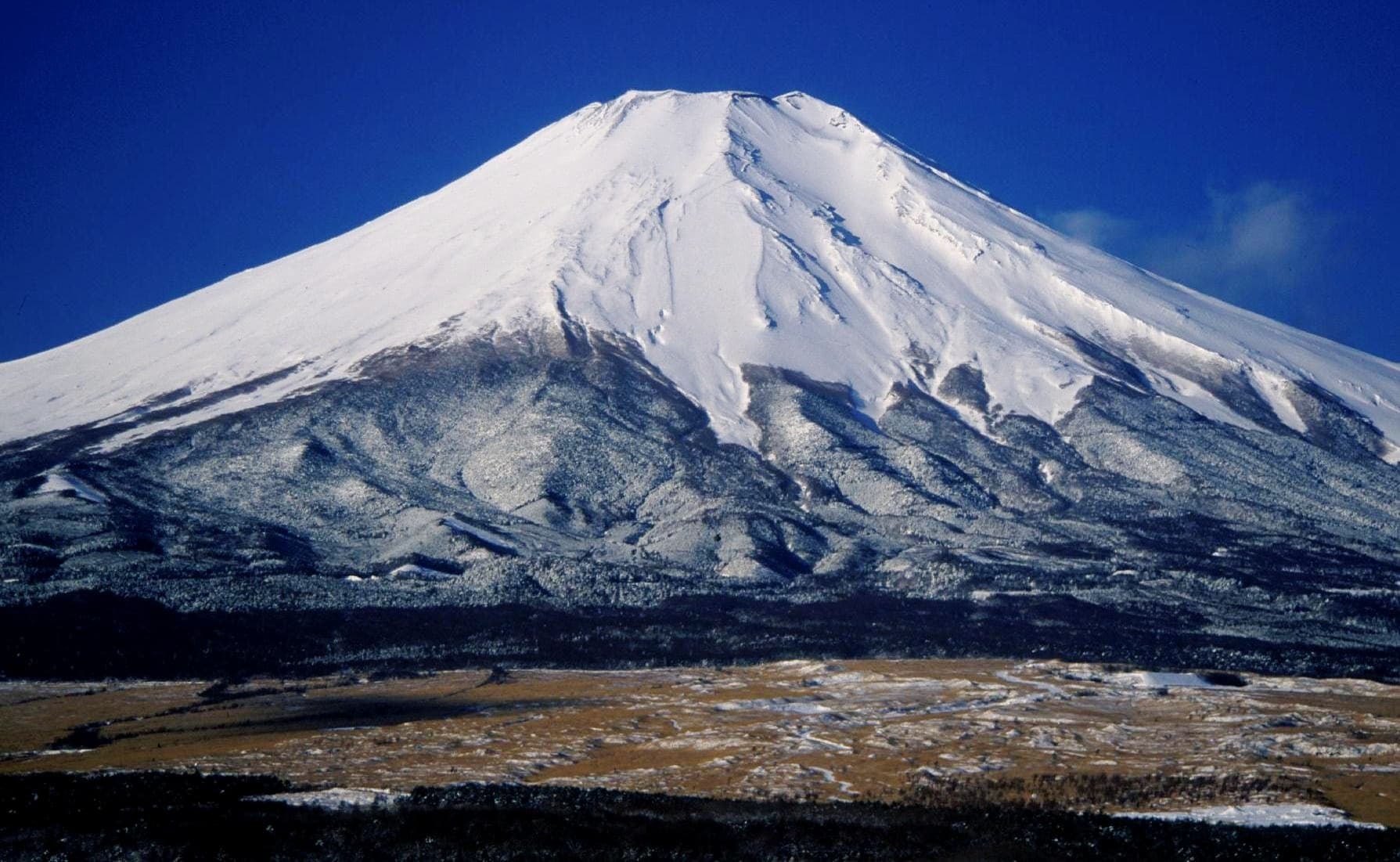
 Ville Miettinen from Helsinki, Finland / CC BY 2.0 via Wikimedia Commons
Overview
Tokyo is the largest metropolitan economy on earth folded into a city that still runs on trains to the minute. It holds centuries-old shrines a few streets from neon megablocks, some of the world’s most awarded restaurants next to standing-room ramen counters, and neighborhoods with distinct personalities within a single subway ride of each other.
If you only take one thing from this guide: buy a rechargeable IC card at the airport on arrival and stop thinking about individual train fares. Tokyo’s biggest first-timer mistake is treating it like one dense downtown; it is a collection of very different towns connected by rail, and the sights worth planning around are spread across all of them.
Best for
First-time Japan visitors · Food travelers · Design and pop culture fans · Couples · Solo travelers who like walkable cities
Daily itinerary
5 to 7 days
Unlike most megacities, Tokyo is exceptionally clean, quiet in public and safe late at night, with a rail network dense enough that a car is never useful. It rewards slow neighborhood-hopping over a checklist of monuments.
Best time to visit
Spring (late March to April) and autumn (October to November) bring mild weather and, in spring, cherry blossoms; both are peak season with matching prices and crowds. Early June avoids the worst of the rainy season while staying green; December is dry, crisp and lit for illuminations.
- March to April: Cherry blossom season; book hotels and restaurants months ahead.
- May to early June: Comfortable temperatures before the rainy season; a strong value window.
- Mid-June to July: Tsuyu (rainy season) then hot, humid summer; fewer international visitors.
- October to November: Best all-round month: mild, dry, autumn foliage from late November.
- December: Cold but dry and clear; illuminations across the city, New Year crowds at shrines.
Things worth knowing
- Cherry blossom season (sakura), typically late March to early April, centered on Ueno Park, Meguro River and Chidorigafuchi.
- Sumida River Fireworks Festival, late July, one of Tokyo’s largest fireworks displays.
- Shichi-Go-San (child blessing festival) in November, seen at shrines including Meiji Jingu.
Where to stay
Shinjuku
Tokyo’s biggest rail hub and a nightlife and skyscraper district by day and night, from the neon of Kabukicho to the calm of Shinjuku Gyoen park and the Park Hyatt’s skyline views.
Best for: Rail access · Nightlife · First-time base
Kabukicho at night is touristy and has known tout and overcharging scams around bars; stick to reviewed places.
Shibuya
Youth culture, fashion and the famous Scramble Crossing, with Harajuku and Omotesando’s boutiques and Meiji Jingu’s forest a short walk north.
Best for: Shopping · Street style · Nightlife · Couples
Weekend crowds around the Crossing and Takeshita Street can be intense.
Asakusa
Old Tokyo: Senso-ji temple, the Nakamise shopping street and low-rise streets that still feel pre-war, across the river from Tokyo Skytree.
Best for: Culture · First-time visitors · Photography
Senso-ji and Nakamise are very crowded by mid-morning; go at opening.
Ginza
Tokyo’s formal shopping and dining district: flagship department stores, Michelin-dense side streets, and the Imperial Palace grounds and Tsukiji Outer Market within walking distance.
Best for: Fine dining · Shopping · Couples
Reservations for the best restaurants need to be made well ahead, often through a hotel concierge.
Shimokitazawa
A low-rise, car-free tangle of vintage shops, live-music bars and small izakaya, popular with young Tokyoites and a contrast to the scale of central Tokyo.
Best for: Vintage shopping · Nightlife off the tourist track · No car
Fewer English-language services than central districts; narrow lanes are easy to get turned around in.
Where to sleep
Aman Tokyo
luxury · Otemachi
Best for: Couples · Design lovers · Quiet in the center
- Vast, minimalist lobby and rooms inspired by ryokan design
- Central Otemachi location near the Imperial Palace
- Large spa and pool for a city hotel
- Among the most expensive rooms in Tokyo
- Formal, minimalist style can feel cold to some travelers
- Nearest train stations still require a short walk through office towers
Hoshinoya Tokyo
unique · Otemachi
Best for: A ryokan experience without leaving the city · Couples · Onsen
- Every floor is a private ryokan wing with a shared tatami lounge
- A genuine hot-spring bath drawn from a well beneath the building
- Central Otemachi location
- Shoes-off, low-furniture rooms are not for everyone
- Small room count means it books out early
- Very expensive relative to room size
Trunk (Hotel) Cat Street
boutique · Jingumae / Shibuya
Best for: Design · Couples · A social lobby bar
- A genuinely social lobby bar that draws locals, not just guests
- Prime location between Harajuku and Shibuya
- Sustainability-minded, community-focused brand ethos
- Small rooms by international five-star standards
- Lobby bar noise reaches nearby rooms on weekend nights
- Books up during fashion and events weeks
Shibuya Excel Hotel Tokyu
boutique · Shibuya
Best for: Rail access · Couples · First-time visitors on a mid-range budget
- Directly connected to Shibuya Station via Mark City
- Upper-floor rooms have views over the Scramble Crossing
- Reliable, well-run mid-range service
- Standard rooms are compact
- Station-level noise and crowds at street level
- Design is functional rather than distinctive
Nohga Hotel Ueno Tokyo
value · Ueno
Best for: Value · Couples on a budget · Old-Tokyo base
- Rooms feature work from local artisans, not generic hotel decor
- Three minutes from Ueno Station
- Good ground-floor bistro
- Ueno is a longer ride from Shibuya/Shinjuku nightlife
- Simpler amenities than a full-service hotel
- Some rooms are small even by Tokyo standards
Essential experiences
Senso-ji
Tokyo’s oldest temple, founded in 628, reached via the Kaminarimon gate and the Nakamise shopping street; the main hall opens early and free of charge.
Meiji Jingu
A shrine to Emperor Meiji and Empress Shoken set inside a 70-hectare forest grown from about 100,000 donated trees, a genuinely quiet walk minutes from Harajuku and Shibuya.
Tokyo Skytree
At 634 meters, the tallest tower in the world, with observation decks at 350m and 450m giving 360-degree views over eastern Tokyo and, on clear days, to Mount Fuji.
teamLab Planets TOKYO
A museum you walk through barefoot, wading through water and immersive light installations; among the most-visited single attractions in Tokyo.
Tsukiji Outer Market
About 460 shops and stalls that remained after the wholesale fish market moved to Toyosu in 2018; the go-to spot for an early breakfast of fresh sushi and street food.
Shibuya Scramble Crossing
The world’s busiest pedestrian crossing, best seen once at street level and once from above at a Shibuya Sky or station-side cafe viewpoint.
Ueno Park and Ameyoko
Tokyo’s classic cherry-blossom park, home to several museums and a zoo, with the dense, informal Ameyoko market street running along its southern edge.
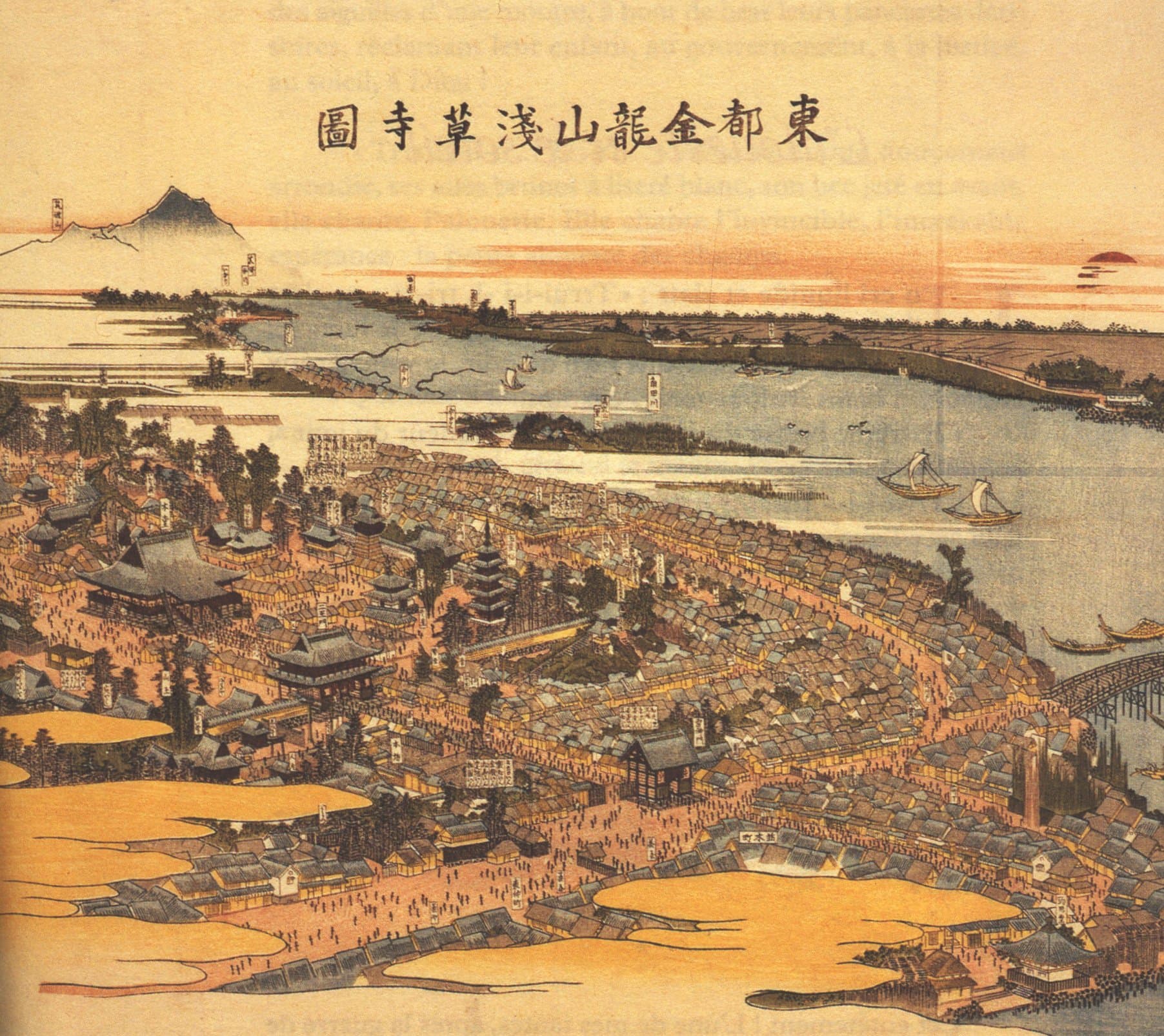 Hokkei / Public domain via Wikimedia Commons
 User:DX Broadrec / CC BY-SA 3.0 via Wikimedia Commons
Food & drink
Sushi (Edomae-style)
Tokyo is the birthplace of Edomae sushi, originally a fast-food style using vinegared rice with fresh Tokyo Bay fish.
Ramen
No single Tokyo style; shops range from rich tonkotsu to clear, citrus-inflected shoyu bowls.
Tempura
Lightly battered, quickly fried seafood and vegetables, at its best in small counter-seat restaurants.
Monjayaki
A looser, griddle-cooked cousin of okonomiyaki, associated with Tsukishima district.
Wagyu yakiniku and sukiyaki
Grilled or hot-pot beef, a splurge-worthy dinner category across the city.
Many of the best small restaurants (sushi counters, ramen shops, izakaya) are first-come or require reservations made days ahead through a hotel concierge; queueing outside popular spots before opening is normal.
Where to eat
Tsukiji Outer Market food stalls
street-foodDozens of stalls selling fresh sushi, grilled skewers and tamagoyaki on sticks; busiest and freshest before noon.
Last researched 2026-07-15
Ichiran
institutionA nationwide tonkotsu ramen chain known for individual booth seating and a customizable order form; a safe, no-language-barrier introduction to ramen.
Last researched 2026-07-15
Afuri
modernKnown for a clear, yuzu-citrus-inflected shoyu ramen, a lighter contrast to tonkotsu shops.
Last researched 2026-07-15
Sunrises
Tokyo Skytree, Sumida
Early observation-deck sessions catch sunrise over the eastern suburbs and, on clear winter mornings, Mount Fuji on the horizon.
Autumn to winter for clearest air
Sunsets
Shibuya Sky (Shibuya Scramble Square)
An open-air rooftop deck above the Crossing, with sightlines across Shibuya, Shinjuku and, in clear weather, Mount Fuji.
Year-round
Tokyo Metropolitan Government Building observatories
Free observation decks in Shinjuku with wide western views toward Mount Fuji at sunset.
Winter for the clearest Fuji views
Tokyo Tower, Minato
The 1958 red-and-white tower gives a classic, lower-rise skyline sunset view over Zojo-ji temple and central Tokyo.
Year-round
Day trips
Nikko
A UNESCO World Heritage complex of over 100 richly decorated shrine and temple buildings, centered on the Tosho-gu shrine, set in forested mountains north of Tokyo.
About 2 hours each way by train · Full day
Kamakura
A former seat of feudal government with the Great Buddha at Kotoku-in, dozens of temples, and a short local beach town feel by the sea.
About 1 hour each way by train · Full day
Hakone
A hot-spring resort area in the Fuji-Hakone-Izu National Park, with a lake, an active volcanic valley, and, on clear days, views of Mount Fuji from the ropeway.
About 90 minutes each way by train · Full day
After dark
Shinjuku Golden Gai and Omoide Yokocho
nightlifeTiny, atmospheric alleys of a few-seat bars and yakitori stalls, some tourist-friendly and some strictly local.
Sunset from Shibuya Sky then dinner in Shibuya or Ebisu
foodTime the rooftop deck for golden hour, then walk down into Shibuya or Ebisu for dinner.
Daily itinerary
Five days in Tokyo: old and new, plus one day trip
Two neighborhood-focused days, one day trip, one central culture-and-food day, and a slow departure day. All on trains, no car needed.
- 1
Asakusa and Ueno (old Tokyo)
moderateSenso-ji and Nakamise street at opening, before the crowds build.Tempura or soba near Asakusa.Ueno Park and Ameyoko market.Tokyo Skytree observation deck across the river.Izakaya dinner in Asakusa.Quiet walk back along the Sumida River.Fully walkable within each area; short train hop between Asakusa and Ueno.Estimate: Swap Ueno for a Tokyo National Museum visit if the weather is poor.
- 2
Shibuya, Harajuku and Shinjuku (new Tokyo)
fullMeiji Jingu forest walk, then Takeshita Street in Harajuku.Casual ramen or cafe in Harajuku.Omotesando shopping, then Shibuya Scramble Crossing.Shibuya Sky rooftop deck.Dinner in Shibuya or a short ride to Shinjuku.Omoide Yokocho or Golden Gai in Shinjuku.Short trains between Harajuku, Shibuya and Shinjuku on the Yamanote loop line.Estimate: Skip Golden Gai for an early night before the day trip.
- 3
Day trip: Nikko or Kamakura
fullEarly train out (Nikko for shrines and mountains, Kamakura for the Great Buddha and coast).Local lunch at the day-trip destination.Continue sightseeing at the destination.Dinner back in Tokyo after the return train.Rest after a full travel day.Round trip by train; Nikko is the longer ride, Kamakura the lighter option.Estimate: Swap for Hakone if Mount Fuji views and onsen matter more than temples.
- 4
Ginza, Imperial Palace and teamLab
fullImperial Palace East Garden, then Tsukiji Outer Market for a late breakfast.Sushi or a casual meal at Tsukiji.Ginza shopping and department-store food halls (depachika).Tokyo Tower or a Ginza rooftop.A reserved dinner in Ginza if budget allows, or a casual option nearby.teamLab Planets in Toyosu (evening sessions run late).Short train/taxi hops between Ginza, Tsukiji and Toyosu.Estimate: Move teamLab Planets to the morning if evening sessions are sold out.
- 5
Slow morning and departure
relaxedA last neighborhood walk (Shimokitazawa for vintage shopping, or back to a favorite area).Lunch near your hotel before heading to the airport.Airport transfer via Narita Express or Keikyu/Tokyo Monorail to Haneda.Departure.Leave at least 2 hours before an international flight for airport transfer and check-in.Estimate: Extend to 6 days and add a second day trip if time allows.
Getting around
- Narita International Airport (NRT) is about 60 to 90 minutes from central Tokyo by Narita Express or Skyliner train.
- Haneda Airport (HND) is closer, about 30 to 45 minutes from central Tokyo via monorail or the Keikyu line, and handles a large share of both domestic and international flights.
- Buy a rechargeable IC card (Suica or Pasmo, including tourist-oriented Welcome Suica) at the airport or a JR station on arrival; it covers nearly all trains, subways and buses.
- The JR Yamanote loop line connects most major districts (Shinjuku, Shibuya, Ueno, Tokyo Station); subways fill in the rest.
- Taxis are metered, reliable and safe but expensive relative to trains; useful late at night when trains stop running (roughly midnight to 5am).
Things worth knowing
- · Not buying an IC card on arrival and fumbling with paper tickets at every station.
- · Underestimating how spread out the city is and trying to see too many districts in one day.
- · Assuming trains run all night; the last trains are generally before 1am.
Budget
| Low | Expected | Comfortable | |
|---|---|---|---|
| Accommodation style / per night | ¥9,000≈ $57 | ¥25,000≈ $158 | ¥65,000≈ $411 |
| Food style / per day | ¥3,000≈ $19 | ¥7,500≈ $47 | ¥16,000≈ $101 |
| Local transport / per day | ¥800≈ $5 | ¥1,500≈ $9 | ¥4,000≈ $25 |
| Estimate / per day | ¥500≈ $3 | ¥2,000≈ $13 | ¥5,000≈ $32 |
Estimate · JPY · 2026-07-15. Accommodation is per room per night (two sharing). Cherry blossom (late March to early April) and autumn foliage (November) weeks run well above "expected" figures. · 1 USD = ¥158 (14 Oct 2026)
Things worth knowing
Frequently asked questions
How many days do you need in Tokyo?
Five to seven days lets you cover old and new Tokyo neighborhoods properly and add one day trip; three days is workable but rushed if you also want a day trip out.
What is the best area to stay in Tokyo for the first time?
Shinjuku or Shibuya for rail access and nightlife, or Ginza/Tokyo Station for a quieter, more central base with easy day-trip access.
When is the best time to visit Tokyo?
Late March to early April for cherry blossoms or October to November for mild weather and autumn color; both are peak season, so book well ahead. Late May to early June is a quieter, cheaper alternative.
Do you need a car in Tokyo?
No. The rail and subway network covers the entire city and beyond; a car is a liability given traffic and parking.
What is the best day trip from Tokyo?
Nikko for UNESCO-listed shrines and mountain scenery, Kamakura for a lighter half-day of temples and the Great Buddha, or Hakone for hot springs and Mount Fuji views.
Sources (3)
- Shrines and Temples of Nikko is a UNESCO World Heritage site · unesco · 2026-07-15
- Senso-ji is Tokyo’s oldest temple, founded in 628 AD · official · 2026-07-15
- Tokyo neighborhood, transport and attraction overview · tourism-board · 2026-07-15