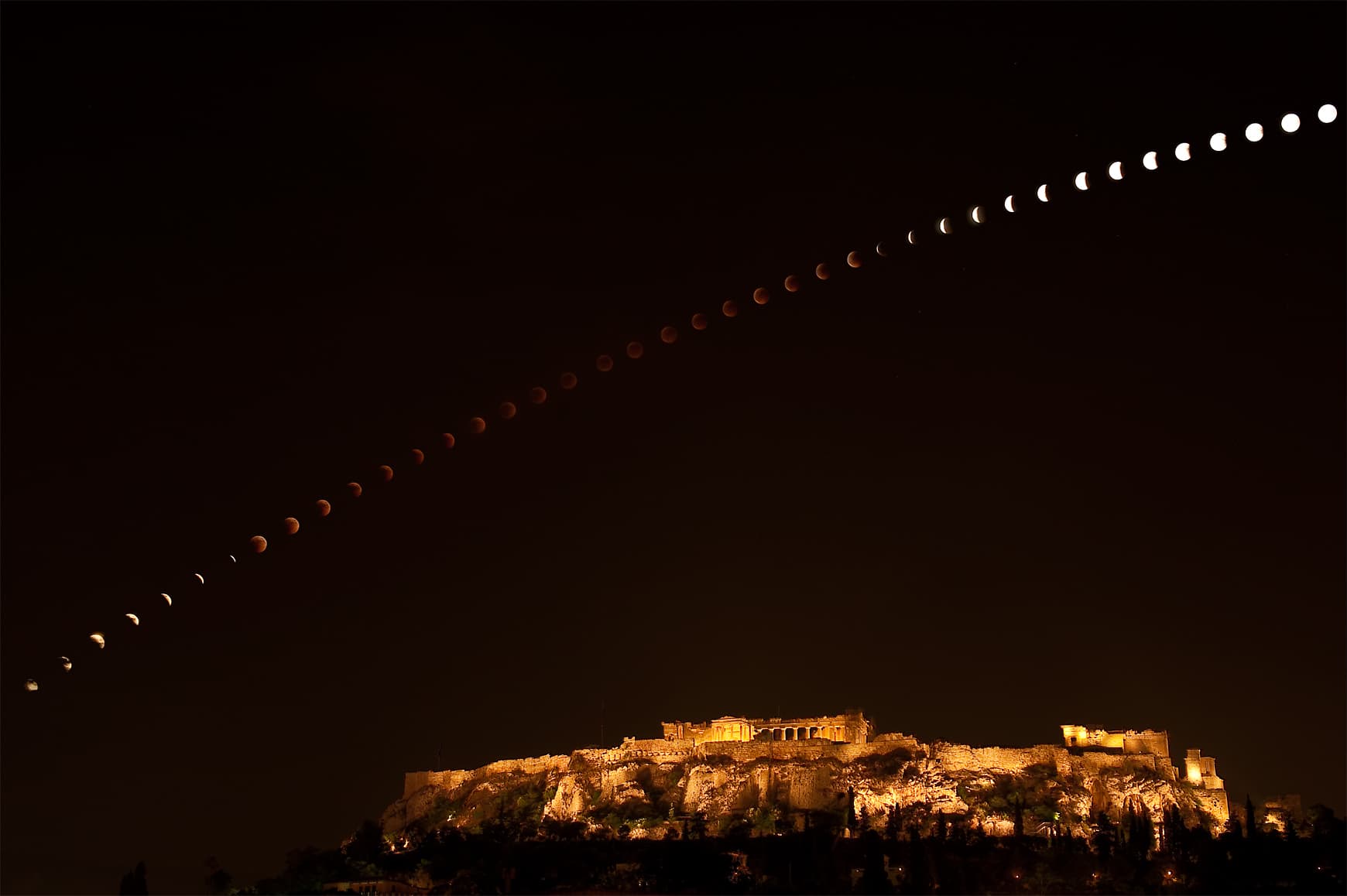
Israel · Gush Dan, Mediterranean coast
Tel Aviv
Come in April to June or September to November, sleep around Rothschild or in the Old North, eat your way from Carmel Market to Levinsky, give Jaffa a full day, swim at a lifeguarded beach in the morning before the heat, take the train to Jerusalem midweek, and treat Friday afternoon to Saturday night as beach-and-long-lunch time rather than errand time.
 Godot13 / CC BY-SA 4.0 via Wikimedia Commons
Overview
Tel Aviv is the Mediterranean city that runs on a different clock: the workweek starts on Sunday, the social weekend begins on Thursday night, and once a week the whole place exhales into Shabbat, when the buses stop, half the restaurants stay defiantly open, and the beach becomes the city's living room. Founded in 1909 on sand dunes north of the ancient port of Jaffa, it grew into the cultural and commercial heart of Israel and holds the world's largest concentration of Bauhaus buildings, some 4,000 of them, inscribed by UNESCO in 2003 as the White City. The reason to come now is the food and the shoreline: a roughly 14-kilometre coastline carrying 13 managed, seasonally lifeguarded city beaches, with a promenade you can walk or cycle from the Yarkon estuary to Jaffa's hill, and an eating scene that treats a falafel counter and a tasting menu with the same seriousness. 2026 finds the city in visible recovery: foreign carriers have been returning to Ben Gurion Airport week by week through the summer, with Delta back on 6 September and United two days later, and the visitors who do come find the sights strikingly uncrowded for a city of this rank.
Tel Aviv in autumn 2026 is a city working hard to be visited, and we would take it up on that, with three provisos. First, timing: the run of Rosh Hashanah, Yom Kippur, Sukkot and Shemini Atzeret between 11 September and 3 October compresses everything, so this year we would either embrace the holidays knowingly or come from mid-October, when the sea is still around 26 degrees and the airfares finally have competition again. Second, money: at 3 shekels to the dollar this is the most expensive city we plan trips to on this sea, so we would spend where the city is genuinely world class, one tasting-menu evening and the best hummus and market food for lunch, and sleep one street back from the water where rates drop fast. Third, the weekly clock: we would build the plan backwards from Shabbat, museums and Jaffa on Saturday, day trips Sunday to Thursday, Carmel and Levinsky markets on Friday morning. Check your government's travel advice and make your own call; once made, the practical city is easy, flat, safe-feeling and completely walkable.
Best for
Food travelers · Beach city breaks · Couples · LGBTQ travelers · Bauhaus and architecture fans · First visits to Israel
Daily itinerary
4 to 5 nights: three for the city and its neighborhoods, one or two for train day trips to Jerusalem or the coast. A long weekend works if you skip the day trips.
No other city pairs this urban density with this much usable sea. The beach is not a day trip or a resort strip: it is the western edge of every street, free, lifeguarded from spring to autumn, and in genuine daily use by the people who live here. The rhythm is the other difference. Friday morning is the week's crescendo, when the markets peak and the cafes fill; by late afternoon the shutters come down, intercity transport stops, and Saturday belongs to swimmers, cyclists and long lunches until three stars appear and the city restarts. Visitors who fight that rhythm lose a day standing at a bus stop; visitors who plan around it get the best of both cities, the loud one and the quiet one. And unlike almost anywhere else on this sea, the story here in 2026 is not overtourism but the opposite: a city built for far more visitors than it currently receives.
Best time to visit
Tel Aviv has a long swimming year and two clear sweet spots. April to June brings 22 to 29 degree days, a warming sea and the city's festival season. September and October stay hot and humid at first, then settle into what locals consider the best beach weather of the year, with a 27 degree sea and thinning humidity; the catch in 2026 is the holiday cluster from 11 September to 3 October, which reshapes hours and transport for three weeks. July and August are hot, humid and very much alive, with beach life shifting to mornings and evenings. November to March is the mild, rainy season: 17 to 20 degree days, proper storms between sunny stretches, museum and food weather rather than swimming weather, and the year's lowest hotel rates.
- December to February: The mild, wet season: 17 to 20 degrees, real rain in short storms, and the city at its most local. The sea drops toward 17 degrees and only year-round swimmers stay in it. The lowest hotel rates of the year and hardly a visitor queue at the sights.
- March to May: Spring builds fast: by April the sea passes 20 degrees, terraces fill, and the events calendar starts. Passover week moves with the calendar and brings a holiday rhythm of closures and domestic crowds; check the dates for your year.
- June to August: Hot, humid, long-lit and social. Beach life runs early morning and after five; the middle of the day belongs to air conditioning, museums and iced coffee. Jellyfish swarms drift through in July and August some years, posted at lifeguard stations when they do.
- September to November: The autumn holidays (in 2026: Rosh Hashanah 11 to 13 September, Yom Kippur 20 to 21 September, Sukkot into Shemini Atzeret 25 September to 3 October) compress the first half. From mid-October the humidity breaks, the sea holds near 26 degrees, and this becomes arguably the best month of the Tel Aviv year; note the lifeguard season ends on 8 October, so later swims are unsupervised and officially discouraged.
Things worth knowing
- The autumn holidays 2026: Rosh Hashanah from sunset 11 September to nightfall 13 September, Yom Kippur from sunset 20 September to nightfall 21 September, Sukkot from sunset 25 September with Shemini Atzeret closing the season at nightfall on 3 October. Each eve behaves like an intense Friday, holiday days like Saturdays, and on Yom Kippur the country stops almost entirely: no flights, no broadcast, and ordinary road traffic all but disappears. Plan around them or into them, but not through them.
- Tel Aviv Marathon (late February): tens of thousands take over the seafront and boulevards; the next edition is expected on 26 February 2027. Book a room early if your dates collide, and enjoy the closed roads if you run.
- Purim (March, dates move with the calendar): the city's costume holiday, with street parties and a general refusal to act its age for about 48 hours.
- Tel Aviv Pride (June): one of the largest Pride events on the Mediterranean; the 2026 parade drew over 100,000 to the seafront on 12 June. The whole month leans festive around it.
- White Night, Laila Lavan (late June): the UNESCO-inscription anniversary keeps venues, stages and museums open toward dawn across the city, free. The 2026 edition ran on 25 June.
- Open House Tel Aviv, Batim Mibifnim (May): a weekend when private Bauhaus apartments, towers and landmark buildings open free to visitors. The 2026 edition ran 7 to 9 May; 2027 dates are announced nearer the time.
Where to stay
 Rakoon · CC0 via Wikimedia Commons
Lev Ha'ir and Rothschild Boulevard
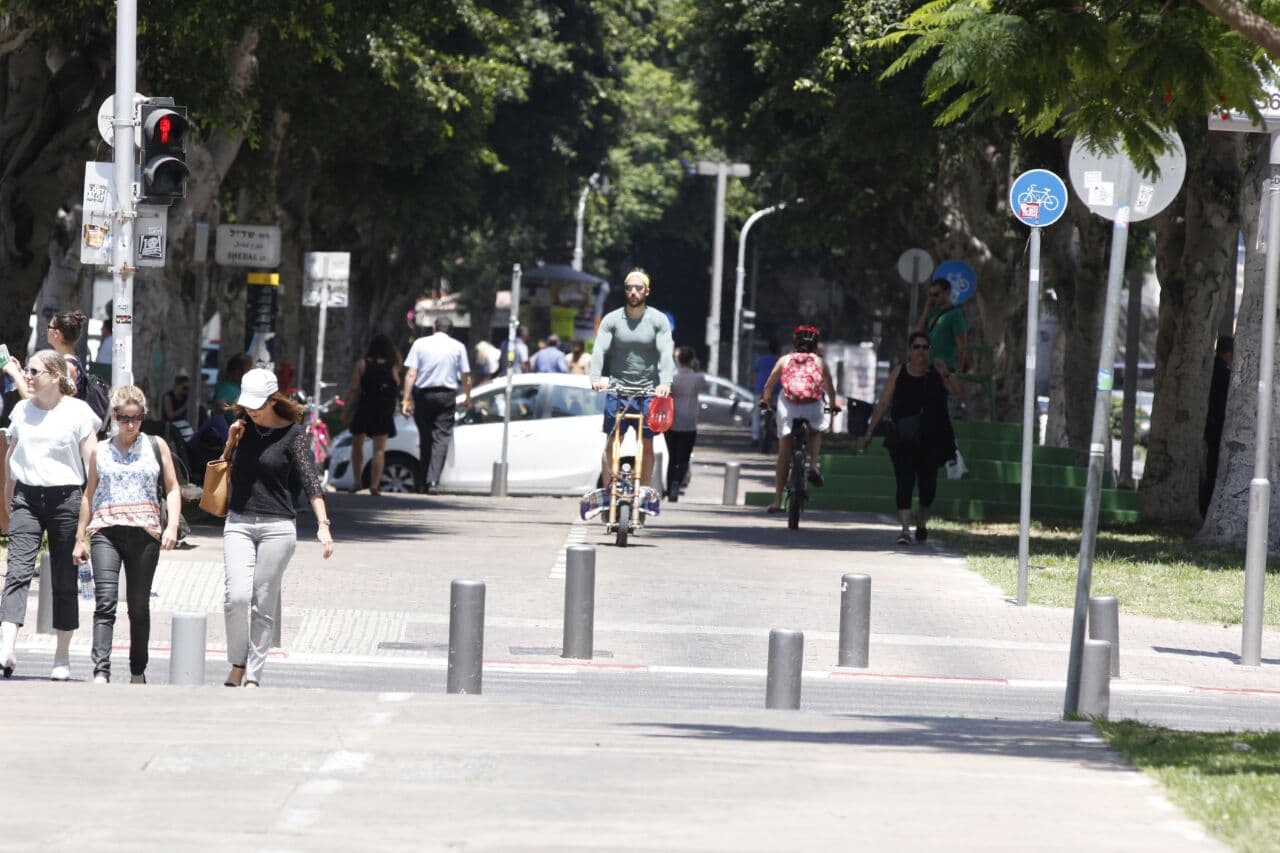
The city's spine: the shaded central strip of Rothschild Boulevard running past the best of the Bauhaus stock, with kiosks-turned-espresso-bars down the middle, the restored 1930s blocks around Nachmani and Montefiore streets, and the light rail underneath at Allenby. This is where Tel Aviv's cafe-office-terrace life is densest, ten flat minutes from both the beach and Carmel Market.
Best for: First-time visitors · Food and cafe density · Bauhaus architecture at the front door · Walking to everything
Bar streets around Rothschild and Allenby run late, especially Thursday and Friday nights; ask for a quiet or rear-facing room. No sea view at this address, only a short walk to it.
 Danny Lyulyev · CC BY-SA 3.0 via Wikimedia Commons
Neve Tzedek
The first Jewish neighborhood built outside Jaffa, from 1887, and now the city's prettiest quarter: low Ottoman-era houses on narrow lanes, the Suzanne Dellal dance centre in its bougainvillea courtyard, boutique shopping on Shabazi Street, and the restored HaTachana rail station complex at its foot. Five minutes from the southern beaches, fifteen on foot from Jaffa.
Best for: Couples · Boutique stays · A village feel inside the city · Photographers
The smallest and most expensive quarter, with limited room stock that books out first. Quiet by 10pm, which is either the point or a drawback.
 ישראל פרקר · CC BY 2.5 via Wikimedia Commons
Kerem HaTeimanim and Carmel Market
The Yemenite Quarter: a knot of low streets between Carmel Market and the sea that kept its grandmother-cooking restaurants and small-scale feel while the towers rose around it. The market runs down HaCarmel Street daily except Saturday, produce and spice stalls up front, and an eating-and-drinking scene threaded through the alleys behind that has become one of the city's best evenings.
Best for: Market food · Staying two minutes from the beach · Atmosphere over polish
Market-adjacent means early noise, delivery trolleys and some scruff; room quality varies more here than anywhere central. Saturday the market itself is shuttered.
 Ron Naveh · CC BY-SA 4.0 via Wikimedia Commons
The Old North and the Port
The established residential north between Dizengoff Street and the sea: leafy, calm, full of neighborhood cafes and small design shops, with Gordon and Hilton beaches at its edge and the wooden decking of the Tel Aviv Port entertainment district and Park HaYarkon closing it to the north. The classic beach-hotel strip along HaYarkon Street runs its length.
Best for: Beach-first stays · Families · Runners and cyclists · A quieter base with full city access
Jaffa and the south-city food streets are 45 minutes or more on foot from here, so you will ride bikes or buses more. The port complex is lively but corporate compared with the south.
 LeRenartQuiPense · CC BY-SA 4.0 via Wikimedia Commons
Florentin
The south city's workshop-and-warehouse quarter turned street-art and bar district, with the Levinsky spice market as its anchor: Balkan and Persian delis, tiny counters pouring arak and building sandwiches, and walls that double as a rotating open-air gallery. The young Tel Aviv night runs latest here.
Best for: Nightlife · Street art · Levinsky market grazing · Budget-leaning stays
Gritty in the literal sense: noise, graffiti and construction are part of the deal, and some blocks toward the bus-station area feel rough after dark. Light sleepers should look north.
 שלמה רודד · CC BY 2.5 via Wikimedia Commons
Jaffa (Yafo)
The 4,000-year-old port city the modern one grew out of: the restored Old City's stone lanes and galleries on the hill above the fishing harbour, the flea market quarter (Shuk Hapishpeshim) where antique stalls, bars and restaurants share the same streets, and the mixed Jewish-Arab fabric that gives Jaffa a rhythm of its own, including the only neighborhoods where much stays open through Shabbat.
Best for: History and atmosphere · The flea market scene · Shabbat weekends · Couples
The hill and the flea market are the polished face; Ajami and the streets south are real, mixed and less curated. It is a 30 to 45 minute walk or a bike ride from the central beaches, so plan the commute or sleep here deliberately.
Where to sleep
The Norman
luxury · Nachmani Street, off Rothschild
Best for: The city's benchmark boutique stay · Design and art collectors · A rooftop pool over the White City
- Two restored 1920s buildings a block off Rothschild, done with real art on the walls and a 1920s-Tel Aviv attention to detail that no chain here matches
- The rooftop infinity pool and sun deck look across the low White City roofs, a rare thing in a city whose pools mostly face towers
- Dinner, bar and breakfast are destinations in their own right, so the hotel works even on the nights you stay in
- No sea at the address: the beach is a 15 minute walk, which matters in August
- The intimate scale sells out weeks ahead in the sweet-spot months, and rates sit at the very top of the city
 מיכאל יעקובסון · Attribution via Wikimedia Commons
Carlton Tel Aviv
luxury · Seafront by the marina, north end of the promenade
Best for: A sea view from bed · Rooftop pool and marina mornings · Beach-first trips that still want the city
- Directly above the marina and Atarim seafront with genuine full-sea views from the west-facing rooms, and the rooftop pool deck to match
- Gordon and Hilton beaches, the port and the Old North cafes are all within ten flat minutes
- An Israeli-run independent with a long local track record rather than a flag, which shows in the service
- The immediate landward surroundings, the Atarim plaza, are the least lovely blocks on the seafront pending a long-debated redevelopment
- The building is a classic seafront tower: efficient rather than charming, so pay for the view side or reconsider
 שלמה רודד · CC BY 2.5 via Wikimedia Commons
The Jaffa, a Luxury Collection Hotel
luxury · Old Jaffa, Louis Pasteur Street
Best for: Sleeping inside a monument · Couples · A base for the Jaffa-first version of the trip
- A 19th-century convent and hospital complex of the Sisters of St Joseph on the Jaffa hill, converted around a courtyard with the chapel kept as a bar: the most architecturally serious hotel in the city
- John Pawson's restoration plays the 120 rooms' old stone against clean contemporary lines, and the courtyard pool is a genuine retreat
- Old Jaffa's lanes, the port and the flea market are all outside the door, and this corner of the city keeps living through Shabbat
- You are 30 to 45 minutes on foot from the central beaches and the Rothschild food streets, so most outings involve a ride
- Grand-hotel pricing, and the sea here is harbour and rocks rather than a swimming beach
 Avi1111 dr. avishai teicher · CC BY-SA 4.0 via Wikimedia Commons
The Drisco
boutique · American-German Colony, between Neve Tzedek and Jaffa
Best for: History with the polish of a small grand hotel · Adults traveling without children · A quiet base between Jaffa and Neve Tzedek
- The 1866 Jerusalem Hotel of the American Colony, restored to Relais and Chateaux standard with hand-painted ceilings and a genuinely storied building, marking its 160th anniversary in 2026
- The American-German Colony is a pocket of quiet streets ten minutes from both Neve Tzedek and the Jaffa flea market
- Small enough that service is personal, with a wine bar and rooftop that reward staying in
- Adults-first policy (children from 12, accompanied) rules out family trips
- No pool and no beachfront; the sea is a 10 to 15 minute walk and the swimming beaches slightly further
Hotel Montefiore
boutique · Montefiore Street, Lev Ha'ir
Best for: A dozen-room hideaway above one of the city's classic brasseries · Food-first travelers · The Rothschild quarter at its best
- A restored 1920s townhouse with a handful of high-ceilinged rooms, run by the team behind some of the city's defining restaurants, so the brasserie downstairs is a reason to book in itself
- The Montefiore-Nachmani corner is the prettiest streetscape in central Tel Aviv, with Rothschild one block away
- Feels like staying in a well-run private house rather than a hotel
- Very few rooms, so availability is the real constraint; book far ahead or be flexible
- No pool, no gym, no sea view: this is a city house, and the beach is a 15 minute walk
The David Kempinski Tel Aviv
luxury · Seafront promenade, by the Yemenite Quarter
Best for: Full-service beachfront luxury · Kosher fine dining in a five-star frame · Sea-view suites with the city behind them
- The newest of the seafront five-stars, opened in 2022, with 250 rooms, sea-facing balconies, a pool deck above the promenade and the polish of a flagship the brand wanted to get right
- The position is the best of the beach strip for walkers: Carmel Market and the Yemenite Quarter are directly behind, the beach directly in front
- Kosher dining done at ambition level, which matters for observant travelers who usually trade down to get it
- A big glass tower with international-flagship pricing; charm is not the offer, execution is
- The beachfront rooms carry a premium and the city-side rooms miss the point of the address
The Setai Tel Aviv
luxury · Jaffa, by the Clock Tower Square
Best for: Ottoman architecture with a rooftop pool over the sea · The Jaffa end of the city · Travelers who want a compound of quiet
- A restored Ottoman-era kishle, the old jail and police compound by Jaffa's clock tower, built around courtyards with the rooftop pool looking over the harbour toward the city skyline
- A Leading Hotels of the World member with spa and hammam, at the seam between Old Jaffa, the flea market and the start of the promenade north
- Thick historic walls mean genuine quiet, rare at this end of town on weekend nights
- Like all of Jaffa, a ride rather than a stroll from the central swimming beaches and the Rothschild restaurant streets
- The heritage shell means some rooms are smaller or darker than the price implies; ask what you are getting
Fabric Hotel
design · Nahalat Binyamin, south Lev Ha'ir
Best for: Design on a sane budget · Solo travelers and couples who live in the streets, not the room · The market-and-bar end of the centre
- An Atlas boutique property in a converted textile-district building between Nahalat Binyamin and Allenby, with a compact rooftop and a lobby bar that functions as a neighborhood hangout
- One of the best value-for-position beds in the city: Carmel Market, Levinsky, Rothschild and the beach are all inside 15 minutes on foot
- Rooms are small but sharply designed, and rates undercut the seafront by a wide margin
- This is the loud, lived-in end of the centre: light sleepers should ask for an upper rear room or look to the Old North
- Compact rooms and no pool; the offer is location and style, not resort comfort
Essential experiences
 Godot13 · CC BY-SA 4.0 via Wikimedia Commons
Old Jaffa and the port
The hill where the city began: a port claimed as one of the oldest continuously working harbours in the world, the restored Ottoman lanes of the Old City climbing above it, St Peter's Monastery on the crest, the wishing bridge and the view back across the whole sweep of the Tel Aviv shoreline. Come twice if you can: once in daylight for the galleries, the flea market below and the fishing harbour, and once at golden hour, when the sandstone goes amber and the skyline lights up across the bay. The Old City and port are free and always open; the small museums and galleries keep their own hours. From the clock tower, built in 1903 under the Ottomans, everything is walkable.
 Jorge Láscar from Australia · CC BY 2.0 via Wikimedia Commons
Carmel Market (Shuk HaCarmel)
The city's main market since the 1920s, running the length of HaCarmel Street from Allenby toward the sea: produce, spices, olives, halva and t-shirt stalls up front, and behind the stalls a parallel city of counters and bars that turned the market into one of Tel Aviv's defining eating scenes. Go hungry mid-morning for the classic version, or Thursday evening and Friday morning for the pre-Shabbat crescendo, when all of Tel Aviv shops at once and the energy is the attraction. Closed Saturdays. Parts of the market are under long-discussed renewal works, so expect scaffolding somewhere along the run.
 Artem.G · CC BY-SA 4.0 via Wikimedia Commons
The White City and its Bauhaus streets
Tel Aviv holds some 4,000 buildings in the International Style, built largely in the 1930s by architects who trained in Europe, many at the Bauhaus itself, and brought modernism to the sand: the largest such concentration anywhere, inscribed by UNESCO in 2003. The way to see it is to walk with your eyes at second-floor level along Rothschild Boulevard, Bialik Street and Dizengoff Square, watching for ribbon balconies, thermometer stairwells and ship's-prow curves. The Liebling Haus on Idelson Street, the White City Center, anchors it with exhibitions and architecture tours from a restored 1936 building, and the Bauhaus Center on Dizengoff runs guided and self-guided walking tours if you want the buildings decoded.
Liebling Haus, the White City Center ↗White City of Tel Aviv, UNESCO ↗View on map ↗
 Yair Haklai · CC BY-SA 3.0 via Wikimedia Commons
Tel Aviv Museum of Art
The country's leading modern and contemporary collection, split between the 1971 main building and the folded-concrete Amir Building whose central "lightfall" atrium is a work in its own right: Israeli art in depth plus Impressionist-to-contemporary international holdings. Admission is 55 shekels for adults, 45 for students, 27 for seniors, modest for a museum of this rank. Open Monday to Saturday with late Tuesday and Thursday evenings to 9pm, Friday until 2pm, and closed Sundays, which catches out visitors every week: in Tel Aviv, Sunday is the museum world's Monday. The Eyal Ofer Pavilion was listed as temporarily closed at research time; the main collections are unaffected.
 Talmoryair · CC BY 3.0 via Wikimedia Commons
ANU, Museum of the Jewish People
On the Tel Aviv University campus, the museum that reopened in 2021 after a decade-long, 100-million-dollar rebuild into one of the most ambitious museums in the country: three floors telling the story of the Jewish people across communities, continents and centuries, built to be argued with rather than filed past. Plan two to three hours minimum. Admission is around 52 shekels for adults; open Sunday to Thursday with a late Thursday evening, Friday mornings, and Saturday, making it one of the few major museums here open on both Saturday AND Sunday. Reachable by train to Tel Aviv University station plus a short walk.
 Talmoryair · Public domain via Wikimedia Commons
MUZA, the Eretz Israel Museum
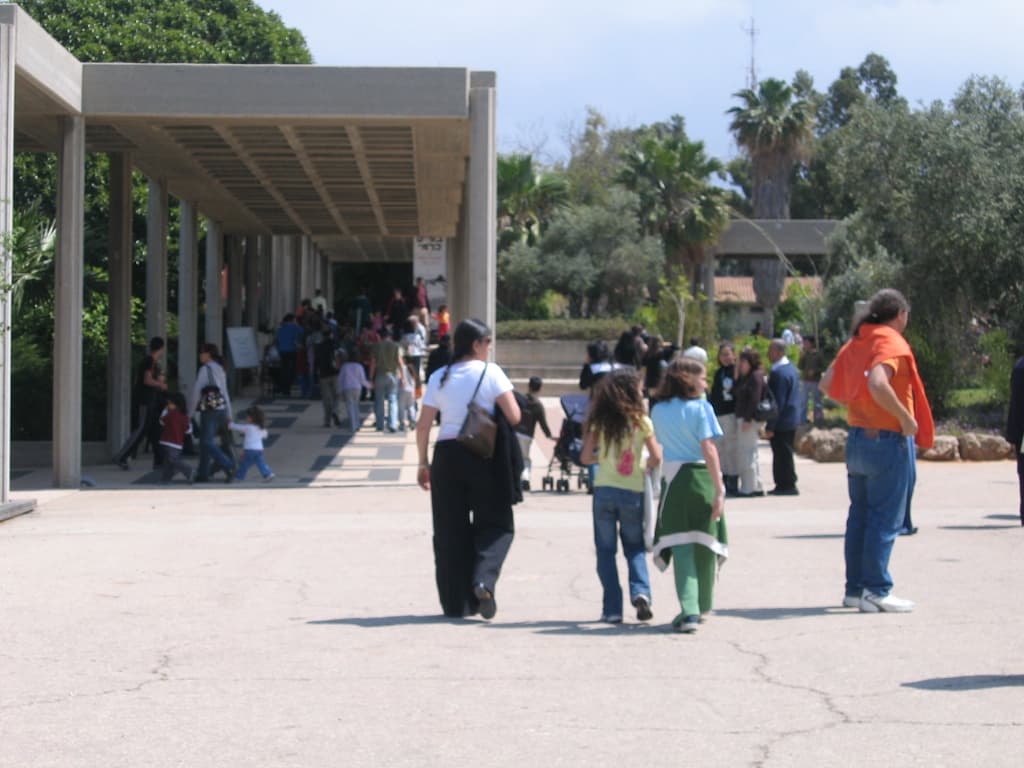
The city's sprawling museum of local material culture, built over the ancient mound of Tell Qasile: pavilions of glass, ceramics, coins and folklore around gardens you wander between exhibits, a planetarium, and an active season of design shows. Through 7 November 2026 it hosts the Tel Aviv Biennale of Crafts and Design, the best single reason this year to make the trip north. Adults 58 shekels, under-18s free for the permanent collections, and the surrounding MUZA Park is free and open 8am to 6pm. Closed Sundays, like most Tel Aviv museums; open Saturday.
 Izemah · CC BY-SA 4.0 via Wikimedia Commons
Rothschild Boulevard
The city's founding street, laid out in 1910 with a shaded pedestrian-and-cycle strip down the middle that functions as Tel Aviv's common living room: espresso kiosks, benches under the ficus trees, dog walkers at 7am and half the city at 7pm. Independence Hall at number 16, where David Ben-Gurion declared the State of Israel on 14 May 1948, has been closed for a long renovation with a temporary visitor exhibition nearby; check current status before planning around it. The boulevard is also the axis of the Bauhaus city, and following it end to end from Neve Tzedek to Habima Square is the single best free hour of orientation Tel Aviv offers.
 Yeshaya Dinerstein · Pexels
The beaches, by name
Thirteen managed city beaches run north to south, each with its own crowd. Hilton splits in three: the surfers' break, the city's famous LGBTQ beach, and the fenced dog beach beside it. Gordon and Frishman are the classic central sands with matkot paddles clacking and beach bars; Jerusalem Beach is the backpacker-social stretch; Alma and Ajami down by Jaffa are quieter and more local. The separate-gender religious beach at Nordau runs alternating men's and women's days (and opens to everyone on Saturday). Lifeguard season runs spring to autumn, in 2026 through 8 October, with towers operating roughly 7:15am to late afternoon; swimming outside supervised hours or where a black flag flies is prohibited and the current here deserves the rule. All beaches are free, with showers and most with free wifi.
 Виктор Соломоник · Pexels
The Jaffa flea market (Shuk Hapishpeshim)
A few blocks of genuine flea market, rugs, brass, mid-century furniture and boxes of unsorted maybe-treasure, that grew a ring of bars, cafes and some of the city's most interesting restaurants without losing the junk-shop core. Mornings are for the stalls and haggling, Thursday and Friday afternoons for the tables that spill into the lanes, and night for the bar scene. Most stalls close Saturday but a good share of the restaurants and bars in the quarter trade right through the weekend, which makes this, with Old Jaffa above it, the city's best Shabbat destination.
 Ynhockey · CC BY-SA 4.0 via Wikimedia Commons
Tel Aviv Port and Park HaYarkon
The 1930s port at the city's northern tip, closed to shipping in 1965 and reborn as a wooden-decked waterfront of restaurants, a covered farmers' market and weekend crowds rolling by on wheels of every kind. Behind it, Park HaYarkon spreads along the river: 3.5 square kilometres of lawns, rowing boats, bike paths and eucalyptus, the green counterweight to the beach. Rent bikes and do the classic loop: through the park along the river, out to the port, then south down the promenade as far as your legs vote. The port decking is one of the few big public spaces that stays fully alive on Saturdays.
 Аlex Ugolkov · Pexels
Levinsky Market and Florentin street art
Levinsky Street's spice-and-deli row is where the city's Balkan and Persian grocery heritage turned into a grazing route: burekas, cured fish, dried fruit, arak poured over ice at counters the size of a wardrobe. Around it, Florentin's walls carry the country's densest street art, from tag-level scrawl to commissioned murals, best explored by wandering the blocks between Herzl and Abarbanel with no particular plan. Go Friday late morning when the market peaks, then walk it off through the murals while the city empties into the weekend.
 Anagoria · CC BY 3.0 via Wikimedia Commons
Rabin Square
The city's civic plaza in front of the brutalist City Hall, renamed for Prime Minister Yitzhak Rabin after his assassination here on 4 November 1995 at the end of a peace rally. The small memorial of basalt stones stands at the spot on Ibn Gvirol Street, with the graffiti wall preserved behind glass nearby. It is not an attraction so much as the place where the country's modern history keeps being negotiated: demonstrations, memorials and city fairs share the same slab. Worth twenty minutes and the reading beforehand.
 Noam.armonn / CC BY-SA 3.0 via Wikimedia Commons
 אילן ארד / CC BY-SA 3.0 via Wikimedia Commons
Food & drink
 Gilabrand · CC BY-SA 3.0 via Wikimedia Commons
Hummus, as a meal
In Israel hummus is not a dip but lunch: a plate wiped clean with pita at a specialist hummusiya that does little else, ideally before 2pm when the day's pot runs out. Toppings split into camps: whole chickpeas, ful (fava), or masabacha, warm and loose. Jaffa's old hummus houses are the pilgrimage version.
 Gilabrand · CC BY-SA 3.0 via Wikimedia Commons
Sabich
The Iraqi-Jewish Shabbat breakfast folded into a pita: fried eggplant, hard-boiled egg, tahini, salad, potato and amba, the pickled-mango sauce that makes it. Tel Aviv claims it as its own street food, and the debate over the city's best counter is a civic sport.
 The Castlebar · Pexels
Shakshuka
Eggs poached in a pan of slow-cooked tomatoes and peppers, arriving at the table still bubbling with bread for the sauce. A North African import that became the national breakfast; the classic versions come red, the deviations green or loaded with eggplant and cheeses.
 HamZa NOUASRIA · Pexels
Falafel
The chickpea fritter at its point of origin-adjacent perfection: ordered in pita with salads, tahini and optional chips stuffed on top, eaten standing, finished before the tahini reaches your elbow. A proper stand fries continuously and the line moves fast.
 PeleYoetz · CC0 via Wikimedia Commons
Bourekas and the bakery counter
Flaky filled pastries, cheese, potato, spinach, out of every neighborhood bakery, best in the morning with a hard-boiled egg and pickles. The wider counter matters too: babka, rugelach and Friday's challah are how the city smells on the way to the weekend.
 Cabeza2000 · CC BY-SA 4.0 via Wikimedia Commons
Jachnun and malawach
The Yemenite pair: jachnun, rolled dough baked overnight until deep gold, traditionally Saturday morning food, and malawach, the fried flatbread cousin, both served with crushed tomato, hard egg and fiery zhug. The Yemenite Quarter by Carmel Market is their home ground.
 Bahnfrend · CC BY-SA 4.0 via Wikimedia Commons
Halva, tahini and the sesame counter
Sesame is the city's pantry backbone: halva sold off marble slabs in a dozen flavours at the markets, tahini poured over everything from grilled eggplant to ice cream. Buy halva by weight at Carmel or Levinsky and understand the fuss.
The vegan city
Tel Aviv routinely tops per-capita vegan rankings, and the practical effect is that plant-based eating here needs no planning: most menus mark it, the market food is halfway there already, and the dedicated spots range from counter to fine dining. Vegetarians and vegans travel easier here than almost anywhere we plan for.
The week has a shape: Thursday night is the big night out, Friday lunch is long and social, Friday night is family dinner at home (many restaurants close, others are packed with those escaping the family version), Saturday brunch runs late, and Sunday is a workday. Kosher is a spectrum, not a default: much of Tel Aviv's restaurant scene is not kosher-certified and trades on Shabbat, the certified places close Friday afternoon to Saturday night, and hotel dining is generally kosher. Reservations matter for anywhere with a name, a few days ahead for weekend slots. Tipping is 10 to 15 percent, often added as a service line or expected via card or cash; check the bill. Tap water arrives on request and is fine everywhere.
Where to eat
Dallal
institutionThe Neve Tzedek institution: a converted pair of old houses and a courtyard doing French-Mediterranean brasserie cooking with an in-house bakery whose morning counter is a destination in itself. Open through the weekend, which makes it a Shabbat anchor. Book for dinner; breakfast rewards arriving early.
Last researched 2026-09-07
Shila
modernSharon Cohen's seafood-and-grill stalwart moved in 2026, after two decades on Ben Yehuda, into new premises on Montefiore Street built around a central bar, a crudo counter and live tanks. The move is the food-scene story of the year and the cooking, Mediterranean seafood with confidence and butter, came with it. Book the bar seats.
Last researched 2026-09-07
Abu Hassan
institutionJaffa's legendary hummus house, run by the Karawan family since 1959 or so, serving hummus, masabacha and ful at a pace that empties the pots by early afternoon: it opens in the morning and closes around 2:45pm or whenever the hummus runs out, and is closed Saturdays. Go before noon, order the triple (a little of each), and do not plan anything ambitious immediately after.
Last researched 2026-09-07
HaKosem
street-foodThe Magician: a corner falafel-and-shawarma operation elevated to city institution, where the falafel is fried in continuous small batches, the pitas are warm and the free falafel ball handed to the queue is the best marketing in Israel. Closed over Shabbat like most of the strictly street tier; go Sunday to Friday afternoon.
Last researched 2026-09-07
Ha'achim
modernThe Brothers: an Ibn Gvirol staple since 2011 doing the charcoal-grill-and-salatim formula, a table crowded with small salads, warm pita and skewers, at a fair price with real energy. The kind of restaurant every visitor wishes their city had; book or come early.
Last researched 2026-09-07
M25
casualThe Carmel Market butchery-restaurant: cuts chosen at the counter, grilled simply, served in the market lane with the stalls still trading around you. The menu follows the butchering, so ask what is good today. Market hours, so plan it as lunch, and not on Saturday.
Last researched 2026-09-07
Port Sa'id
barEyal Shani's open-air canteen-bar opposite the Great Synagogue: a record collection, a daily handwritten menu of small plates, and the city's creative crowd at plastic tables into the small hours. No reservations to speak of; turn up, put your name in, drink something while you wait. The dish list changes daily, which is the point.
Last researched 2026-09-07
OCD
fine-diningRaz Rahav's counter-format tasting room, the city's most talked-about fine-dining seat for a decade: a set multi-course menu served across a chef's counter, precise, playful and deeply local in its produce. Operating schedules have flexed in recent years, so check current service days and book well ahead; this is the meal to plan the trip around if the format appeals.
Last researched 2026-09-07
Sunrises
 Samar L. · Pexels
The empty promenade, Jaffa to Frishman
The sun rises behind the city here, not over the sea, and the gift of dawn is the emptiness: the whole tayelet in soft pink light with only runners, swimmers doing laps inside the breakwaters and the first matkot players. Walk or ride north from Jaffa's hill as the sandstone catches colour, and finish with the first coffee at a beach kiosk as the towers light up. In summer this is also the only genuinely cool hour of the day.
Year-round; summer for the cool hour, winter for storm light · Start at the Old Jaffa lookout or the clock tower and walk the seafront north; every point is step-free.
 Chris Hunkeler from Carlsbad, California, USA · CC BY-SA 2.0 via Wikimedia Commons
Park HaYarkon with the rowers
First light on the Yarkon is the city's quiet secret: sculls and kayaks on flat water, herons in the reeds, and the lawns to yourself before the day heats. Rent a bike and take the river path east as far as the mood holds, then loop back to the port for breakfast as its market opens. On Saturday mornings this is where half of secular Tel Aviv exercises.
Year-round · Enter from the port end or Ibn Gvirol's northern tip; flat paths throughout.
Sunsets
 בר · CC BY-SA 3.0 via Wikimedia Commons
Old Jaffa's hilltop at golden hour
The classic: from the gardens above the port, the whole crescent of the Tel Aviv shoreline curves away north while the sun drops into the sea beside it, and the old stone goes amber. Stay for the blue hour, when the skyline lights come on and the muezzin and the port sounds mix. Free, unticketed, and somehow never as crowded as it deserves.
Year-round · Climb from the clock tower through the Old City lanes, or arrive along the seafront promenade.
 Ilan Costica · CC BY 3.0 via Wikimedia Commons
Any beach, feet in the water
Tel Aviv faces due west, so every evening the entire city gets a sea sunset for free, and uses it: the sand fills at the golden hour with swimmers, paddle games and people who came just to stand in the shallows and watch. Gordon and Frishman give you the beach-bar version with a drink in hand; Alma Beach toward Jaffa gives the skyline-and-Jaffa-silhouette view photographers prefer.
Year-round; April to October for a warm-water version · Every beach works; Alma Beach for the view back at both skylines.
 StateofIsrael · CC BY-SA 2.0 via Wikimedia Commons
The port decking as the lamps come on
The wooden waves of the Tel Aviv Port boardwalk face the open sea, and on Friday evenings especially, when the week exhales into Shabbat, the sunset crowd here is the city at its most relaxed: families, rollerbladers, wine at the rail. Watch the sun go, then walk into the port's restaurant row for dinner as the night starts.
Year-round · North end of the promenade; flat, step-free decking throughout.
Day trips
 Someone35 · CC BY-SA 3.0 via Wikimedia Commons
Jerusalem
The fast train makes the oldest day trip in the region absurdly easy: about 32 to 40 minutes from Tel Aviv's stations to Yitzhak Navon station, deep under the city entrance, then the light rail or a 25 minute walk to the Old City gates. A single focused day covers the Old City quarters, the Western Wall, the Church of the Holy Sepulchre and the Mahane Yehuda market, with the understanding that Jerusalem deserves far more. Two cautions: the train does not run Friday afternoon through Saturday night, and on Fridays the Old City is at its most crowded and its holiest sites at their most restricted. Go midweek, start early, and book nothing for the evening back in Tel Aviv.
About 32 to 40 minutes each way by train to Jerusalem Yitzhak Navon · Full day
 DerHexer, Wikimedia Commons · CC BY-SA 4.0 via Wikimedia Commons
Caesarea National Park
Herod the Great's Roman port city under an hour up the coast: a restored theatre still staging summer concerts, the hippodrome on the sand, bath mosaics, Crusader walls and a harbour promenade of cafes inside the ruins. It is the country's antiquity-by-the-sea day, manageable in a half day and pairable with the beach beside it. Entry is 46 shekels for adults and 27 for children on the national parks tariff; summer hours run to 5pm with entry closing an hour earlier. Reachable by train to Binyamina or Caesarea-Pardes Hana plus a short taxi, or most simply by car or organized tour.
About 45 to 60 minutes by car, or train to Binyamina plus a 10 to 15 minute taxi · Half to full day
Caesarea National Park, Israel Nature and Parks Authority ↗View on map ↗
 Dani Lavi 0007 · CC BY-SA 4.0 via Wikimedia Commons
Haifa and Akko
North by rail: Haifa's Bahai Gardens cascade nineteen terraces down Mount Carmel, with the golden Shrine of the Bab at their heart, viewable free from the upper balcony daily and via the inner gardens in the morning hours; below, the German Colony's boulevard runs to the port. Continue by train or do a second day for Akko (Acre), the Crusader-and-Ottoman walled port whose subterranean halls, souk and sea walls are a UNESCO site and feel a world from Tel Aviv. Both work by train from Tel Aviv Sunday to Thursday; Akko as a single day trip is long but done constantly.
About 1 hour to Haifa by train; 1.5 to 1.75 hours to Akko · Full day
 אבינועם מיכאלי · CC BY 2.5 via Wikimedia Commons
Masada and the Dead Sea
The long desert day: Herod's mountaintop palace-fortress above the Dead Sea, where the siege of 73 CE ended the Great Revolt, climbed at dawn via the Snake Path or ridden by cable car, then a float in water so dense with salt that swimming becomes sitting. From Tel Aviv this is a 12-hour organized-tour day or a rental-car loop; there is no practical public-transport version in a day. Park entry is 37 shekels for adults plus 45 for the round-trip cable car; organized tours from Tel Aviv typically run 350 to 450 shekels plus entries. Take more water than seems reasonable, and skip midsummer unless you love 40 degrees.
About 2 to 2.5 hours each way by road · Full day, early start
Masada National Park, Israel Nature and Parks Authority ↗View on map ↗
After dark
 No machine-readable author provided. Tango7000 assumed (based on copyright claims). · Public domain via Wikimedia Commons
Thursday night, done properly
nightlifeThe Israeli weekend starts Thursday evening, and Tel Aviv's Thursday is the week's main event: bars from Rothschild to Florentin to the Jaffa flea market fill by ten and run very late. Do it like the city does: dinner at nine or later, then bar-hop on foot: Rothschild and Florentin sit within a half-hour walk of each other, with a short ride only if the night ends in Jaffa. Friday can be slow; that is what Friday is for.
 Виктор Соломоник · Pexels
Friday into Shabbat on the seafront
cultureFrom late Friday afternoon the city performs its weekly quieting: shops shutter, traffic thins, and the whole population seems to drift west to the beach and the port for the sunset. Join it, then eat at one of the many restaurants that stay open, Jaffa and the non-kosher city keep cooking, and feel a big city go calm around you. It is the single most distinctive experience Tel Aviv offers, and it is free.
 Matheus Bertelli · Pexels
A live show at a Jaffa-port venue
nightlifeThe Barby, the storied independent music hall by the Jaffa port, headlines a live scene that runs from Israeli rock institutions to global acts in clubs across the south city. Check listings for your dates and buy ahead for anything with a name: shows here start late and the crowd sings every word. A gig plus the flea-market bars afterward is the local-approved big night.
 רון סרפיק · Pexels
A night swim-adjacent stroll to Jaffa
walkWhen the day's heat breaks, walk the promenade south from the centre as the lights come up: past the night matkot games and the anglers on the breakwaters, up into Old Jaffa's lanes, ending with something cold in the flea-market quarter. Allow an unhurried hour to ninety minutes one way and ride a shared bike or an app taxi back.
Daily itinerary
Three days in Tel Aviv: the city, the sea and Jaffa
The essential triangle: the central city and its markets, a real beach day woven through, and Jaffa given the time it deserves. Use the day notes to shuffle for the calendar: the market morning needs any day but Saturday, and Jaffa is the day that absorbs Shabbat best.
- 1
Orientation: boulevard, market, sea
moderateCoffee and orientation on Rothschild Boulevard, walking its length from Habima Square toward Neve Tzedek with the Bauhaus facades decoded as you go, then into Carmel Market before the heat and the crowds peak.Eat the market: hummus, a sabich or the butcher-counter option in the lanes, grazing rather than sitting.Through the Yemenite Quarter's low streets to the sea, and claim your first beach: Frishman or Gordon for the classic version. Swim inside the flags; the lifeguards mean it.Feet in the water on the sand as the city turns gold behind you.Ha'achim on Ibn Gvirol for the grill-and-salatim canon, booked a day or two ahead.Drinks around Rothschild or Port Sa'id's plastic tables if the queue smiles on you.Entirely on foot: boulevard, market and beach sit inside a 25 minute triangle. Pick up a Rav-Kav card or set up a transit app today for the days ahead; buses take no cash.Estimate: Sunday start: museums are closed today anyway, so this walking day is the perfect Sunday. · Too hot after 11am: invert it, beach first at 8am, market at 5pm as it winds down.
- 2
The White City in depth, then the north
moderateThe Bauhaus morning: Liebling Haus on Idelson Street for the White City Center's exhibitions, then Bialik Street's ensemble and Dizengoff Square's restored fountain circle.A cafe lunch in the Old North around Basel or Dizengoff, where the neighborhood actually eats.Tel Aviv Museum of Art for the Israeli collection and the Amir Building's lightfall atrium, or ANU at the university if the story of the diaspora calls louder. Note the day: TAMA is closed on Sunday, while ANU is open every day.The port decking as the lamps come on, arriving via Park HaYarkon's river path.Shila's new Montefiore Street room for seafood at the bar, or the port's restaurant row if you stayed north.A show at a south-city venue if listings align, or the Old North's quieter wine bars.Bus or light rail up Ibn Gvirol / Allenby corridors, shared bikes for the park-to-port leg. Museums cluster on the north side, so today is the day for wheels.Estimate: Rain (November to March): make it a double museum day and swap the port for the covered farmers' market there.
- 3
Jaffa, start to finish
moderateJaffa from the bottom up: the flea market's stalls first (any day but Saturday), then coffee in its lanes, then the climb through the Old City to St Peter's and the hilltop gardens.Abu Hassan before it sells out (closed Saturday), or a fish lunch by the port.The port, the galleries, and the slow wander north along the seafront with a swim stop at Alma Beach, the quieter sand with the best view back at both skylines.Old Jaffa's hilltop for the golden hour over the whole shoreline: the trip's closing image.The flea-market quarter's tables, which spill into the lanes and keep serving through the weekend.Bar-hop the pishpeshim blocks, or walk the promenade home under the lights.Reach Jaffa by foot along the sea (35 to 45 minutes from the centre), by bus or by a short taxi; everything inside Jaffa is walking. If today is Saturday, this day works fully except the flea stalls and Abu Hassan: swap in a long port lunch.Estimate: Saturday version: museums are open (TAMA and MUZA both run Saturday hours), so culture-lovers can trade the market morning for a museum and still make Jaffa by mid-afternoon.
Five days: Tel Aviv plus the train to Jerusalem
The three-day city at an easier pace, plus Jerusalem by fast train, with Caesarea marked as the gentler swap if a full Jerusalem day feels heavy. Built for a Sunday-to-Thursday-plus core so the day trip lands on full-service transit days, with the Shabbat notes marked where they matter.
- 1
Arrive and calibrate
relaxedLand, train from the airport station into the city (about 15 to 20 minutes to HaShalom or Savidor on a weekday), drop bags, and walk your neighborhood's radius: boulevard, nearest cafe, nearest beach access.First falafel or sabich standing up, as tradition demands.The seafront end to end on a shared bike: Jaffa's hill to the port and back is about 12 flat kilometres of orientation.Any beach, feet in the water.Somewhere easy near the hotel; save the bookings for the nights ahead.An early night or a first Rothschild drink; the jet lag decides.If you land Friday afternoon or Saturday, the train is not running: pre-arrange a Gett taxi (roughly 150 to 250 NIS to the centre) or check the weekend minibus routes that now reach the airport. Otherwise the train is the move.Estimate: Evening arrival: just do dinner and the seafront night walk; fold orientation into day 2.
- 2
Markets and the central city
moderateCarmel Market at its mid-morning peak, then the Yemenite Quarter and the walk to the sea.Market grazing or M25's butcher counter in the lanes.Beach hours through the heat, then Rothschild and the Bauhaus streets as the light softens.Rooftop or beach-bar hour.The one big booking: OCD's tasting counter (check current service days) or Shila's bar.Port Sa'id or the Rothschild bar orbit.On foot all day. Thursday and Friday mornings are the markets' crescendo; Saturday they are shut. Slot this day accordingly.Estimate: If this is Friday: perfect, the market peaks today, and the afternoon quieting into Shabbat on the seafront is the experience of the trip.
- 3
Jerusalem by fast train
fullEarly train from Savidor or HaShalom, 32 to 40 minutes to Yitzhak Navon, light rail toward Jaffa Gate, and the Old City while the tour groups are still at breakfast: the Western Wall, then the quarters at your own pace.Hummus or a bakery counter in the Old City or Mahane Yehuda.The Church of the Holy Sepulchre, the Ramparts Walk or the Israel Museum by taxi if antiquity has room left, ending at Mahane Yehuda market as it turns social.From the train home, or the Old City walls if you stretch the day.Back in Tel Aviv, late and easy: the city eats at ten happily.Rest; tomorrow is slower.Sunday to Thursday only: the train stops Friday afternoon through Saturday night. Several departures per hour; a Rav-Kav or transit app covers the fare, around 23.5 NIS each way. Jerusalem is cooler than Tel Aviv; bring a layer for the evening.Estimate: Swap for Caesarea plus an easy afternoon if a full Jerusalem day feels heavy; it is the gentler antiquity. · During the autumn holidays, Jerusalem is at once most crowded and most closed: check the calendar before choosing this day.
- 4
Jaffa in full
moderateThe flea market, the Old City climb, St Peter's and the hilltop view, exactly as the three-day version, with the pace the extra days buy.Abu Hassan early (closed Saturday), or fish by the harbour.Galleries and lanes, then the Alma Beach swim on the walk north.Old Jaffa's gardens at golden hour.The flea-market quarter's open-through-the-weekend tables.Pishpeshim bars or the promenade walk home.All on foot once you reach Jaffa. If Shabbat lands here, it is the right day for it: this quarter keeps trading.Estimate: Museum swap: ANU or MUZA in the morning if you have already had a market morning; both open Saturdays, and note MUZA closes Sundays while ANU is open daily.
- 5
The north, the museums and the send-off
relaxedPark HaYarkon by bike with the rowers, ending at the port's covered market for a late breakfast.Port restaurant row or a picnic from the market stalls.The museum you have not yet done: TAMA's lightfall or MUZA's biennale (through 7 November 2026), then pack with the balcony open.The port decking, or your beach of the week one last time.Dallal in Neve Tzedek for the closing dinner in the prettiest streets.The seafront under lights, because you will miss it.To the airport: train from Savidor or HaShalom on weekdays, taxi or the weekend minibus network if departing during Shabbat. Israeli airport security means arriving 3 hours before an international flight; treat that as real, not a suggestion.Estimate: Early flight: do the park-and-port morning on day 4's evening instead and keep this morning free.
Getting around
- Ben Gurion Airport (TLV) sits about 20km southeast of the city, and the train from its underground station is the arrival: around 15 to 20 minutes to Tel Aviv's HaHagana, HaShalom and Savidor Center stations for roughly 11.5 NIS, running around the clock on weekdays with a thinner overnight frequency, but not at all from Friday afternoon to Saturday night. Pay with a Rav-Kav card or an Israeli transit app; ticket machines at the station handle the card issue.
- During Shabbat the practical options are the official Gett-operated taxi rank (roughly 150 to 250 NIS to central Tel Aviv depending on time and traffic, with a night-and-weekend tariff premium) and, since February 2026, the region's subsidized weekend minibus network, whose route 711 now reaches the airport, the first scheduled weekend public transport to Ben Gurion in the state's history. Verify the current weekend routes locally; they evolve.
- Uber does not operate in Israel. Gett (taxis) and Yango are the ride-apps that do; both work at the airport via the designated pickup points. Ignore any driver soliciting inside the terminal.
- The 2026 picture in the air: carriers have been returning through the summer, Delta from 6 September, United from 8 September, British Airways announced for 25 October, joining the European and Gulf carriers already back, while some (American, Ryanair) remain absent. Fares to TLV still run high by pre-disruption standards; book early and consider one-stop routings via Athens, Larnaca or the Gulf when directs price absurdly.
- Israeli airport security is layered and slow by design: arrive 3 hours before an international departure, expect questions, and build the departure morning around it rather than against it.
- The flat, dense core means most visitor movement is walking and cycling, but the transit that exists is cheap and cashless. A single city fare is about 8 NIS covering 90 minutes of transfers within the metropolitan zone; buses take no cash at all. Load a Rav-Kav card (5 NIS at machines, airport included) or pay by app: Rav-Kav Online, HopOn, Moovit and Pango all handle fares, and daily charging caps mean heavy days stop costing more at around the price of three rides.
- The Dankal Red Line light rail runs under and through the city from Petah Tikva to Bat Yam via Allenby and the southern neighborhoods: trains from about 5:30am to midnight or shortly after Sunday to Thursday, a Friday close ahead of Shabbat, and no Saturday service until after nightfall. Fares run 5.5 to 12 NIS by distance on the same Rav-Kav and app system. The Purple and Green lines remain under construction across the city, which explains the hoardings; neither carries passengers yet.
- All regular public transport, bus, train and light rail, stops from around mid-Friday afternoon until Saturday nightfall. What runs instead: the municipal weekend minibus network (free or nominal fare, main corridors, now including an airport route), sherut shared taxis along major lines like Route 4 and 5, and the taxi apps at weekend tariff. Plan the weekend around this rather than discovering it at a dark bus stop.
- Cycling is genuine transport here: the city claims one of the densest bike-lane networks on the Mediterranean, the terrain is flat, and the Tel-O-Fun municipal bikes plus app-rented e-bikes and scooters cover the last kilometre. The rules have teeth: no riding on sidewalks, helmets required for e-scooters, and fines are enforced. The seafront promenade has a dedicated bike track its whole length: use it rather than the pedestrian side.
- Taxis are metered; insist on the meter (say "moneh, bevakasha") or order through Gett where the price is the price. Tipping drivers is not expected. Within the central city almost no ride should exceed 50 to 70 NIS on a weekday.
- The weekly rhythm in one line: Sunday is Monday, Thursday night is Friday night, Friday is Saturday-morning-then-shutdown, and Saturday is a quiet Sunday that ends with everything reopening at once.
Things worth knowing
- · Planning Saturday around public transport. There is none until nightfall: no trains, no regular buses, no light rail. Build Saturday as a beach, Jaffa, museum and long-lunch day on foot and bikes, and it becomes the best day of the trip.
- · Landing Friday afternoon without a plan. The train from the airport stops before Shabbat; if your flight arrives after roughly midday Friday, budget for the taxi rank or check the weekend minibus routes in advance.
- · Ignoring the autumn holiday calendar. In 2026, Rosh Hashanah (11 to 13 September), Yom Kippur (20 to 21 September) and Sukkot with Shemini Atzeret (25 September to 3 October) each impose Shabbat-like or total shutdowns on their holiday days; Yom Kippur closes the airport itself. Check your dates against the calendar before booking anything in September.
- · Opening the Uber app. It does not work here. Gett and Yango do, and the word for insisting on a taxi meter is "moneh".
- · Treating the black flag as advisory. Rip currents on this coast are real and the lifeguard system exists because of them; swim at lifeguarded beaches during posted hours, full stop.
- · Carrying no payment plan for buses. They take no cash; without a Rav-Kav card or a transit app you are not riding. Sort it at the airport station in the first ten minutes of the trip.
- · Booking a Sunday museum morning. Tel Aviv's big museums (TAMA, MUZA) close on Sundays and open on Saturdays: the opposite of European instinct.
- · Assuming everything closes for Shabbat. Tel Aviv is the counterexample: a large share of restaurants, all the beaches, the port, Jaffa's restaurant quarter and Saturday museum hours all run. It is the transport that stops, not the city.
- · Underestimating departure security. Three hours before an international flight is the honest number at Ben Gurion, and the questioning is standard procedure, not a problem.
Budget
| Low | Expected | Comfortable | |
|---|---|---|---|
| Accommodation style / per night | ₪500≈ $164 | ₪1,200≈ $395 | ₪3,800≈ $1,250 |
| Food style / per day | ₪120≈ $39 | ₪350≈ $115 | ₪900≈ $296 |
| Local transport / per day | ₪10≈ $3 | ₪35≈ $12 | ₪180≈ $59 |
| Estimate / per day | ₪0≈ $0 | ₪80≈ $26 | ₪250≈ $82 |
Estimate · ILS · 2026-09-07. Accommodation is per room per night for two sharing. Tel Aviv prices like a rich-world coastal capital and the strong shekel (3.005 to the US dollar at the Bank of Israel rate of 4 September 2026) makes every line worse for dollar and euro payers: 1,200 NIS is about 400 USD and buys a good four-star double, the seafront five-stars and Neve Tzedek boutiques run far higher, and the 500 NIS line means a simple room or hostel private. The consolations are real: the beach is free, the promenade is free, sunsets are free, museum entries at 52 to 58 NIS are modest for a city this expensive, transit is cheap and the street-food tier is world class at 30 to 45 NIS a meal. The line items that inflate budgets are restaurant dinners with wine (mains 90 to 160 NIS, cocktails 50 to 70), taxis during Shabbat when transit sleeps, and organized desert day trips. Attractions low of 0 reflects an honest Tel Aviv truth: a perfect day here can cost nothing but lunch. · 1 USD = ₪3 (17 Sep 2026)
Things worth knowing
Frequently asked questions
Is it safe to visit Tel Aviv right now?
The honest answer is layered. Government advisories are cautious: the US has Israel at Level 3 (Reconsider Travel, renewed 26 August 2026) while the UK FCDO advises against travel only to specific northern and border areas, not Tel Aviv. Daily life in the city is fully normal, with an alert infrastructure (the Home Front Command app, marked shelters) that residents treat as routine. Street crime against tourists is low. Our practical advice: read your own government's current page, buy flexible tickets, install the alert app on arrival, and then let the city be the easy, walkable place it actually is.
How many days do you need in Tel Aviv?
Three full days covers the city itself: the central boulevards and markets, the beach in real doses, and a whole day for Jaffa. Five days is the trip we would book, adding the fast train to Jerusalem and a coastal day at Caesarea or Haifa. Beyond that, Tel Aviv works as a comfortable base for most of the country: nowhere on the train network is far.
When is the best time to visit Tel Aviv?
April to June and mid-October to November. Both windows give warm-to-hot days, a swimmable sea and full city rhythm. July and August work if you love proper beach heat and adjust to a morning-and-evening schedule. September is complicated in 2026: the holidays from Rosh Hashanah through Shemini Atzeret fall between 11 September and 3 October and reshape hours and transport for three weeks. Winter is mild, occasionally stormy, cheap and pleasantly local.
What actually closes on Shabbat in Tel Aviv?
Transport, mostly. From mid-Friday afternoon to Saturday nightfall there are no trains, regular buses or light rail, and kosher-certified restaurants and most shops close. But Tel Aviv is Israel's secular city: beaches, the promenade, the port, many restaurants and cafes, Jaffa's flea-market dining quarter and the big museums (Saturday hours) all keep going. The workarounds for movement are the municipal weekend minibuses, sherut shared taxis and the Gett app. Plan intercity travel for Sunday to Friday morning and Shabbat becomes a highlight, not an obstacle.
Do I need a visa or ETA to enter Israel?
Citizens of visa-exempt countries (the EU, US, UK, Canada, Australia and many others) need an ETA-IL electronic travel authorization, mandatory since January 2025: apply at israel-entry.piba.gov.il for 25 NIS, ideally at least 72 hours before flying; it is valid for two years and stays of up to 90 days. Non-exempt nationalities need a visa through an embassy. Entry is via electronic gates with a paper slip rather than a passport stamp. Airlines verify the ETA before boarding, so do not leave it for the airport.
Where should you stay in Tel Aviv for a first visit?
Around Rothschild and Lev Ha'ir for the classic first trip: everything walkable, the best food density, the beach ten minutes west. The Old North for a beach-first, quieter version with the port and park at hand. Neve Tzedek for the prettiest streets and boutique stays at a premium. Jaffa for atmosphere and history, accepting a ride to the central beaches. Florentin for nightlife and budgets. Avoid nothing for safety reasons; choose by noise tolerance and beach priority.
Is Tel Aviv expensive?
Yes, and the strong shekel makes it more so for most visitors: think Scandinavian-adjacent restaurant bills, 400 USD for a good four-star double, 16 NIS cappuccinos. The offsets are structural: the beach, promenade and best free sights cost nothing, museums are 52 to 58 NIS, transit is cheap, and the street-food tier, possibly the world's best, feeds you brilliantly for 30 to 45 NIS a meal. The room is the line that decides the budget: sleep one street back from the sea and a couple can hold the rest, food, transit and a paid sight, to roughly 400 to 600 NIS a day on top of it.
How do I get from Ben Gurion Airport to the city?
The train, on weekdays: 15 to 20 minutes to the city-centre stations for about 11.5 NIS, from the station inside the terminal, running through the night at reduced frequency. Buy a Rav-Kav card at the machines first; it covers all transit in the country. From Friday afternoon to Saturday night the train does not run: take the official Gett taxi rank (150 to 250 NIS to the centre) or check the weekend minibus route that has served the airport since February 2026. Uber does not exist here.
Can you do Jerusalem as a day trip from Tel Aviv?
Easily, Sunday to Thursday: the fast train reaches Jerusalem Yitzhak Navon in 32 to 40 minutes, several times an hour, for about 23.5 NIS each way, and the light rail connects toward the Old City. A focused day covers the Old City quarters, the Western Wall, the Holy Sepulchre and Mahane Yehuda market. Avoid Friday (return trains stop early in the afternoon and the Old City is at its most restricted) and Saturday (no trains at all), and during the autumn holidays check the calendar first.
What about the sirens and the shelter situation?
Israel's civil-defense system is the world's most practiced: the Home Front Command app (free, English available) alerts only for your actual location, buildings constructed since the early 1990s include a reinforced protected room while older ones generally rely on communal or nearby public shelters, and hotels brief guests on where theirs is. Alerts in Tel Aviv have been rare in recent months but not impossible; if one sounds you have roughly 90 seconds, locals will show you where to go, and life visibly resumes within minutes. Install the app on landing and then think about lunch.
Is the tap water drinkable and how does tipping work?
Tap water is safe everywhere, much of it desalinated Mediterranean; ask for tap water at restaurants and you will get it. Tipping runs 10 to 15 percent in restaurants and cafes with table service; many bills now add a service line, so read before adding more. Taxi drivers are not tipped. Cards and phone payments are near-universal, including for tips at many places, but a little cash still smooths market stalls and sheruts.
Sources (15)
- UK FCDO travel advice for Israel, current 7 September 2026, advises against all travel only to specified border and northern areas and against all but essential travel to parts of the West Bank, with no such restriction on Tel Aviv · government · 2026-09-07
- US State Department Travel Advisory for Israel and the West Bank stands at Level 3 Reconsider Travel, renewed 26 August 2026 with no level change, with Gaza at Level 4 · government · 2026-09-07
- The ETA-IL electronic travel authorization is mandatory for visa-exempt nationals entering Israel, costs 25 NIS, is valid for two years and permits stays up to 90 days, applied for at the official PIBA portal · government · 2026-09-07
- Tel Aviv-Yafo municipal lifeguard services in 2026 operate from 16 April through 8 October, with September hours 07:15 to 16:45, bathing prohibited under a black flag and outside supervised hours · municipal · 2026-09-07
- Dankal Red Line operating hours: first trains about 05:30, last trains 23:50 to 00:30 by station, Sunday to Thursday, with no Shabbat service · transport-operator · 2026-09-07
- Tel Aviv Museum of Art: admission 55 NIS adult, 45 students, 27 seniors; open Monday to Saturday including Tuesday and Thursday to 21:00, closed Sundays; Eyal Ofer Pavilion temporarily closed · museum · 2026-09-07
- MUZA Eretz Israel Museum: admission 58 NIS adult, under-18 free; closed Sunday, open Saturday; Tel Aviv Biennale of Crafts and Design 20 April to 7 November 2026; MUZA Park free 08:00 to 18:00 · museum · 2026-09-07
- Caesarea National Park entrance fees: adult 46 NIS, child 27 NIS, with entry closing one hour before park closing · national-park · 2026-09-07
- Masada National Park entrance fees: adult 37 NIS, child 21 NIS, cable car round trip 45 NIS, museum add-on 20 NIS, last cable car one hour before closing · national-park · 2026-09-07
- Bahai Gardens Haifa: balcony viewpoint and outer gardens daily 09:00 to 17:00, Shrine and inner gardens daily 09:00 to 12:00, free guided tours by reservation Tuesday to Sunday · official · 2026-09-07
- Jewish holiday dates 2026: Rosh Hashanah sunset 11 September to nightfall 13 September, Yom Kippur sunset 20 September to nightfall 21 September, Sukkot from sunset 25 September, Shemini Atzeret ending nightfall 3 October · independent-travel · 2026-09-07
- Bank of Israel representative exchange rates, 4 September 2026: USD 3.005, EUR 3.4932, GBP 4.0681 · government · 2026-09-07
- Tourist VAT refunds at Ben Gurion Airport are processed at departure for current-trip purchases, with checked-goods inspection on floor 3 before check-in and refund collection in the Duty Free hall, operated by Milgam · airport · 2026-09-07
- White City of Tel Aviv inscribed on the UNESCO World Heritage List in 2003 as an outstanding example of the Modern Movement, with around 4,000 buildings · unesco · 2026-09-07
- Foreign carriers resumed Tel Aviv service through summer 2026 with Delta returning 6 September and United 8 September 2026 and British Airways announced for 25 October, while visitor arrivals January to July 2026 of about 611,300 ran roughly 14 percent below the same period of 2025 · reputable-local · 2026-09-07