Argentina · Buenos Aires and Mendoza
Argentina: Buenos Aires and Mendoza Wine Country
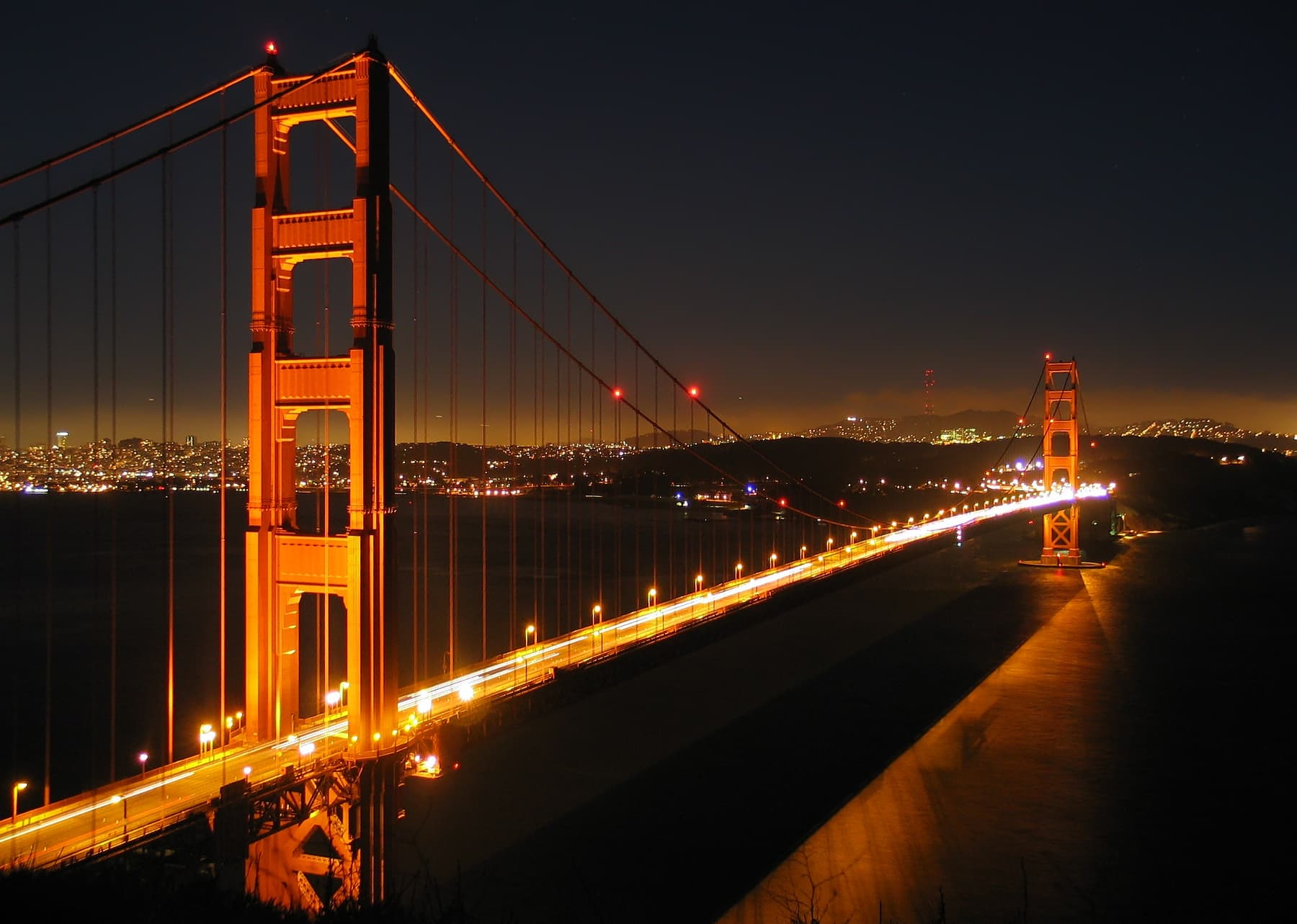
Four nights in Buenos Aires for the city, the food and the tango, then a two-hour flight west for the Mendoza leg: an arrival day in the city, a Uco Valley day and a Luján de Cuyo day before flying on.
 leonardo samrani from rosario, argentina / CC BY 2.0 via Wikimedia Commons
Overview
This trip pairs South America’s great food-and-culture capital with the continent’s signature wine region, and the two are linked by a two-hour domestic flight. Buenos Aires delivers tango, steakhouses, cafe culture and grand European architecture at full intensity; Mendoza answers with high-altitude Malbec, reservation-only vineyard lunches and the wall of the Andes on the horizon. Together they make one of the most complete week-long trips in the hemisphere.
If you only take one thing from this guide: book the wine country before the city. The top Mendoza wineries are effectively reservation-only restaurants with vineyards attached, and the best tables, Zuccardi’s Piedra Infinita Cocina, Casa Vigil, book out weeks ahead while the two-hour flight from Buenos Aires is trivial to move. Fix the lunch reservations first, then build the rest of the week around them.
Best for
Couples · Food and wine lovers · Tango and nightlife · First-time South America · Special occasions
Daily itinerary
7 to 10 days
The famous exchange-rate cheat code is gone. Since Argentina lifted most currency controls in April 2025, the official and parallel rates have converged to within a few percent, and Buenos Aires now prices like a major world city. That changes how you plan: this is no longer a bargain destination with luxury thrown in, it is a full-price trip whose peaks, a Michelin-starred parrilla, a paired lunch above the vines at 1,100 meters, are genuinely world-class and priced accordingly.
Best time to visit
Seasons are reversed from the northern hemisphere. October to December (spring into early summer) and March to April (harvest and autumn) are the two best windows for combining the cities: Buenos Aires is at its most walkable and Mendoza is either green or in full harvest. July and August are mild in Buenos Aires and pruning-season quiet in the vineyards.
- December to February: Buenos Aires summer runs hot and humid, and in January many independent restaurants and shops close or cut hours for the holidays; Mendoza has hot, dry days and the earliest grape picking starts in late February.
- March to April: The single best window for the pair: autumn softens Buenos Aires while Mendoza celebrates the harvest, with the Vendimia festivities culminating in early March.
- May to August: Cool season. Buenos Aires stays lively indoors (and hosts its world tango festival in late August); the vineyards are bare but tastings run year-round and the Andes are snow-capped.
- September to November: Spring: purple jacaranda bloom across Buenos Aires in November, budding vines and green rows in Mendoza, and comfortable walking weather in both.
Things worth knowing
- Tango BA Festival y Mundial (Buenos Aires, late August into early September): the city’s free citywide tango festival and the world championship, across dozens of venues; the 2026 edition runs 20 August to 2 September.
- Fiesta Nacional de la Vendimia (Mendoza, culminating in early March): the national harvest festival, with months of preliminary events across the province and the main spectacle at the Frank Romero Day amphitheatre.
- Jacaranda season (Buenos Aires, November): the city’s avenues and plazas turn purple; not an event, but the prettiest month to walk it.
Where to stay
 Domenico Cervini · Pexels
Palermo (Buenos Aires)
The city’s biggest and most stay-able barrio, really several: Palermo Soho for boutiques, plane-tree streets and brunch, Palermo Hollywood for restaurants and nightlife, and the parks of Palermo for green space. Most of the city’s best independent hotels, and its most famous steakhouse, are here.
Best for: First stays · Food and nightlife · Boutique hotels
It is a 20 to 30 minute taxi or subte ride from the historic center, and the party noise around Plaza Serrano runs late on weekends.
 Lourdes Cardenal · CC BY-SA 4.0 via Wikimedia Commons
Recoleta (Buenos Aires)
The Paris-like quarter of belle-epoque palaces, the famous cemetery, El Ateneo bookshop and the city’s grandest hotels along Avenida Alvear. Stately, safe-feeling and central to the classic sights.
Best for: Grand hotels · Architecture · Classic Buenos Aires
Quieter at night than Palermo or San Telmo; you will taxi out for dinner more often than you walk.
 Walter Medina Foto · Pexels
San Telmo (Buenos Aires)
One of the city’s oldest barrios: cobbled streets, antique shops, a covered 1897 market, tango bars and the Sunday street fair along Defensa. The most atmospheric base for travelers who want history and nightlife over polish.
Best for: Atmosphere · Tango · The Sunday fair
Rougher around the edges than Palermo or Recoleta, with the usual big-city pickpocketing caution in the Sunday crowds.
 Nano Erdozain · Pexels
Mendoza City (Ciudad de Mendoza)
A low-rise, leafy grid of plane trees, irrigation channels and wide plazas rebuilt after the 1861 earthquake, with Plaza Independencia at the center and the Aristides Villanueva bar strip for the evening. The practical base for winery day trips in every direction.
Best for: Winery day trips · Cafes and bars · A walkable base
The city itself has few sights; it is a comfortable staging post, not the destination. The vineyards start 20 minutes to an hour and a half away.
 Elvis Boaventura · CC BY 3.0 via Wikimedia Commons
Luján de Cuyo (Mendoza)
Mendoza’s historic fine-wine district 30 to 45 minutes south of the city, home to old-vine Malbec, Argentina’s first controlled appellation and estate lodges among the vines, with the village of Chacras de Coria as its leafy social hub.
Best for: Sleeping among vines · Classic Malbec estates · Couples
You are committing to drivers and remises for every outing; there is no useful public transport between estates.
 Alex Dos Santos · Pexels
Uco Valley (Valle de Uco, Mendoza)
The high-altitude frontier an hour to an hour and a half south of Mendoza city: vineyards at 1,000 to 1,500 meters against the Andes, the region’s most ambitious architecture and restaurants, and its most dramatic scenery. This is where modern Argentine wine is being defined.
Best for: Serious wine travel · Scenery · A splurge night
Distances are real: wineries are far apart and from Mendoza city a Uco day means 2.5 to 3 hours of driving; staying a night in the valley fixes that.
Where to sleep
Alvear Palace Hotel
luxury · Recoleta, Buenos Aires
Best for: Classic grandeur · Special occasions · Afternoon tea
- A 1932 Recoleta landmark and the city’s most famous grand hotel
- Louis XV-style rooms with butler service
- Steps from Avenida Alvear’s galleries and the cemetery quarter
- The formal style is not for minimalists
- Rates in the many hundreds of dollars put it firmly in splurge territory
- The classic wing’s layout shows its age in places
Palacio Duhau - Park Hyatt Buenos Aires
luxury · Recoleta, Buenos Aires
Best for: Couples · Gardens and calm · Wine lovers
- A restored 1930s palace plus a modern wing joined by terraced gardens
- One of the city’s deepest hotel wine cellars and a serious cheese room
- Indoor pool and spa in the heart of Recoleta
- Split palace-versus-tower layout means room character varies
- Garden-facing rooms book out first
- Among the highest rates in the city
Home Hotel
boutique · Palermo Hollywood, Buenos Aires
Best for: Design lovers · A garden pool · Palermo dining on foot
- A pioneering Palermo Hollywood boutique with a garden and pool
- Walking distance to the neighborhood’s restaurant scene
- Far better value than the Recoleta grandes dames
- Rooms are boutique-sized rather than grand
- A taxi ride from the center and the classic sights
- Weekend nightlife hum reaches some rooms
Park Hyatt Mendoza
luxury · Plaza Independencia, Mendoza City
Best for: A central Mendoza base · First and last nights · Spa and pool
- Behind the restored 19th-century Plaza Hotel facade right on Plaza Independencia
- Walkable to the city’s cafes and the Aristides bar strip
- Pool, spa and a wine-focused restaurant for lazy evenings
- A city hotel: no vineyard views
- The attached casino draws a non-wine crowd
- You still need drivers for every winery visit
Cavas Wine Lodge
romantic · Alto Agrelo, Luján de Cuyo
Best for: Couples · Sleeping in the vines · Honeymoons
- Private villas set in a working Malbec estate with Andes views
- Argentina’s first Relais & Chateaux member (opened 2005)
- Rooftop terraces made for vineyard sunsets
- Isolated by design: every outing needs a driver
- Villa rates are among the region’s highest
- Dinner options beyond the lodge require planning
The Vines Resort & Spa
resort · Vista Flores, Uco Valley
Best for: Serious wine travelers · Uco Valley immersion · Food-and-fire dining
- Villas set among some 1,500 acres of Uco Valley vineyards
- On-site restaurant built around open-fire Argentine cooking
- Puts the valley’s top wineries within short drives instead of day trips
- Remote: Mendoza city is well over an hour away
- Peak-season villa rates rival the world’s big wine regions
- A rental car or arranged drivers are unavoidable
Essential experiences
 Sking · CC BY-SA 3.0 via Wikimedia Commons
Recoleta Cemetery
A city of marble mausoleums where Eva Perón and generations of Argentine presidents and writers are buried. Since 2024 foreign visitors pay an entrance fee (about 16 to 17 US dollars in mid-2026, cards only), which has thinned the crowds without dimming the place.
 Frodar · CC BY-SA 4.0 via Wikimedia Commons
Teatro Colón
One of the world’s great opera houses, opened 1908 and famed for its acoustics. Fifty-minute guided tours run daily from 10:00 to 16:45 (34,000 pesos for non-residents in mid-2026); a performance ticket, even a cheap upper-tier one, is the better way in if the calendar cooperates.
 Vinicius Garcia · Pexels
El Ateneo Grand Splendid
A 1919 theatre converted into a bookshop, with the stage now a cafe and the boxes reading nooks. Free to enter, open daily until late, and worth 45 minutes even if you do not read Spanish.
 Valentina Rodriguez · Pexels
Plaza de Mayo and Casa Rosada
The country’s political stage since 1810: the pink presidential palace, the Cabildo, the Metropolitan Cathedral where Pope Francis was archbishop, and the plaza where Argentine history, from Perón’s balcony speeches to the Madres’ marches, keeps happening.
 Miguel Cuenca · Pexels
Caminito and La Boca
Corrugated-iron conventillos in the colors of leftover ship paint, a tradition of the port’s Genoese immigrants that the painter Benito Quinquela Martín turned into today’s open-air museum in the 1950s, next to Boca Juniors’ stadium. Touristy and worth it anyway; go in daylight and stay within the pedestrian core.
 Andres Alaniz · Pexels
Mercado de San Telmo
The barrio’s 1897 iron-and-glass covered market, now split between old produce stalls and a new generation of food counters. Pair it with the Sunday street fair along Defensa, when stalls and street tango run from Plaza de Mayo to Plaza Dorrego.
 Gediel da Silva · Pexels
MALBA
The Museum of Latin American Art of Buenos Aires: Frida Kahlo, Xul Solar, Berni and a sharp modern collection in a purpose-built Palermo landmark. Compact enough for two hours; closed Tuesdays.
 ArgentinaWineTourism… · CC BY-SA 3.0 via Wikimedia Commons
Catena Zapata
The Mayan-pyramid winery in Agrelo run by the family that put high-altitude Malbec on the world map. Tastings and tours are by reservation only and weekend slots go four to six weeks out; the flagship visits pour the wines that made the argument.
 Valentin Angel Fernandez · Pexels
Bodega Zuccardi Valle de Uco
A concrete cathedral of a winery set against the Andes in Paraje Altamira, repeatedly named the World’s Best Vineyard by the industry ranking of that name (2019 to 2021). Tastings walk the concrete-vat cellar; the Piedra Infinita Cocina lunch is the single experience to build a Mendoza day around.
 Micaela humberto · CC BY-SA 3.0 via Wikimedia Commons
Cerro de la Gloria and Parque General San Martín
Mendoza’s vast 19th-century park climbs to a hilltop monument to San Martín’s Army of the Andes, with the city grid, the vineyards and the mountain wall in one view. An easy taxi up; walk down through the park if the afternoon is cool.
 Luis Argerich from Buenos Aires, Argenti / CC BY 2.0 via Wikimedia Commons
 Adam Jones Adam63 / CC BY-SA 3.0 via Wikimedia Commons
Food & drink
 Maggy López · Pexels
Asado
The Argentine barbecue ritual: slow-grilled beef over embers, from tira de asado ribs to vacío flank. The parrilla is the altar of Argentine eating.
 Uriel Lu · Pexels
Bife de chorizo
The classic thick-cut sirloin of the steakhouse menu, usually shared, always ordered with chimichurri.
 jessica olivella · Pexels
Empanadas
Baked turnovers, every province with its own creed. Mendoza’s are cut with olives; the best come out of wood ovens at wineries and bakeries.
 Horacio Cambeiro · CC BY-SA 4.0 via Wikimedia Commons
Provoleta
A disc of provolone crisped on the grill until molten, finished with oregano and chili. The mandatory opener before any steak.
 Horacio Cambeiro · CC BY 3.0 via Wikimedia Commons
Choripán
Grilled chorizo in a crusty roll with chimichurri: Argentina’s street food, at its best outside stadiums and at roadside parrillas.
 Cibele Bergamim · Pexels
Dulce de leche and alfajores
The national obsession: caramelized milk spread into pastries, ice cream and the shortbread sandwiches called alfajores.
 Turismo Baquía · CC BY-SA 4.0 via Wikimedia Commons
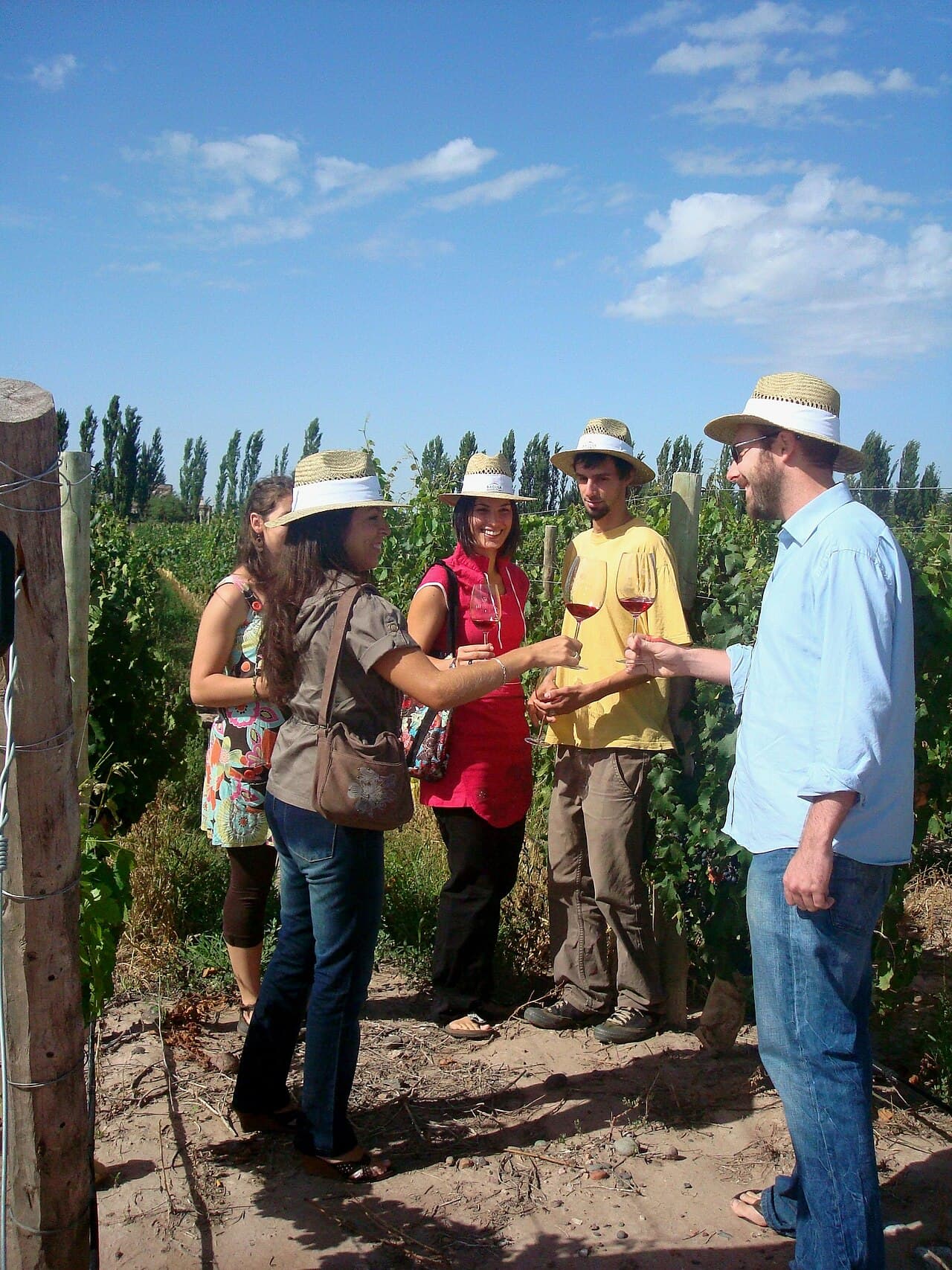
High-altitude Malbec
Argentina’s signature grape at its best between 1,000 and 1,500 meters in Luján de Cuyo and the Uco Valley, tasted where it grows.
Dinner starts late: most restaurants are empty at 20:00 and full at 22:00. Tipping is around 10 percent, ideally left in cash even when paying the bill by card, and many places add a small per-person cubierto (cover) charge. Mate, the shared herbal drink, follows its own etiquette: if someone offers, drink it all and hand it back without stirring the straw.
Where to eat
 Roberto Fiadone · CC BY 4.0 via Wikimedia Commons
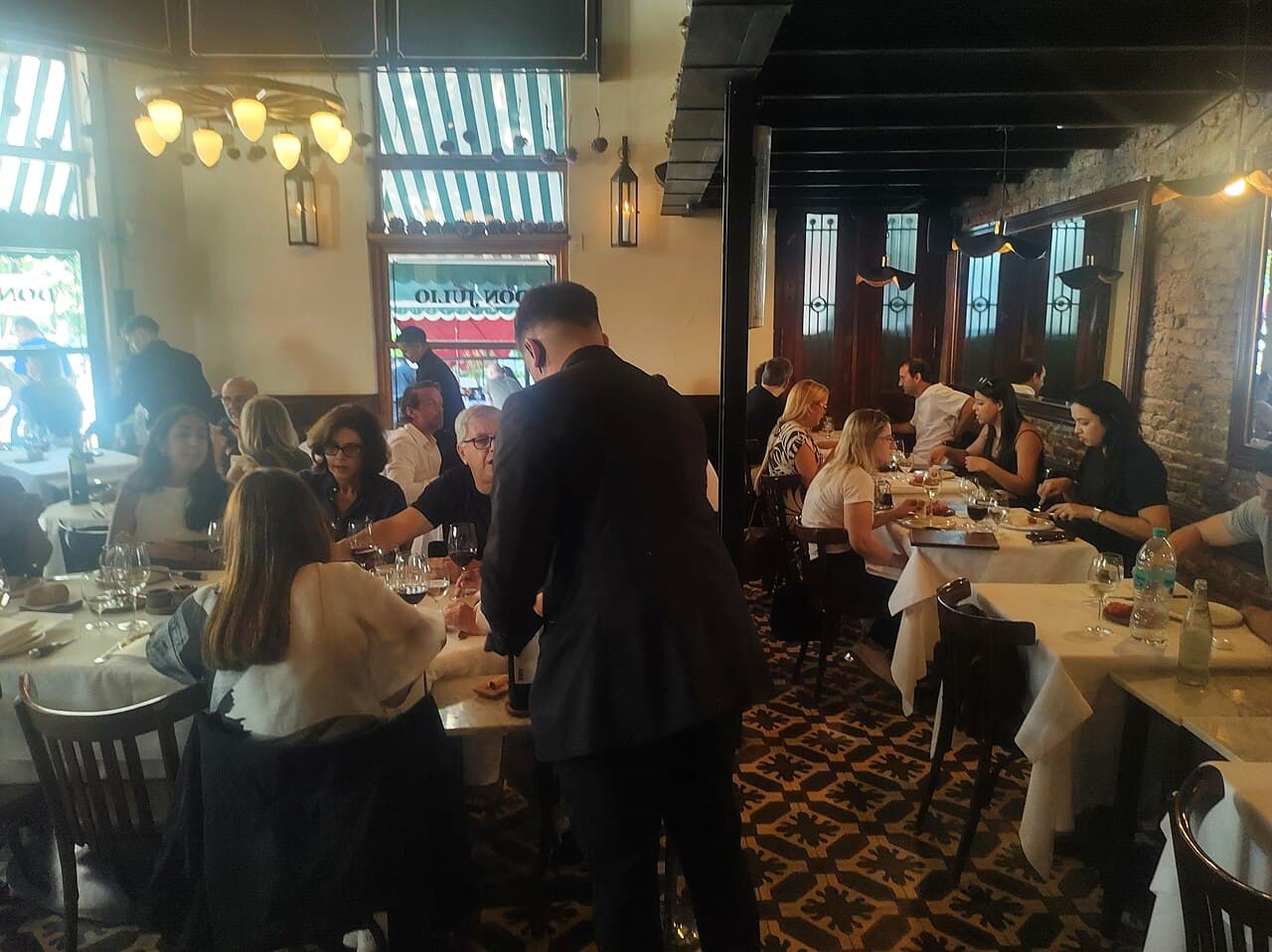
Don Julio
institutionThe Palermo corner parrilla that holds a Michelin star and ranked No. 10 on the World’s 50 Best list in 2025. Book weeks to months ahead, or join the walk-in queue near opening with the sparkling wine and empanadas the house hands out.
Last researched 2026-08-12
El Preferido de Palermo
institutionA century-old pink-corner bodegón revived by the Don Julio team: house charcuterie, milanesas and vermouth. Easier to book than its big sibling and arguably the more porteño meal.
Last researched 2026-08-12
 ProtoplasmaKid · CC BY-SA 4.0 via Wikimedia Commons
Café Tortoni
cafeThe city’s most famous cafe, serving since 1858 under stained glass and marble. There is often a line and the kitchen is ordinary; you go for the room, the churros and the ghosts of Borges and Gardel.
Last researched 2026-08-12
 Horacio Cambeiro · CC BY-SA 4.0 via Wikimedia Commons
Pizzería Güerrín
institutionThe 1932 Corrientes institution for thick fugazzeta and muzzarella eaten standing at the marble counter. The essential stop before or after a Corrientes theatre night.
Last researched 2026-08-12
Piedra Infinita Cocina (Zuccardi)
fine-diningZuccardi’s Michelin-recognized restaurant above the vines: multi-course paired menus of Andean produce with the mountains filling the windows. Lunch daily; book two to three weeks ahead and let it anchor your Uco day.
Last researched 2026-08-12
Casa Vigil (El Enemigo)
fine-diningAlejandro Vigil’s Michelin-starred house-winery in Maipú, its cellar painted with Divine Comedy murals. Tasting menus with El Enemigo wines; lunch Wednesday to Sunday, dinner Friday and Saturday, and tables go fast.
Last researched 2026-08-12
Sunrises
 Roberto Fiadone · CC BY-SA 4.0 via Wikimedia Commons
Reserva Ecológica Costanera Sur
The riverside nature reserve east of Puerto Madero faces the open Río de la Plata, so the sun comes up over water with the city at your back. Runners and birders have the boardwalks to themselves at opening time.
Year-round · The river horizon plus pampas grass makes the cleanest sunrise frame in the city.
 Bormidayanzon · CC BY-SA 4.0 via Wikimedia Commons
A Uco Valley vineyard at first light
Sunrise in the Uco Valley works in reverse: the light comes up behind you and sets the snow line of the Andes glowing pink above the rows. Lodge terraces in Vista Flores and Paraje Altamira are built for exactly this hour.
Year-round · Face the mountains, not the sun: the alpenglow on the Andes is the shot.
Sunsets
 Vant Droneview · Pexels
Palermo lakes and the Rosedal
The rose garden and lakes of Palermo’s parks catch the day’s last light with pedal boats, palms and jacarandas in the frame; in November the purple bloom makes it the city’s prettiest evening walk.
Year-round · An easy walk from Palermo hotels; the park stays busy and safe until dark.
 Mariano Di Luch · Pexels
Puente de la Mujer, Puerto Madero
Calatrava’s white pedestrian bridge over the old docks reflects the sunset in still water, with the skyline lighting up behind it. Pair it with a dockside dinner along the renovated warehouses.
Year-round · Blue hour is better than sunset itself: the bridge is lit and the water goes glassy.
 Andrea Hinojosa · Pexels
Cerro de la Gloria, Mendoza
The monument hill in Parque General San Martín looks west toward the precordillera, and on clear evenings the whole mountain wall silhouettes as the city lights come on below.
Year-round · Take a taxi up for sunset; the park roads are dark after nightfall.
Day trips
 Rafael Rodrigues · Pexels
Tigre and the Paraná Delta
An hour north of Buenos Aires, the delta suburbs dissolve into brown-water channels, stilt houses and rowing clubs. Ride the Mitre line from Retiro, browse the Puerto de Frutos market and take a commuter launch or one-hour cruise from the Estación Fluvial.
About 1 hour by train from Retiro (Mitre line) · Half to full day
 Ezequiel Barroso · Pexels
Colonia del Sacramento, Uruguay
A UNESCO-listed Portuguese-Spanish colonial town directly across the Río de la Plata, all cobblestones, sycamores and a climbable lighthouse. Fast ferries cross in about an hour and a quarter, making a second country a realistic day trip; bring your passport.
About 1 hour 15 minutes by fast ferry from Puerto Madero · Full day
 Banfield · Public domain via Wikimedia Commons
San Antonio de Areco
The gaucho capital of the pampas, two hours northwest of the city: a preserved 1730s town of silversmiths, pulperías and estancias where the cult of the horse is daily life, not a show. Add a day-visit or asado lunch at a working estancia.
About 2 hours by car or bus from Buenos Aires · Full day
 Alex Dos Santos · Pexels
The high mountain road to Aconcagua
From Mendoza, Ruta 7 climbs the Andes past the Potrerillos reservoir, the adobe village of Uspallata and the mineral arch of Puente del Inca to the Horcones lagoon viewpoint facing Aconcagua, at about 6,960 meters the highest peak in the Americas. A long, spectacular day; go with a tour or hired driver.
Full-day circuit of roughly 360 km round trip from Mendoza · Full day
After dark
 Jorge Royan · CC BY-SA 3.0 via Wikimedia Commons
A milonga night
cultureSkip the dinner-show at least once for a real milonga, the social dance halls where porteños actually tango. Classics like Salón Canning and La Viruta in Palermo run beginner classes before the floor opens, so you can join rather than just watch.
 Nicolás Enriquez · Pexels
Avenida Corrientes theatre and pizza
foodThe city’s Broadway: catch a show or just walk the neon strip, then eat fugazzeta standing at Güerrín’s counter among the after-theatre crowd.
 Mariana La Regina · Pexels
Aristides Villanueva bar crawl, Mendoza
nightlifeMendoza’s main bar strip fills from 22:00 with wine bars, craft beer and sidewalk tables; the low-rise, tree-lined version of Argentine nightlife.
 Dennis G. Jarvis · CC BY-SA 2.0 via Wikimedia Commons
A tango dinner show
cultureThe polished, choreographed side of tango, with dinner and orchestra. Touristy by definition and still stirring when done well; San Telmo and Abasto host the big productions.
Daily itinerary
Seven days: Buenos Aires and Mendoza
Four nights in Buenos Aires without a car, a two-hour flight, then two Mendoza nights with pre-booked winery days: one for the Uco Valley, one for Luján de Cuyo and Maipú. Add a night if you want the valley at leisure.
- 1
Recoleta and first steak
relaxedArrive, drop bags, and walk Recoleta: the cemetery (cards only at the gate) and the belle-epoque streets.A cafe lunch near Avenida Alvear.El Ateneo Grand Splendid, then rest off the flight.Golden hour in the Palermo parks.First parrilla dinner in Palermo (if Don Julio never confirmed, El Preferido is the move).Early night or a wine bar in Palermo Soho.Taxis or subte; no car at any point in Buenos Aires.Estimate: Swap the parks for MALBA if the weather turns (closed Tuesdays).
- 2
The historic center
moderatePlaza de Mayo, Casa Rosada and the Cathedral, then Avenida de Mayo to Café Tortoni.Pizza at Güerrín on Corrientes.Teatro Colón guided tour (or better, hold tickets for tonight’s performance).Puente de la Mujer over the Puerto Madero docks.Dockside in Puerto Madero or back in San Telmo.A show at the Colón or a Corrientes theatre night.The center is walkable; subte Line D returns you to Palermo or Recoleta.Estimate: Book the Colón tour ahead in high season.
- 3
San Telmo and La Boca
moderateSan Telmo: the covered market, Plaza Dorrego and the antique shops (on Sunday, the full Defensa street fair).A market counter or bodegón in San Telmo.Taxi to Caminito in La Boca for the painted streets; return before dusk.Costanera Sur boardwalk by the reserve.The booked Don Julio table, ideally tonight.A milonga in Palermo: class first, then watch the floor fill.Taxi to and from La Boca; stay within the Caminito pedestrian core.Estimate: On a non-Sunday, MALBA fills the morning instead of the fair (closed Tuesdays).
- 4
Day trip: delta or Uruguay
moderateEither the Mitre train to Tigre for a delta cruise, or the early Buquebus ferry to Colonia del Sacramento (passport required).Riverfront in Tigre or the Barrio Histórico in Colonia.Boat channels and Puerto de Frutos, or Colonia’s lighthouse and lanes.On the water, or from Colonia’s rambla before the return ferry.Casual, back in the city.Pack for the flight; last drinks in Palermo.Tigre is a spontaneous SUBE-card trip; Colonia needs booked ferries and a passport.Estimate: San Antonio de Areco for gaucho country instead of either.
- 5
Fly west to Mendoza
relaxedMorning flight from Aeroparque (AEP) to Mendoza, about 2 hours; transfer to the city.Sidewalk lunch near Plaza Independencia.Walk the plazas and canals of the post-earthquake grid; coffee on Aristides.Cerro de la Gloria in Parque General San Martín for the Andes panorama.A Mendoza parrilla with a Luján Malbec list.Aristides Villanueva bar strip.Fly from AEP, not Ezeiza; taxis cover the compact city center.Estimate: A late-day city wine bar tasting if the flight lands after noon.
- 6
The Uco Valley day
moderateDriver south to the Uco Valley (1 to 1.5 hours): a morning tasting in Gualtallary or Vista Flores.The pre-booked paired lunch at Piedra Infinita Cocina at Zuccardi, the day’s centerpiece.One more estate visit or the winery’s cellar tour; no one hurries here.Vineyard terraces at golden hour with the Andes going pink.Light, late and local back in Mendoza, or dinner at your Uco lodge.An early night; altitude and wine add up.A hired driver or tour for the whole day; distances between Uco estates are long.Estimate: Sleeping in the valley (The Vines, or a Vista Flores lodge) removes 3 hours of driving.
- 7
Luján de Cuyo, Maipú and out
moderateA reserved tasting at Catena Zapata in Agrelo, the estate that made the altitude argument.The Michelin-starred lunch at Casa Vigil in Maipú (book weeks ahead).Return to the city, collect bags and fly out, or start the Andes crossing or Patagonia leg.From the airport, or one last plaza cafe.Onward travel.Departure.Same-day tastings plus a flight work if the driver holds the schedule; leave 2 hours of buffer.Estimate: Casa Vigil serves lunch Wednesday to Sunday; on a Monday or Tuesday book an Agrelo estate lunch instead.
Getting around
- Ezeiza (EZE), 35 km southwest of the center, handles nearly all international long-haul flights; the ride into town takes 45 minutes to an hour by official taxi, remise or app car.
- Aeroparque (AEP), the city airport on the river 15 minutes from Palermo, handles domestic flights and short-hop regional routes: this is where the Mendoza flight leaves from, so allow for the cross-town transfer if connecting.
- Buenos Aires to Mendoza is about 2 hours nonstop with Aerolíneas Argentinas, Flybondi or JetSMART; the overnight bus alternative takes 13 to 15 hours in reclining seats.
- The subte (metro) and city buses cover Buenos Aires cheaply; since December 2024 every subte turnstile also takes contactless international Visa and Mastercard, so you can ride without hunting down a SUBE card (buses still want SUBE).
- Taxis and app cars (Uber, Cabify, DiDi) are plentiful and, by world-city standards, moderately priced; use apps or radio taxis at night.
- In Mendoza, book winery drivers, tours or remises for tasting days. Argentina passed a national zero-alcohol driving law in 2023, but Mendoza kept its own 0.5 g/l limit for private drivers; either way a tasting day exceeds it, and rural rideshare coverage is thin.
Things worth knowing
- · Flying into Ezeiza and booking the Mendoza flight out of Ezeiza too: domestic flights overwhelmingly use Aeroparque, on the other side of the city.
- · Renting a car for a Mendoza tasting day: the drink-driving limits mean someone cannot taste, and the good estates are too far apart for casual hopping anyway.
- · Turning up at top wineries or Don Julio without a reservation; the best of this trip is booked weeks ahead.
- · Hunting for a "blue dollar" premium that no longer meaningfully exists: since the 2025 float, paying by card in pesos is the simple, safe play.
- · Dining at 19:30 and concluding the city has no food scene: everything worth eating fills after 21:30.
- · Treating Maipú’s bike-and-winery circuit as the region’s flagship; it is a fun budget day, but the Uco Valley is the main event.
Budget
| Low | Expected | Comfortable | |
|---|---|---|---|
| Accommodation style / per night | $60 | $190 | $550 |
| Food style / per day | $30 | $80 | $220 |
| Local transport / per day | $3 | $15 | $45 |
| Estimate / per day | $5 | $35 | $100 |
Estimate · USD · 2026-08-12. Priced in US dollars because peso figures date fast, and paying by card at the market rate is now the norm. Argentina is no longer the bargain of the control years: expect Buenos Aires restaurant and hotel prices within sight of US cities. The wine country is the budget wildcard: seated tastings run 20 to 60 dollars and the flagship paired lunches 100 to 200 plus per person, worth every peso and worth budgeting deliberately. Winery visits usually credit part of the fee against bottle purchases.
Things worth knowing
Frequently asked questions
How many days do you need for Buenos Aires and Mendoza?
Seven full days works as a minimum: four nights in Buenos Aires, then two or three in Mendoza, linked by a two-hour flight. With ten days you can add an Uco Valley overnight, an estancia day or the start of a Patagonia or Iguazú leg.
Is Argentina still cheap for tourists in 2026?
No, and planning around that is the point. Since most currency restrictions were lifted in April 2025 the exchange-rate gap has all but closed, and dollar prices for hotels and restaurants sit within sight of US and European cities. The quality at the top, steak, wine, culture, still over-delivers for the price.
How do you get from Buenos Aires to Mendoza?
Fly: about 2 hours nonstop from Aeroparque, the city airport, with Aerolíneas Argentinas, Flybondi or JetSMART. The overnight bus is a 13-to-15-hour classic for the committed. There is no practical passenger train.
Do you need a car for this trip?
No in Buenos Aires, where the subte now takes contactless bank cards and taxis are everywhere. In Mendoza, hire drivers or join tours for winery days: drink-driving limits (0.5 g/l in the province, zero on much of the national network) and the distances between estates settle the question.
When is the best time to visit Buenos Aires and Mendoza?
October to December for spring and jacarandas; early March for the Vendimia festival and the harvest; late March to April for harvest-season energy and autumn vineyard colors. July and August are mild, quiet and fine, with Buenos Aires hosting its world tango festival in late August.
Which is better for wine: Luján de Cuyo, Maipú or the Uco Valley?
All three in one trip, ideally: Luján de Cuyo for the historic old-vine Malbec estates, Maipú for closer, easier visits (and Casa Vigil), and the high-altitude Uco Valley, an hour-plus south, for the dramatic modern estates and the region’s definitive lunches.
Can you visit Uruguay as a day trip from Buenos Aires?
Yes. Fast ferries reach the UNESCO-listed colonial town of Colonia del Sacramento in about an hour and a quarter. Book the ferry ahead and bring your passport; it is a border crossing, however easy it feels.
Do wineries in Mendoza take walk-ins?
Mostly no. The established estates run reservation-only tastings and lunches, and the famous ones, Catena Zapata, Zuccardi, Casa Vigil, fill weeks ahead in season. Book the wineries before the flights and build the days around them.
Is Buenos Aires safe for tourists?
Broadly yes, with big-city rules. The characteristic tourist crime is phone snatching, so keep phones put away on the street and off cafe tables, avoid deserted streets late, use radio taxis or apps at night, and visit La Boca in daylight within the Caminito area.
Sources (9)
- Buenos Aires attractions, neighborhoods and events overview · tourism-board · 2026-08-12
- Mendoza province tourism, Vendimia festival and high mountain route · tourism-board · 2026-08-12
- Teatro Colón guided tour schedule and prices · official · 2026-08-12
- Recoleta Cemetery entrance fee for foreign visitors · reputable-local · 2026-08-12
- Currency controls lifted April 2025; official and parallel rates converged · independent-travel · 2026-08-12
- Subte contactless bank-card payment at all stations · reputable-local · 2026-08-12
- Don Julio ranking and reservation reality · independent-travel · 2026-08-12
- Zuccardi Valle de Uco visits and Piedra Infinita Cocina · official · 2026-08-12
- Tango BA Festival y Mundial dates and format · tourism-board · 2026-08-12